
 EN
EN

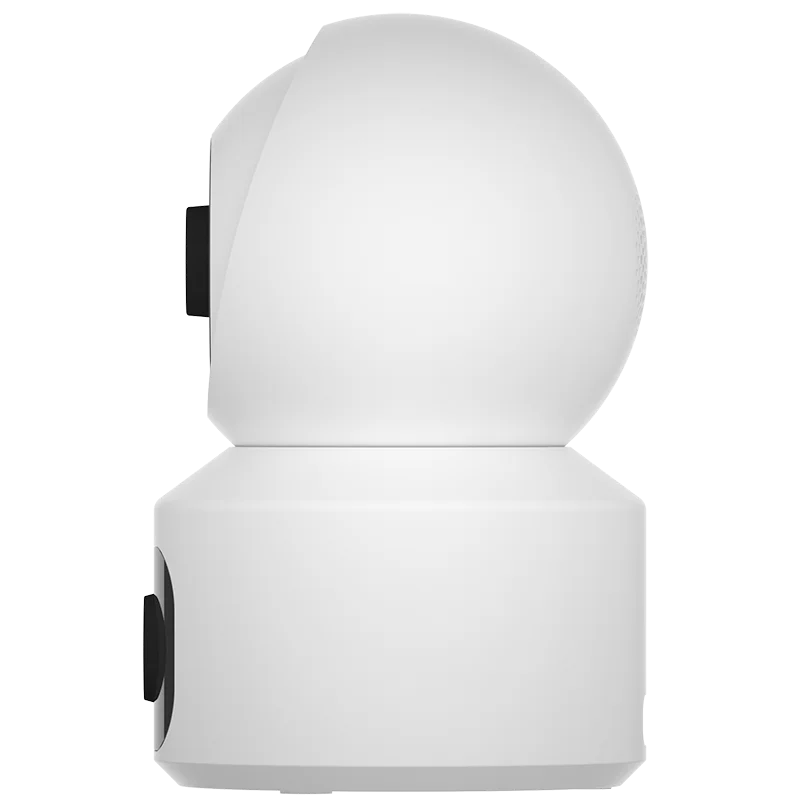
V380 BQ2 Indoor Dual Lens Wifi PTZ Camera offers 4MP resolution, night vision up to 15m, and 128GB storage. Features motion detection, humanoid alarm, H.265 video format. Trusted by security professionals.
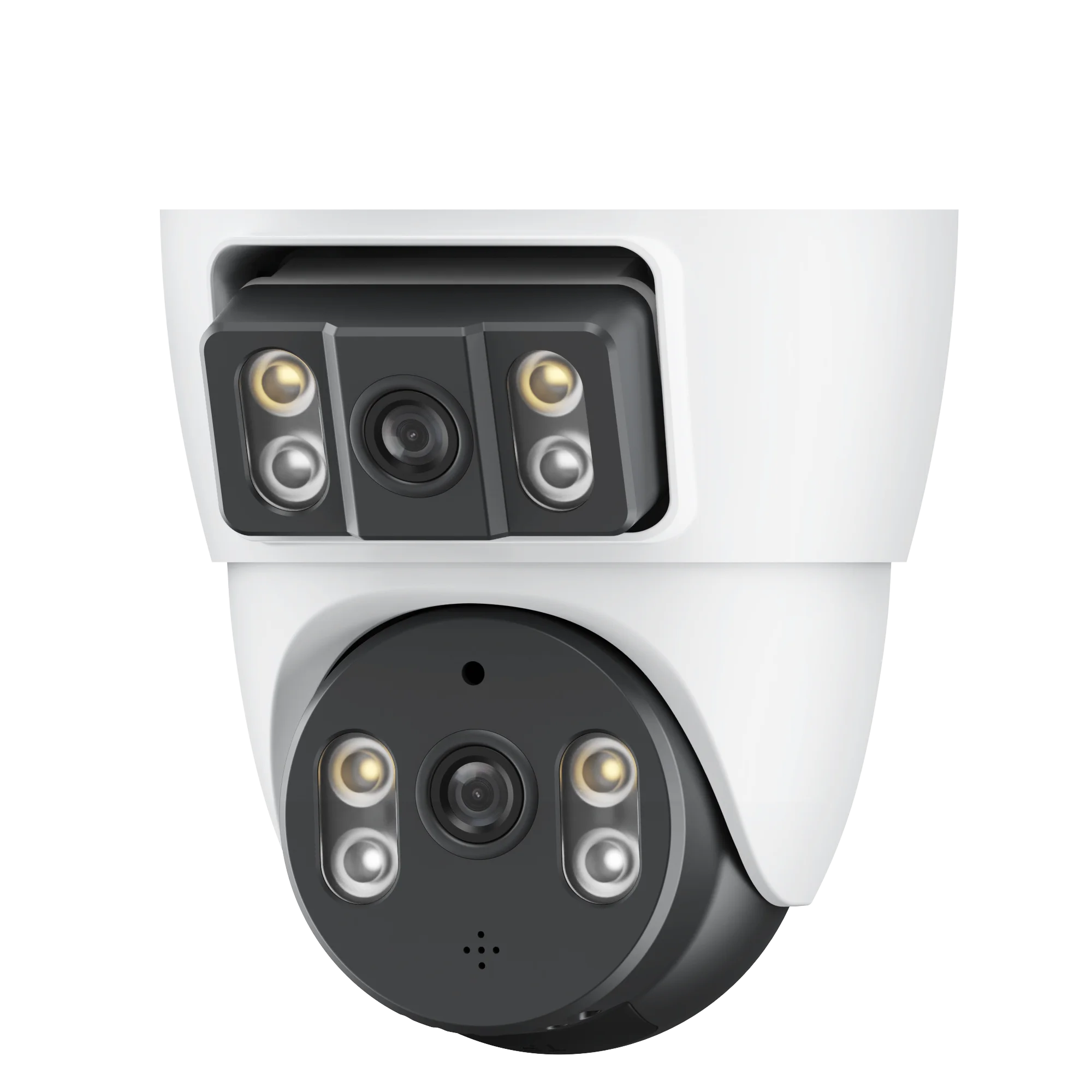
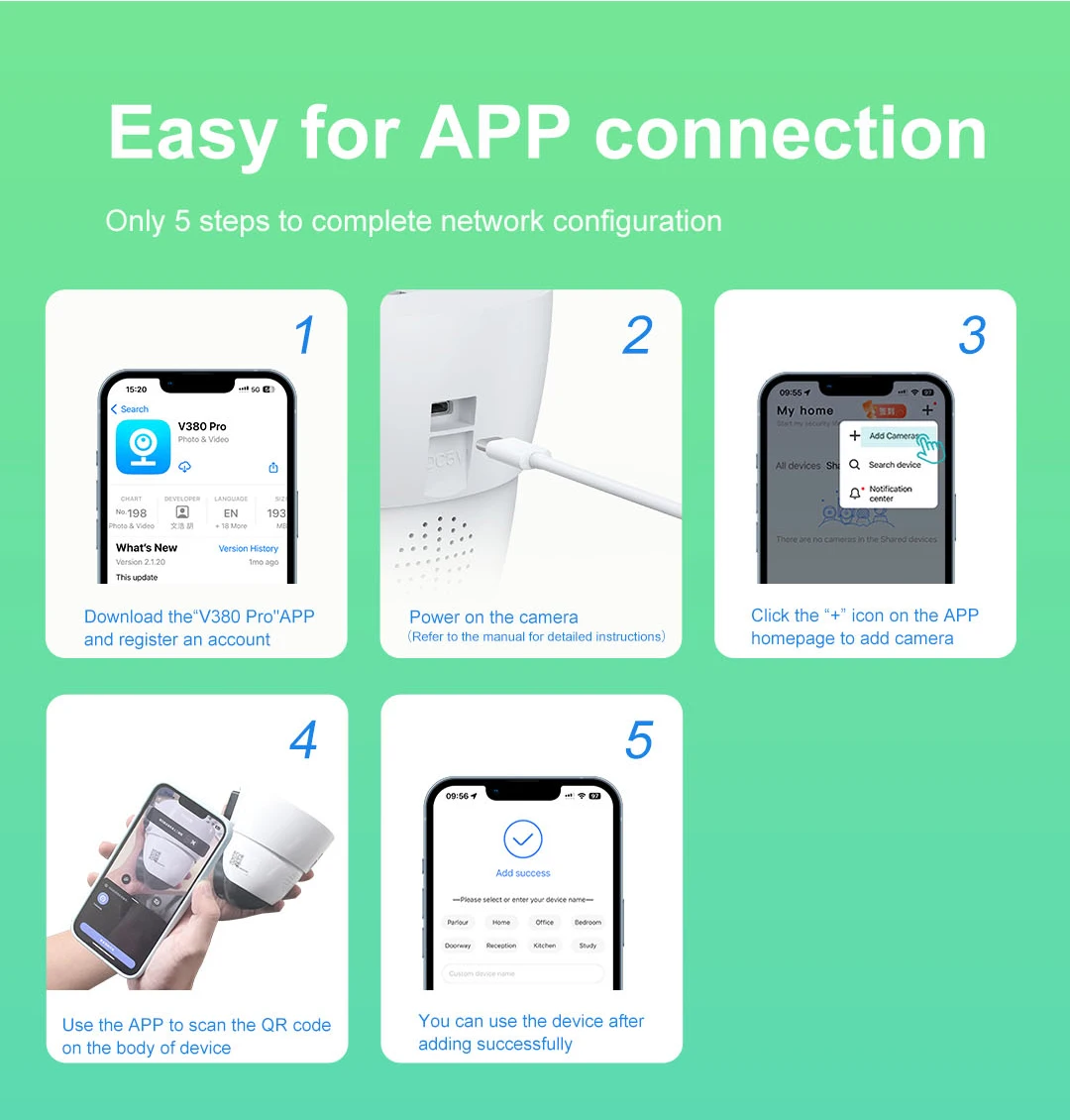
V380MAX BQ3 Indoor Camera offers 4MP resolution, dual lens, and 360-degree PTZ for shops & rooms. Features 2-way audio, motion detection, and DC 5V power. Trusted by businesses globally.
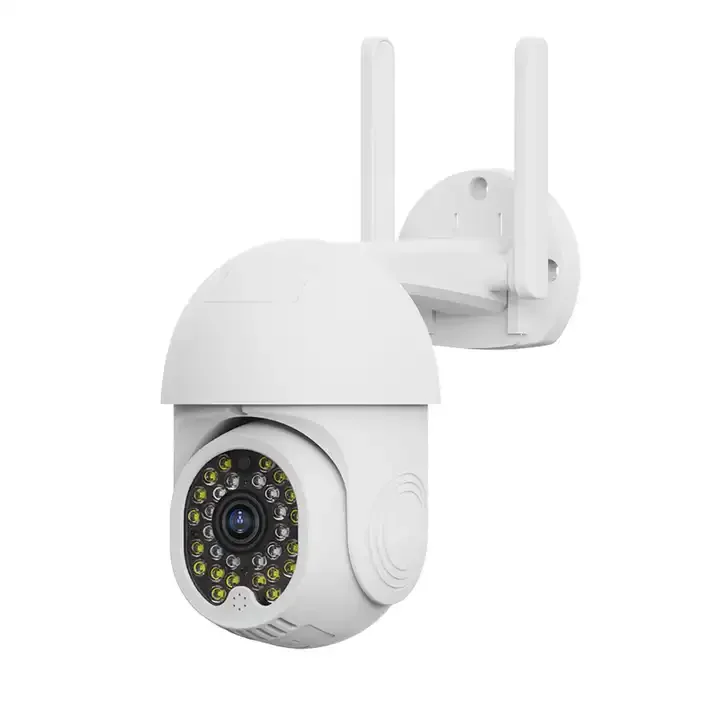
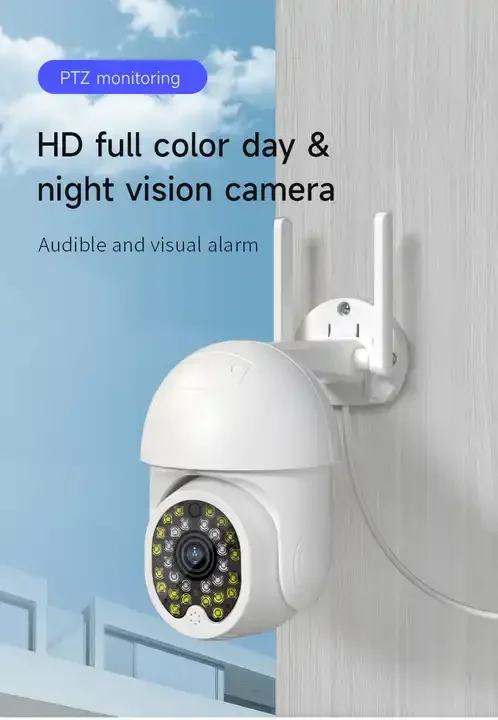
V380 P12 PTZ Camera offers 3MP resolution, 355° horizontal and 100° vertical rotation. Features night vision up to 10m, motion detection, and real-time audio communication. Ideal for industrial and commercial security. Request ...
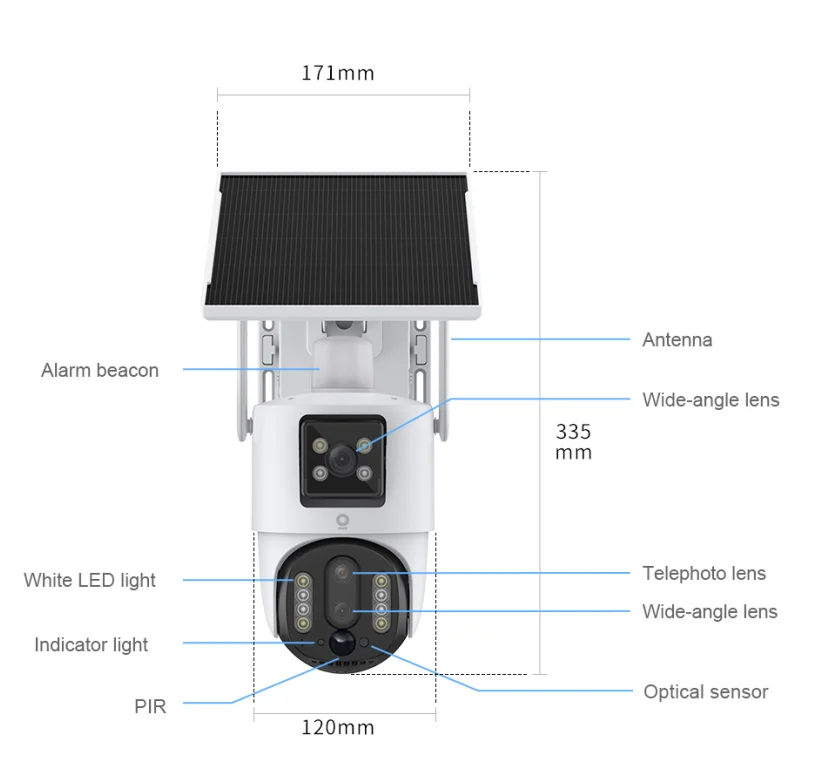
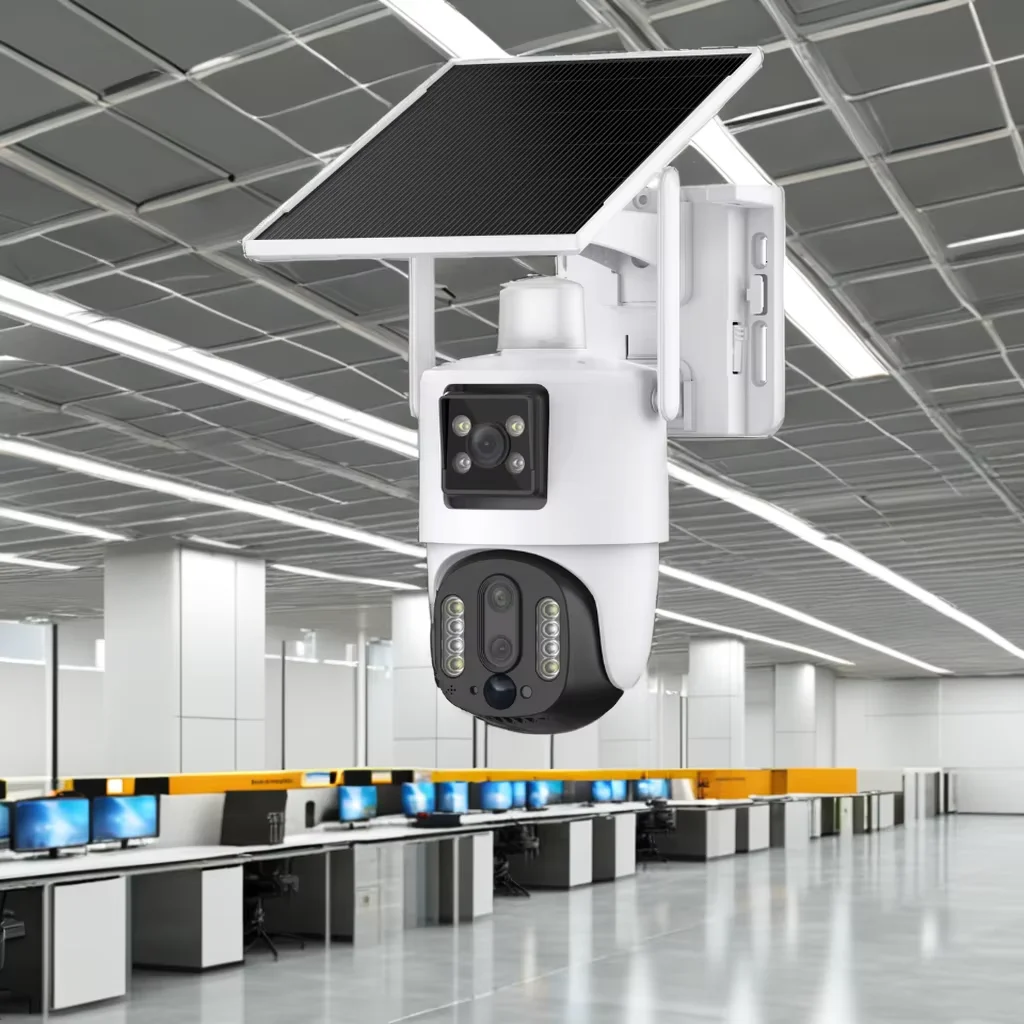
V380 Bullet Style Camera offers 4MP resolution, triple lens, 10x hybrid zoom, and IP65 waterproof design. Equipped with solar power, 4G LTE connectivity, and PIR motion detection for reliable surveillance. Trusted by businesses...
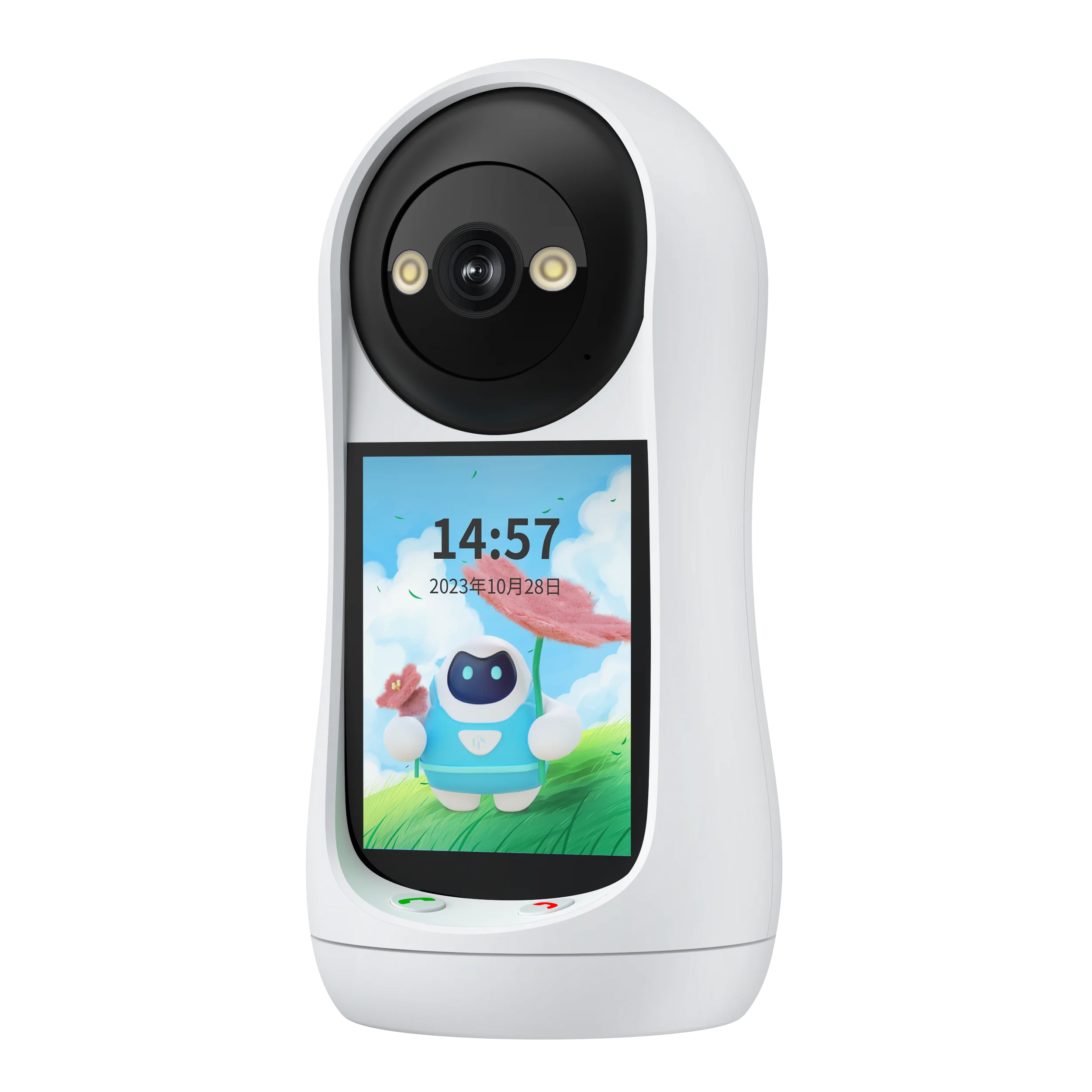
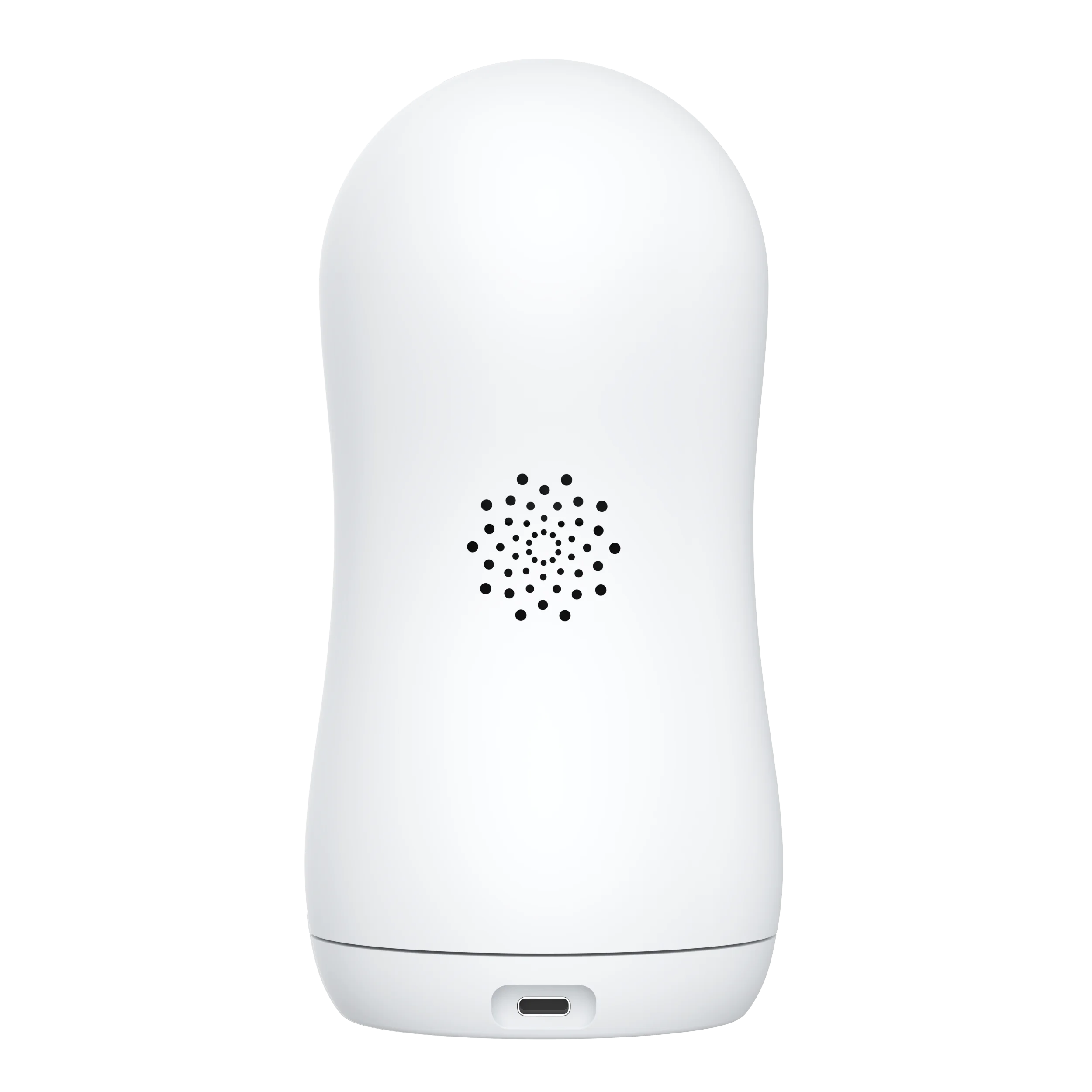
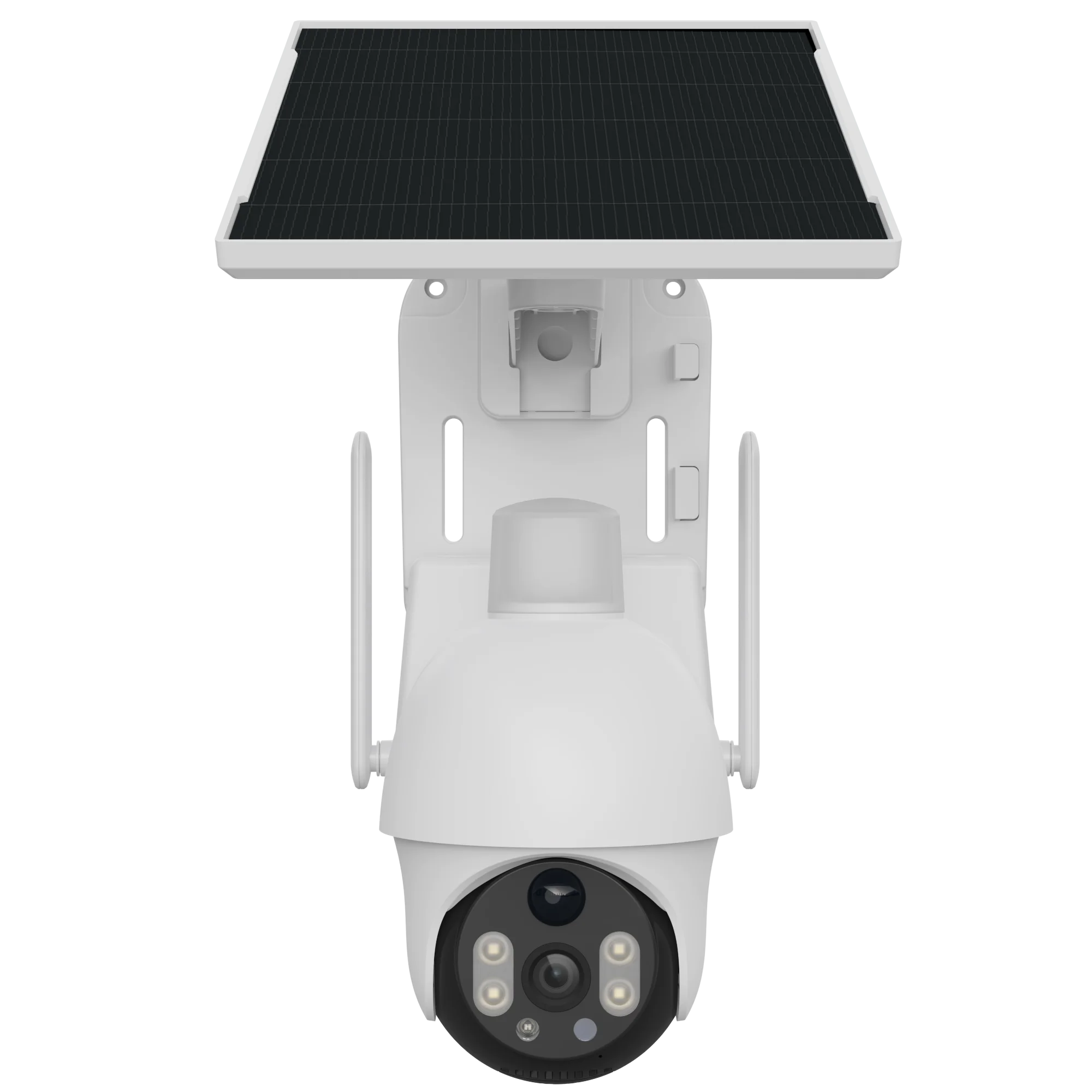
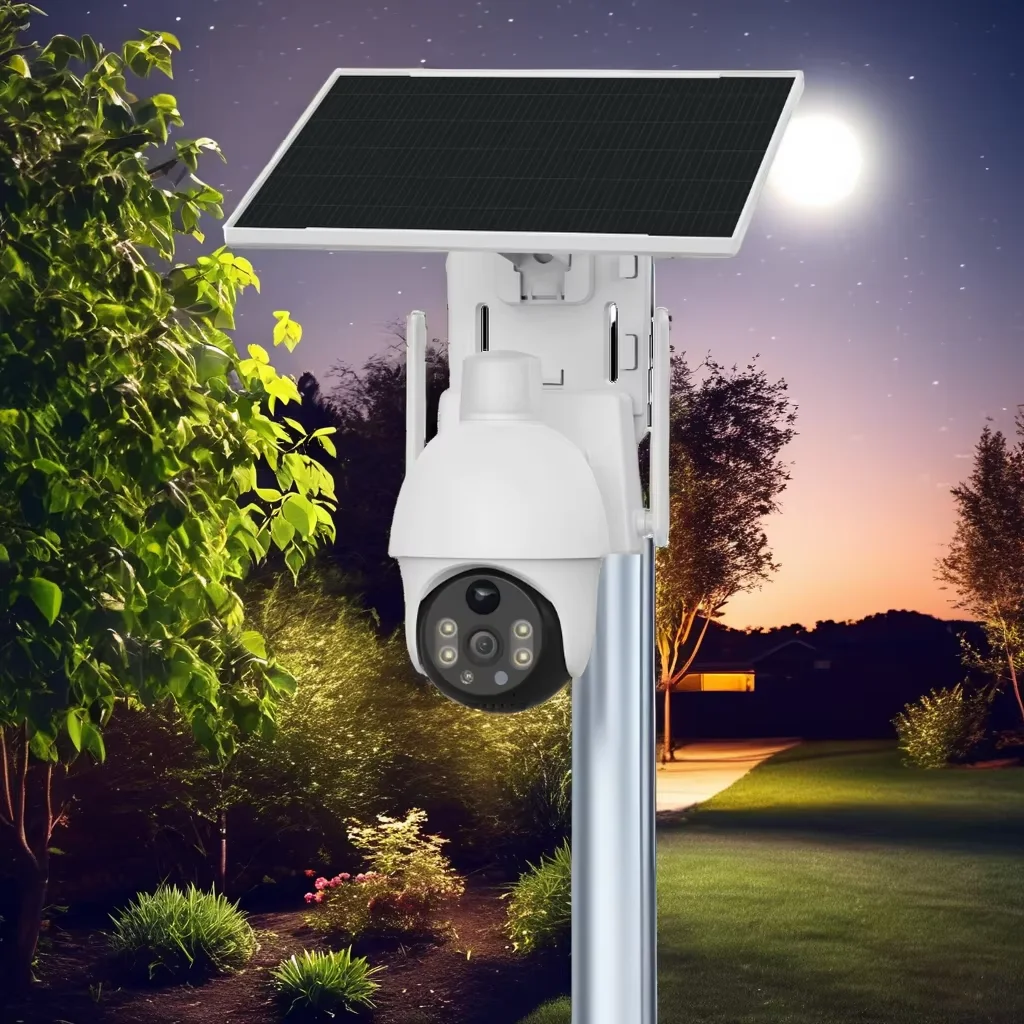
P15M security camera offers 2MP blacklight video, 4G LTE connectivity, and IP65 protection. Achieve up to 180 days of battery life with an 8000mAh pack. Ideal for remote monitoring. Request a demo today.
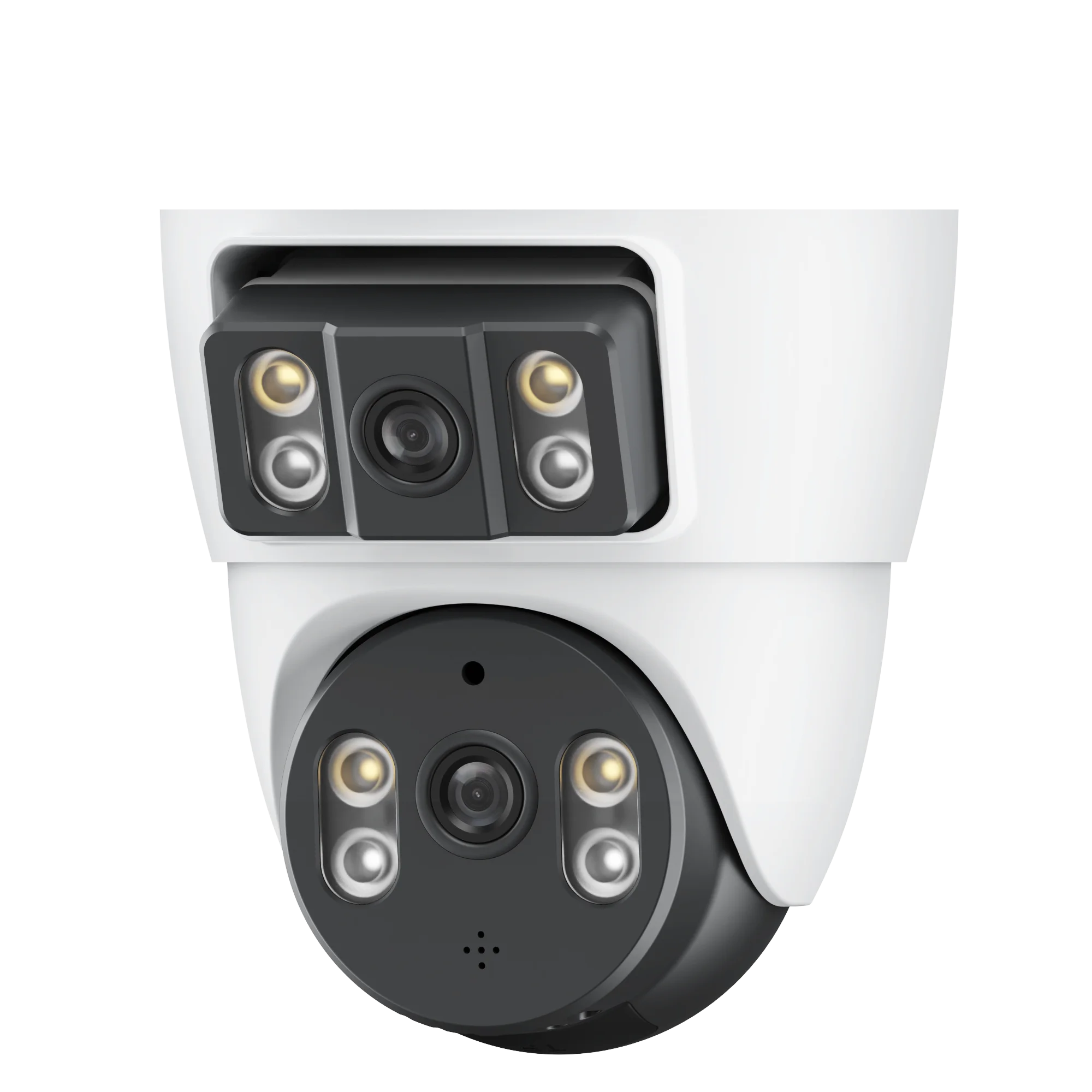
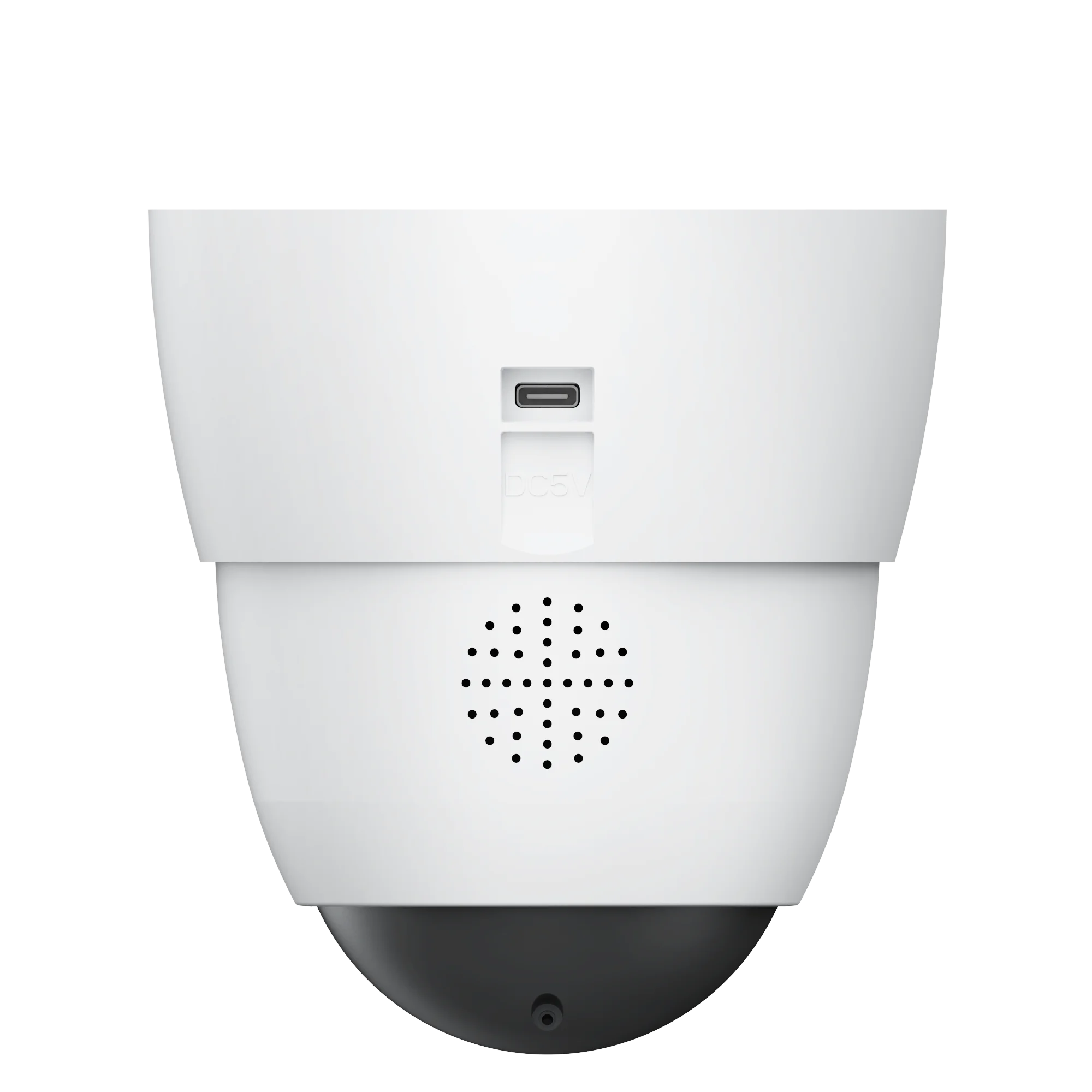
The Private Model BQ3 4MP dome camera offers dual-view, 360-degree coverage with Wi-Fi connectivity. Proven to reduce theft by 30% and trusted by 2,000+ retailers. Request a demo today.
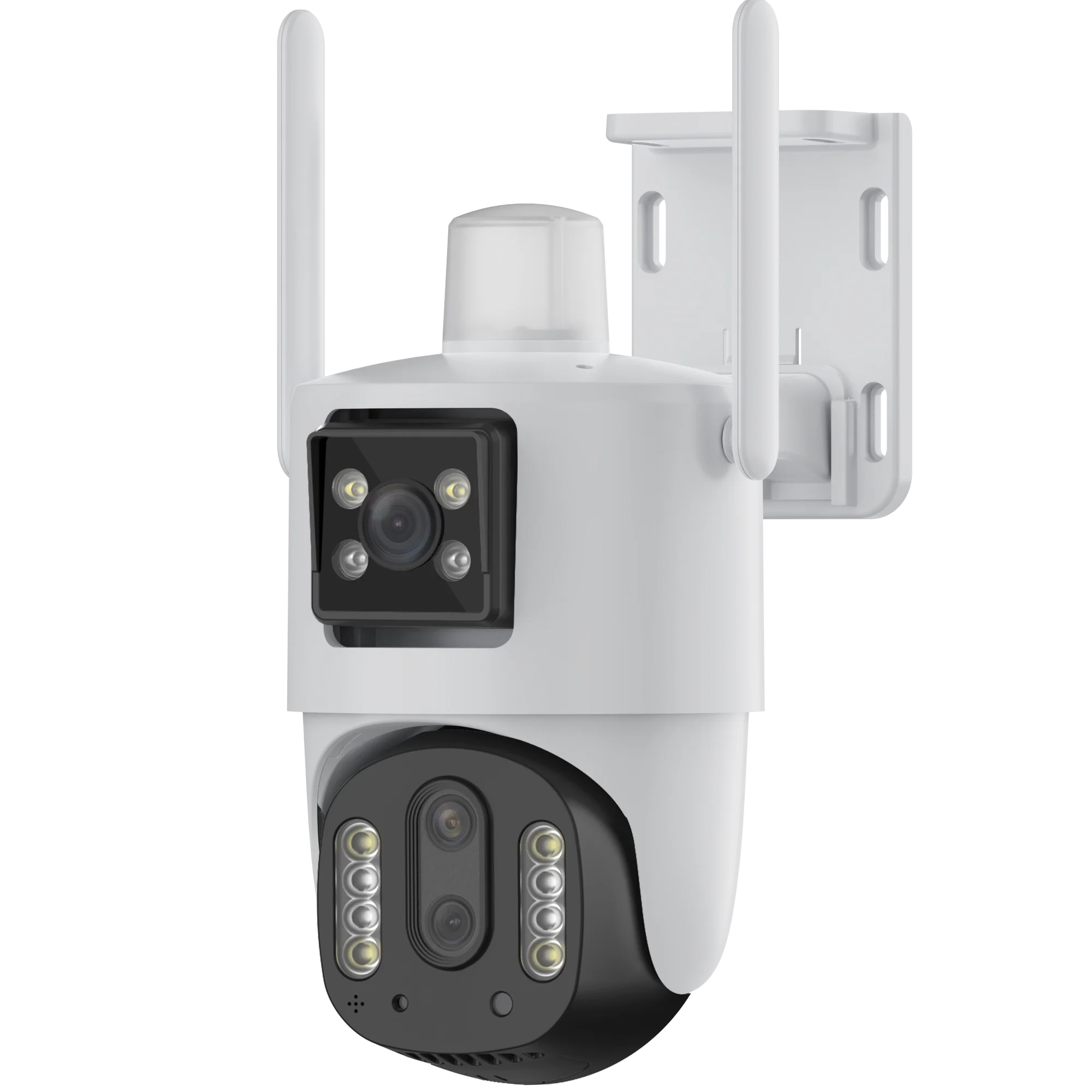
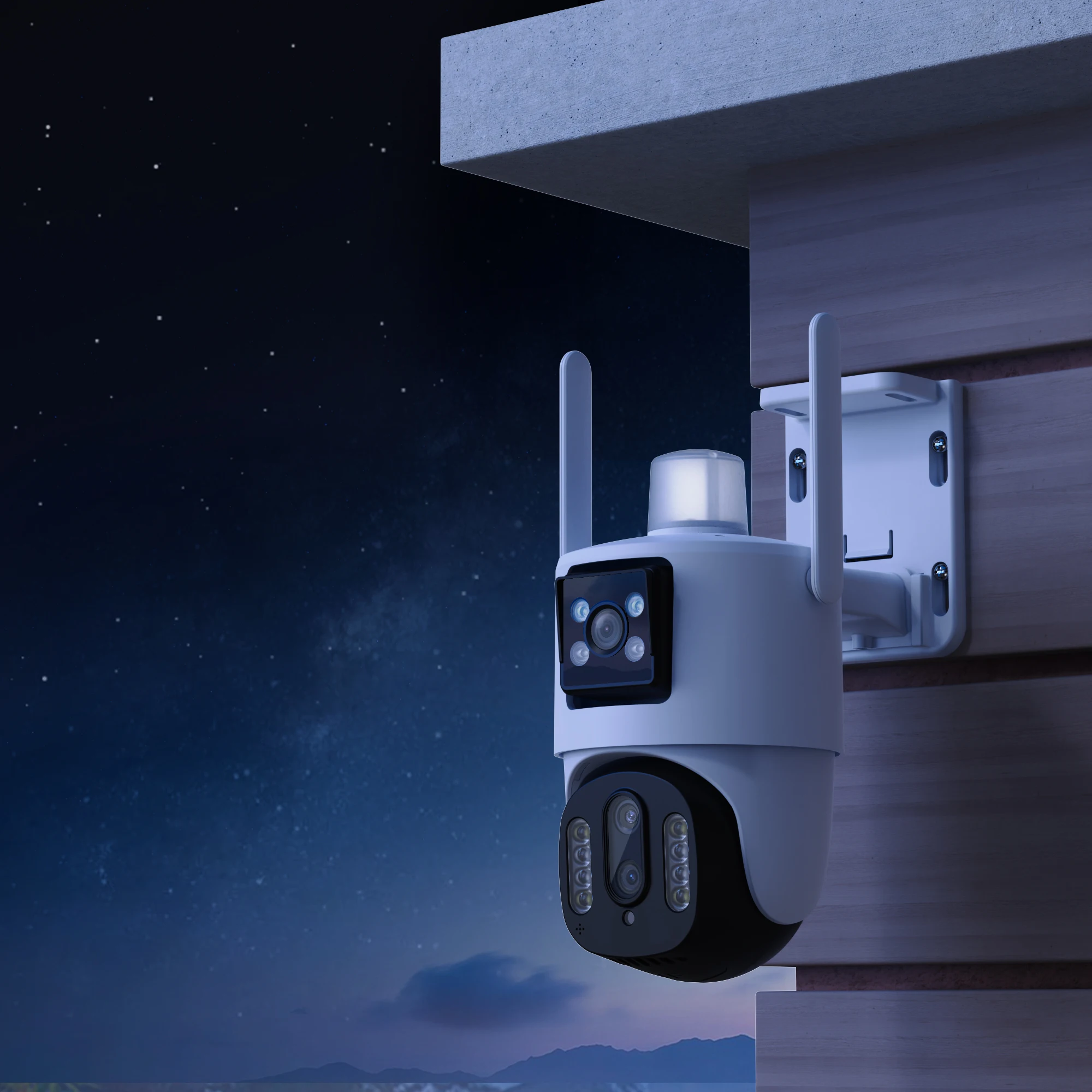
V380 Pro 4G camera offers 10X hybrid zoom, H.265 codec for efficiency, and IP65 weatherproofing. With dual view and AI human detection, it ensures advanced security. Trusted by global enterprises.
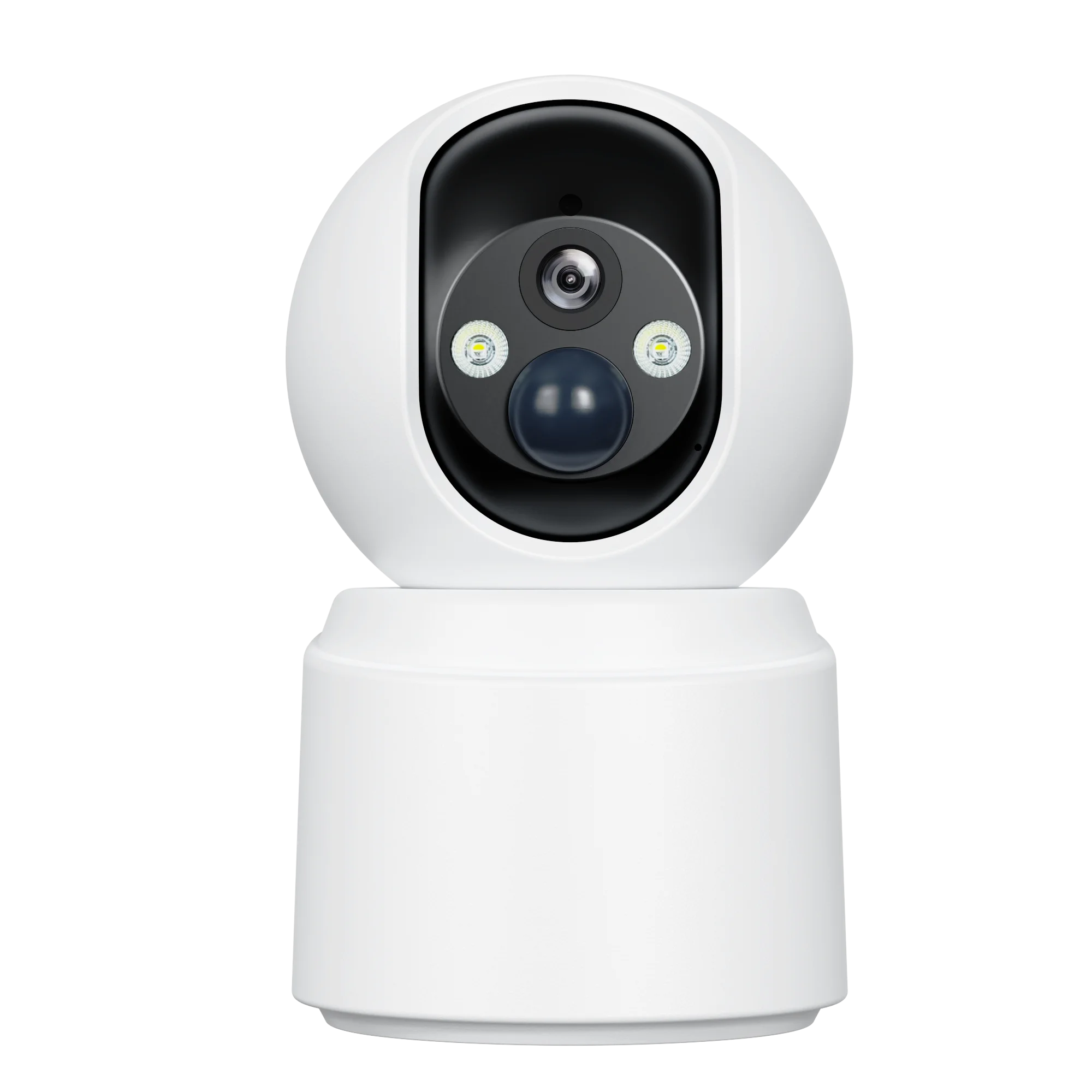
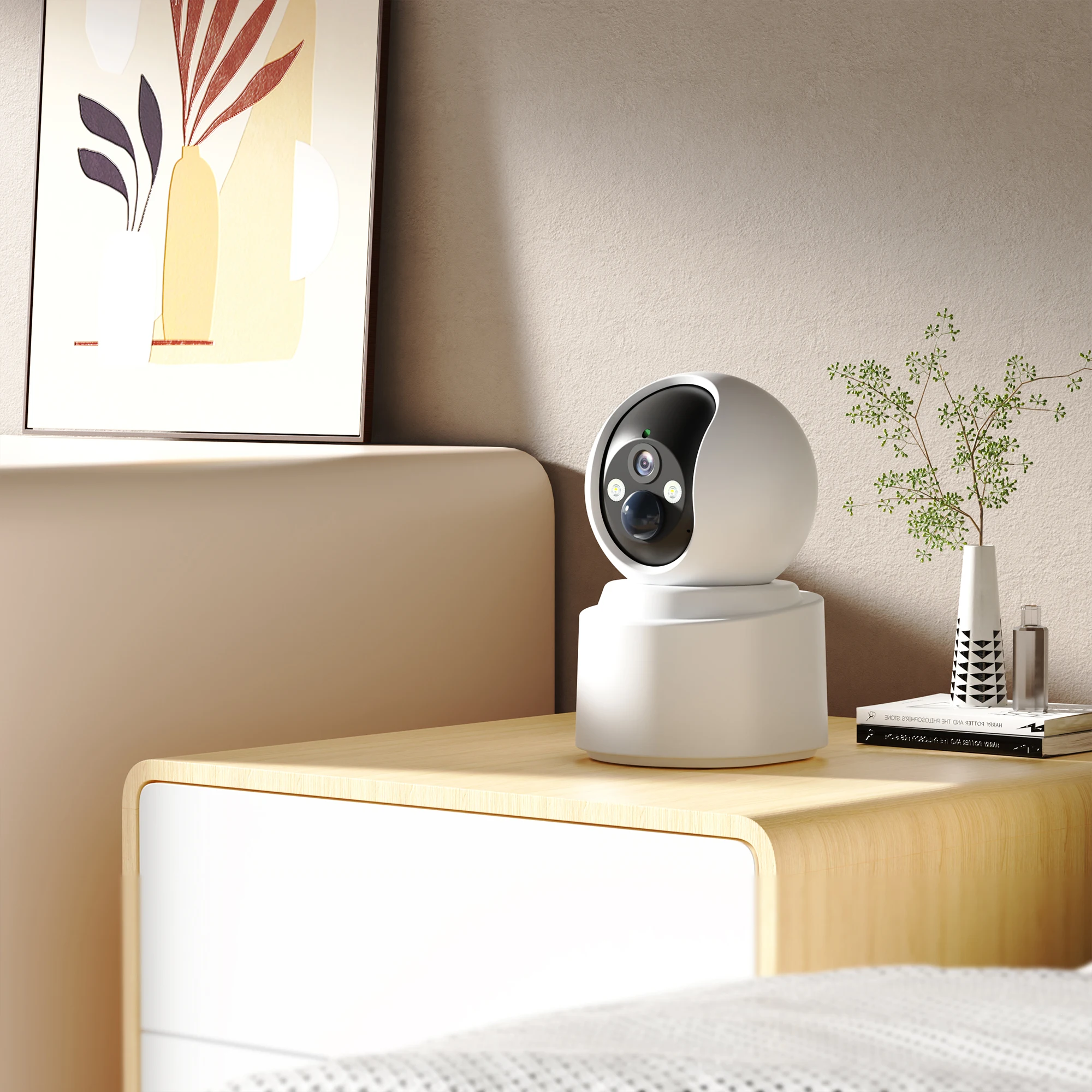
V380 Pro indoor security camera with 2K resolution, 4G connectivity, and PIR motion detection. Offers 355° pan, 90° tilt, H.265 encoding, and 6000mAh battery for extended operation. Trusted by businesses globally. Request demo ...
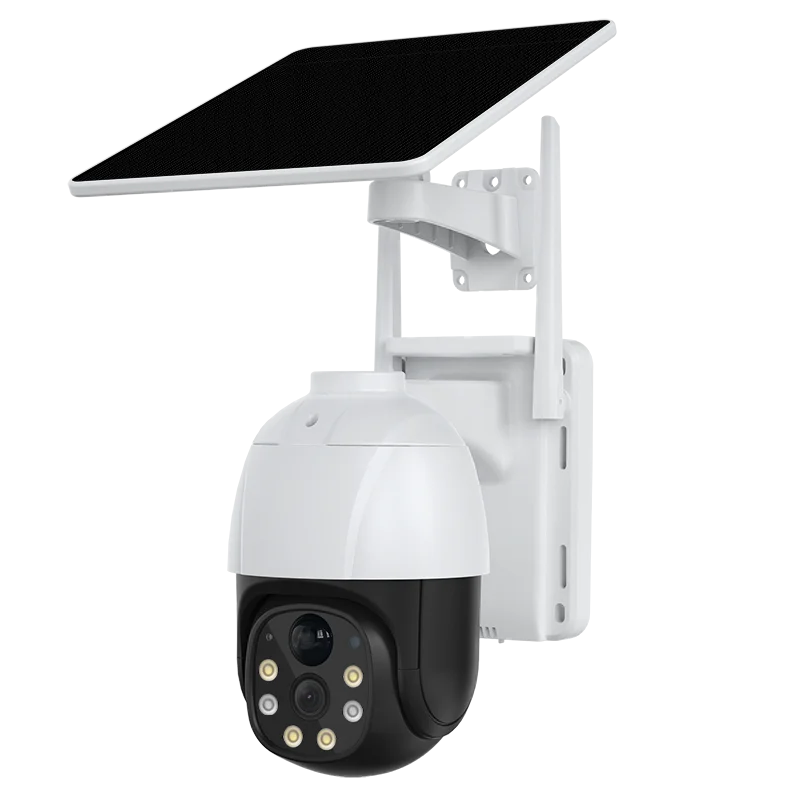
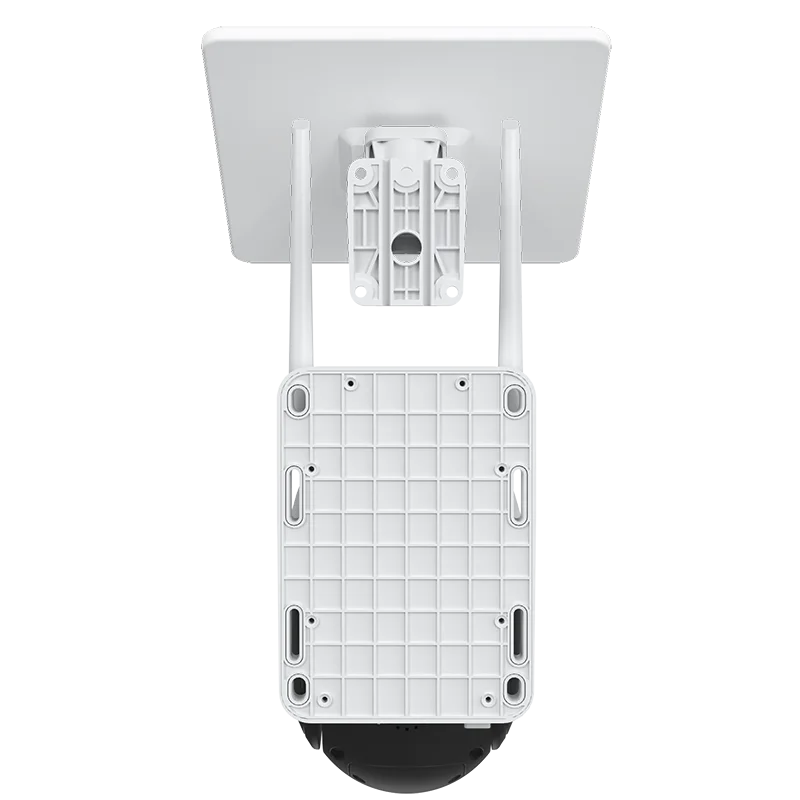
P5 Plus V380 solar-powered camera with 3MP resolution, 110° field of view, and low power consumption. Features 4G connectivity, waterproof design, and IR night vision up to 10m. Ideal for remote monitoring in agriculture and co...