Security cameras today aren't just recording devices anymore but actually serve as proactive protectors of property. The latest motion detection tech, particularly when powered by artificial intelligence, has slashed false alarm rates dramatically - some reports say around 95% fewer than older sensor models according to Security Tech Report in 2025. Better systems now can tell the difference between people, pets, cars and other objects so they only send out important notifications. What really makes modern systems stand out though is the two way audio feature. This addition brings something entirely new to the table. With this capability, homeowners can speak directly through the camera to someone on their property. That means being able to scare off trespassers, talk to delivery folks about where to leave packages, or even calm down situations before they escalate, all without having to physically go outside. When we look at how these different components work together, what emerges is a comprehensive security approach. Motion sensors trigger smart alerts based on actual threats rather than random movements. Meanwhile the audio component provides instant confirmation and allows for quick responses when needed most.
Key advantages include:
The combination of motion detection and audio features solves one big problem with old school surveillance systems people can see what's going on but don't really know what it means. Take two way talk for instance. Homeowners actually manage to stop package thieves right there on the porch when they hear someone approaching. And those motion sensors send alerts with exact timestamps straight to police departments almost instantly. What we're seeing now is a complete transformation in how security works moving away from just watching things happen to having smart systems that interact with their environment and respond appropriately.
The camera employs smart algorithms that can tell apart humans from other moving things around, which means fewer annoying false alarms compared to regular motion detectors we've seen before. About 40 percent reduction in those pesky alerts makes a big difference for anyone who wants peace of mind without constant interruptions. What's really handy is the two-way audio feature that lets users talk back and forth while someone else speaks through their phone app. Great for chatting with delivery folks or guests without having to run outside every time there's a knock on the door. After about two weeks installed, the system starts getting familiar with what normally happens where and adjusts its sensing areas automatically based on that learning curve. Built tough enough to handle most weather conditions from pretty cold winter nights down to hot summer days, plus it lasts quite some time on one charge too maybe half a year if used regularly but not constantly. All this high tech stuff packed into something small enough for home use yet powerful enough for business applications as well.
With Arlo's Smart Zones technology, people can actually draw those custom motion tracking areas right inside the app so alerts only go off where they really need them. The device has a 2K sensor that works hand in hand with motion detection and two way audio communication within just half a second response time, which means potential intruders get interrupted before they even reach critical areas. What makes this system stand out is how it handles background noise too. Wind sounds are filtered down by as much as 40 decibels without losing any important voice details when someone speaks into the camera. Plus, Arlo plays nice with all the big names in smart homes including Alexa and IFTTT. And at night? Color night vision stretches out to around 25 feet, beating what most infrared systems typically offer.
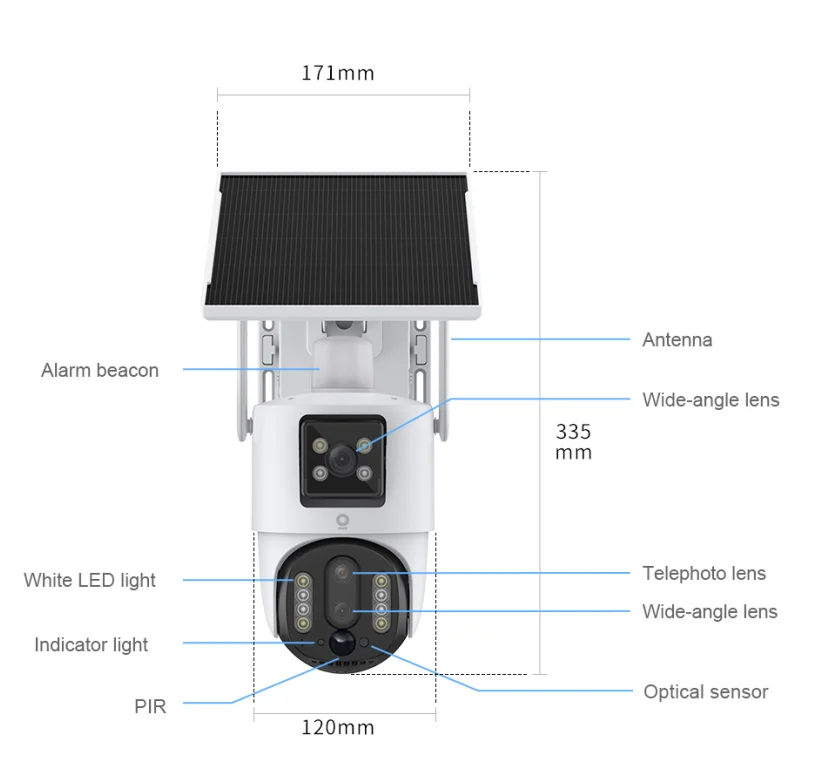
The solar powered version offers top notch features while costing around 30 percent less than what most people pay in the market these days. No need for wires or monthly electricity bills either. The motion detection system combines both PIR sensors that pick up body heat and pixel change detection technology, which together achieve pretty impressive results with about 92% accuracy when monitoring those high definition alert areas. Even when the 2.4GHz network gets busy, audio response time remains fast enough at less than half a second delay. The device also comes with preset volume levels that automatically adjust depending on whether it's day time with friendly greetings or night time with more urgent alerts. There's plenty of local storage space too thanks to the included 128GB microSD card, and all recordings are encrypted so there's no pressure to sign up for any cloud service subscriptions if someone doesn’t want to.
Modern security cameras don't just detect motion anymore, they look for real movement that matters. Smart systems these days check things like how someone walks, their body size, heat patterns, and where they're going to tell the difference between actual threats and stuff like leaves blowing around or cars driving by. Getting this right makes a big difference for people using them day to day. Cameras that hit about 95% accuracy rates cut down on those annoying false alerts by roughly 80% compared to cheaper models. When looking at different detection methods, there's always something to give up somewhere else, but finding that sweet spot is what keeps most users happy in the long run.
| Detection Type | Accuracy Rate | False Alarm Risk | Ideal Use Case |
|---|---|---|---|
| Pixel-Based | 70–80% | High | Low-traffic areas with stable lighting |
| AI-Powered | 92–97% | Low | Entry points, garages, high-security perimeters |
| Thermal Sensing | 85–90% | Moderate | Outdoor perimeter monitoring, low-light or fog-prone zones |
AI-driven detection maintains exceptional reliability after dark—using behavioral cues rather than visible light—to sustain near-zero false positives when it matters most.
Good two way audio goes beyond simple volume levels. It really comes down to how clear the communication is and how fast it happens. The best security cameras combine several key parts working together. First there are those all around microphones that pick up voices well within about 25 feet distance. Then we have noise reduction tech that cuts out roughly 90 percent of background sounds like wind blowing, cars passing by, or AC units running. And finally there's that super quick app connection time under half a second so people don't get confused waiting for responses. Some high end models throw in echo canceling too, which makes a big difference when talking in places where sound bounces around a lot, think garages or patios with overhead covers. When all these elements work as they should, both security experts and regular home owners find themselves able to check who's at the door, give clear warnings if needed, or help guests without any frustrating delays or misunderstandings.
Motion detection is crucial as it reduces false alarms and ensures that notifications are sent only when there is a real threat or activity worth monitoring, enhancing overall security efficiency.
Two-way audio allows homeowners to communicate directly with individuals on their property, enabling them to deter intruders, manage deliveries, and prevent incidents from escalating.
Some top models include the Nest Cam (Battery), Arlo Pro 5S, and Reolink Argus 4 Pro, known for their advanced motion detection technology and effective two-way communication features.


 EN
EN