4G Surveillance Cameras for Remote Monitoring | Reliable Outdoor Security

Call Us:+86-18620508952

4G Camera - Mobile Network Surveillance for Remote Areas

4G Camera - Mobile Network Surveillance for Remote Areas

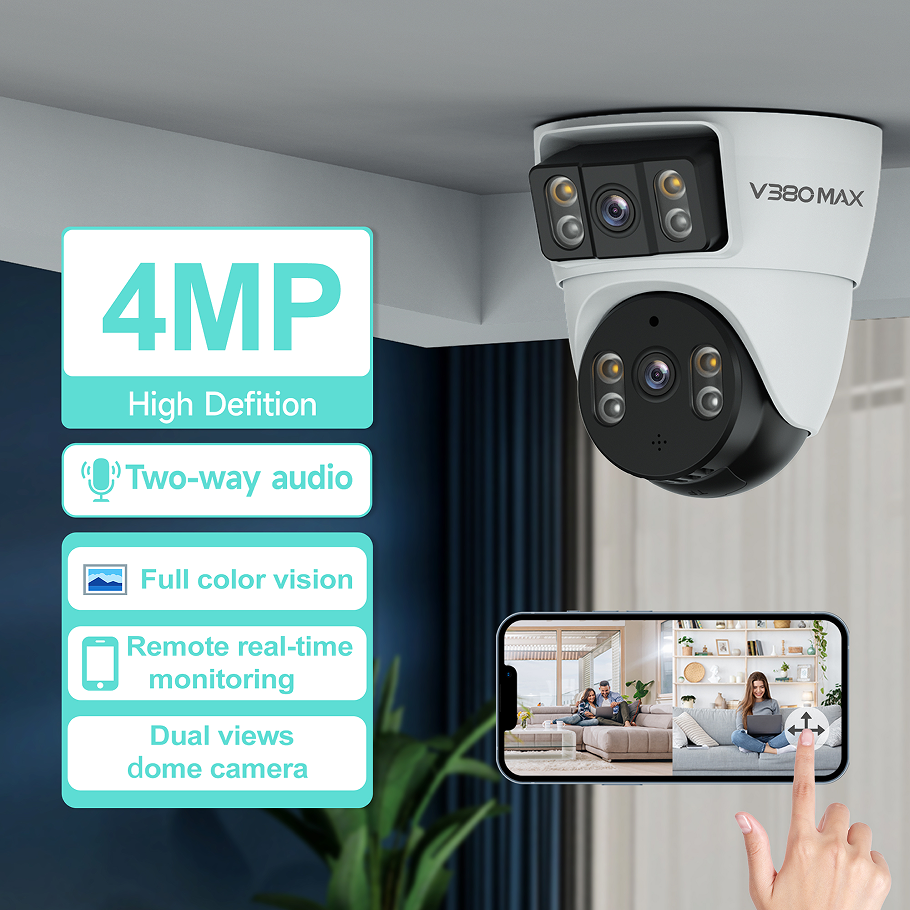
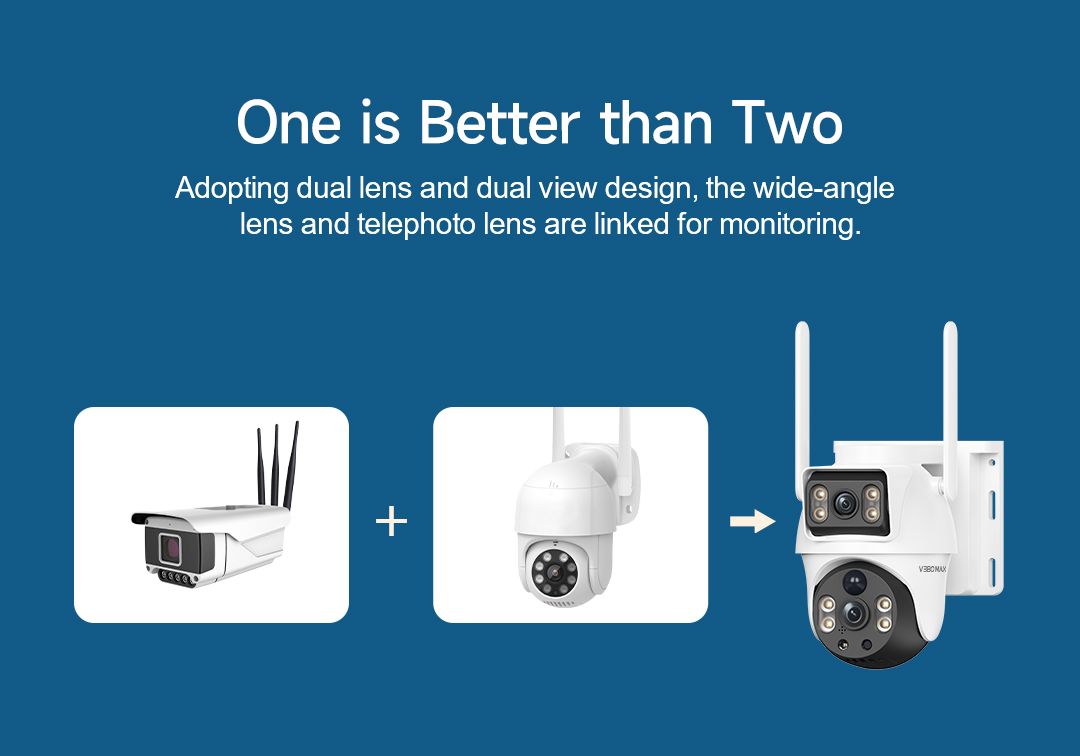
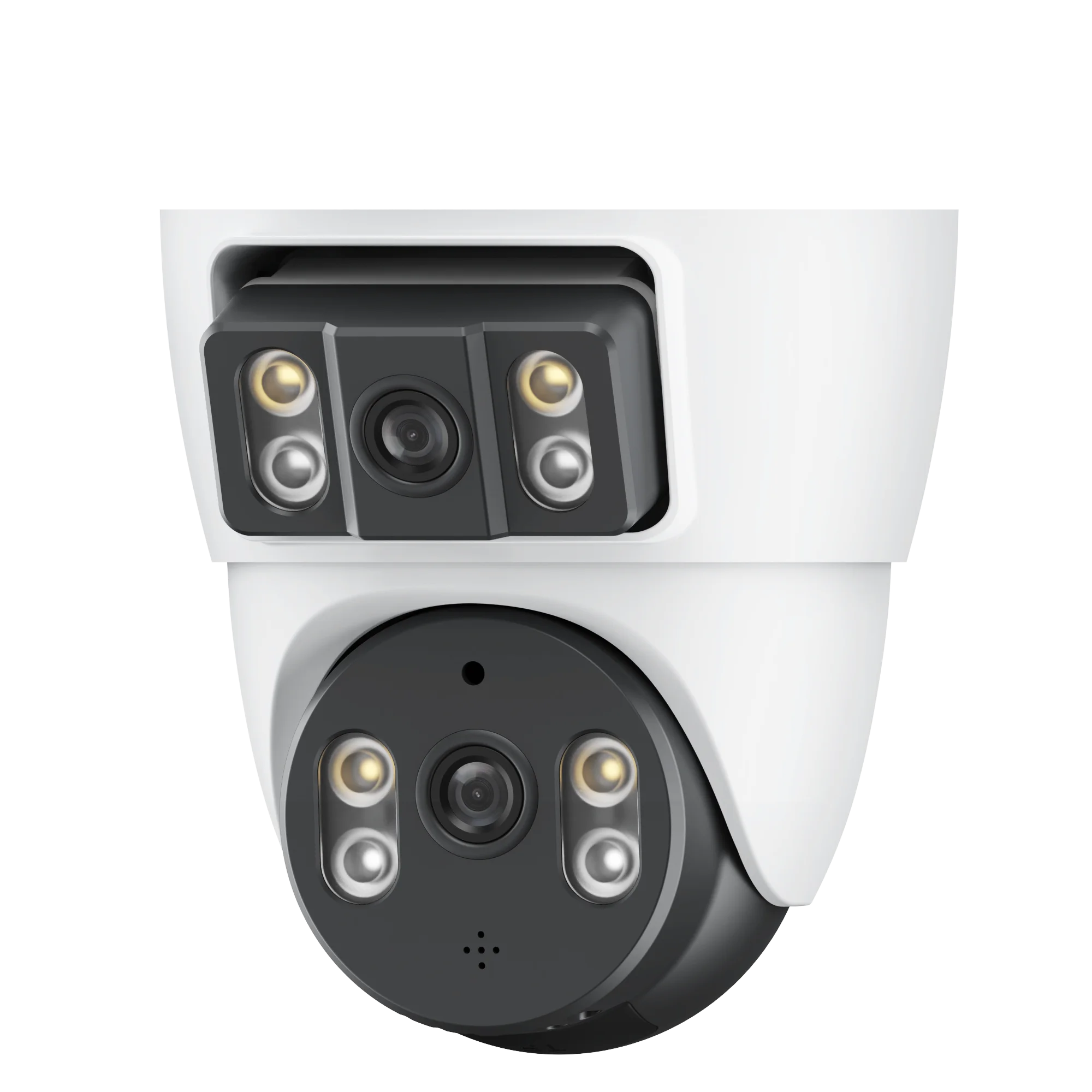
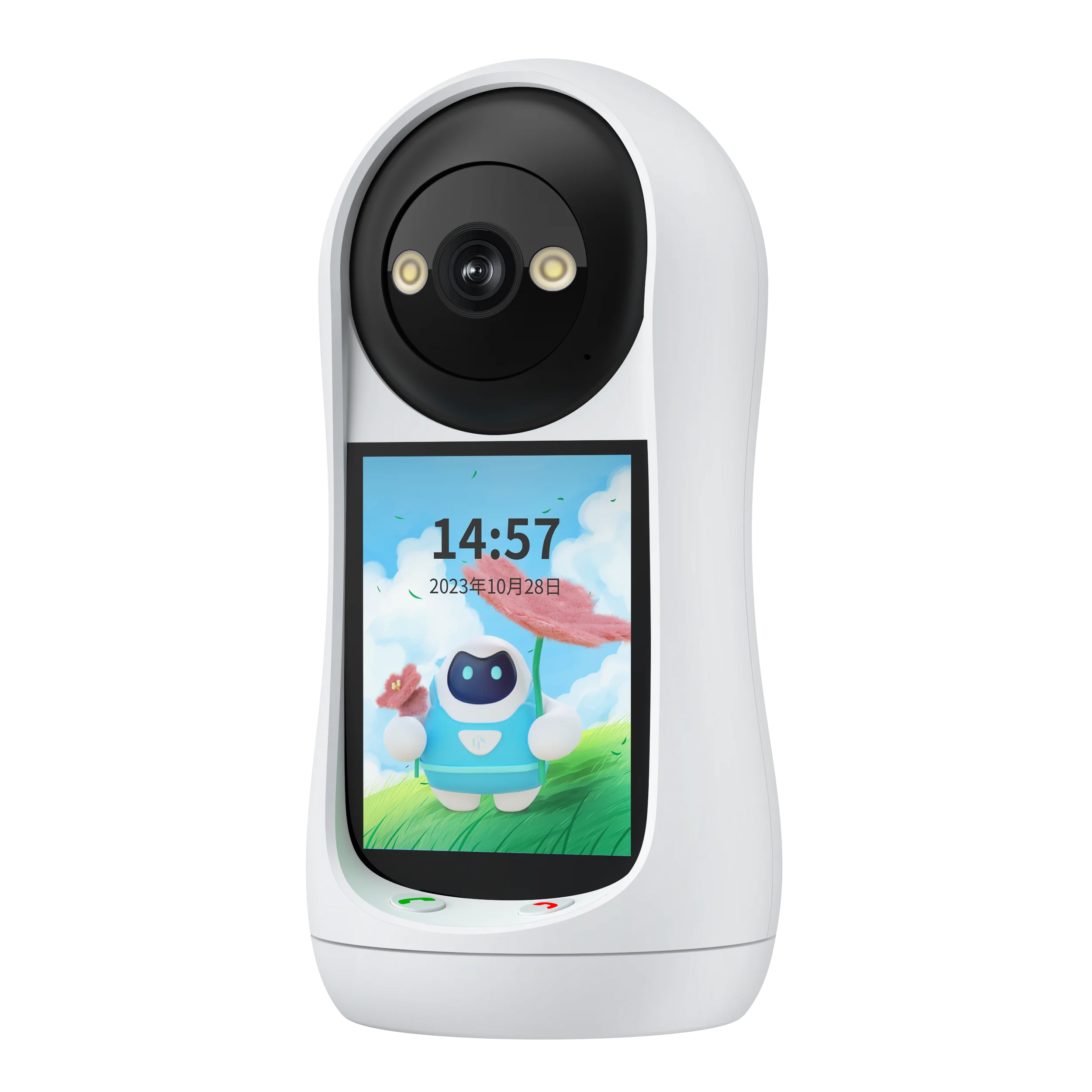
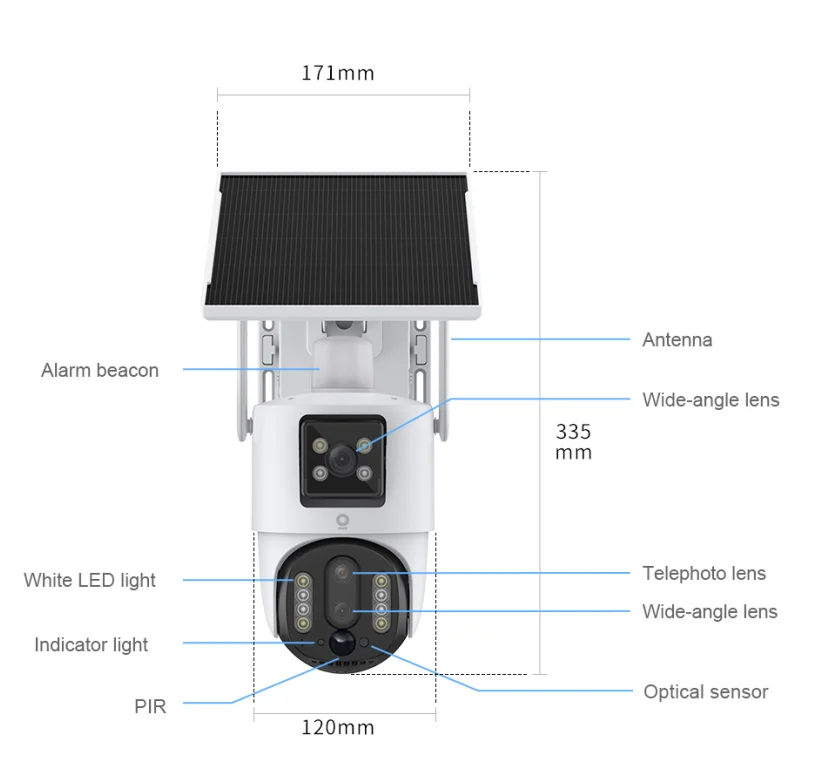
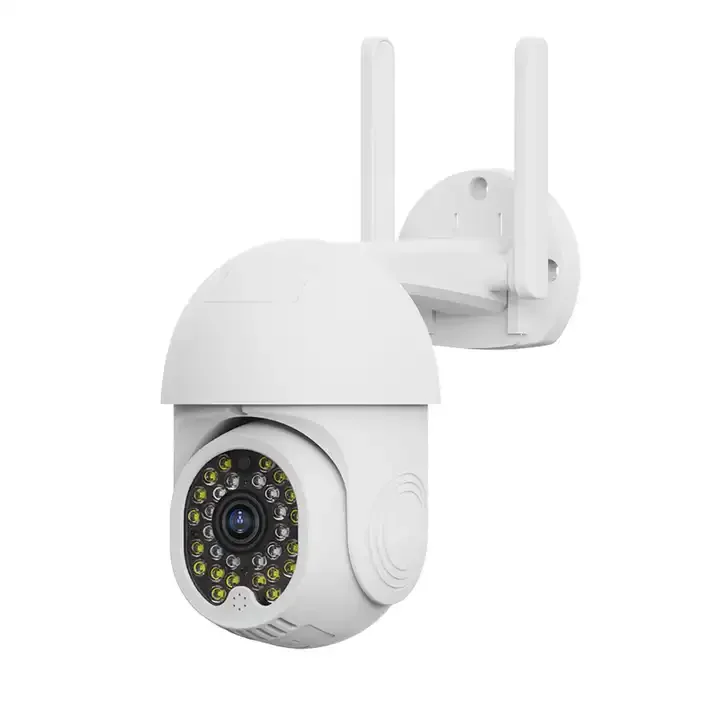
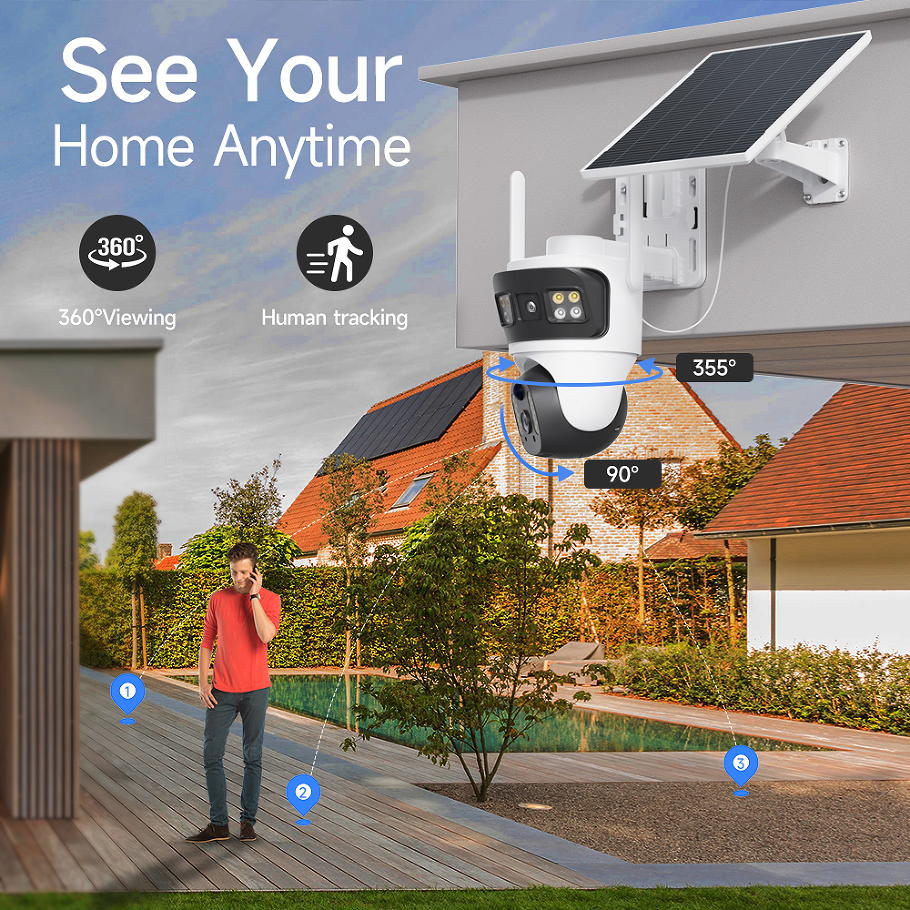
4G cameras utilize 4G LTE networks to transmit video data, making them suitable for locations without reliable WiFi or wired internet access. These cameras can be deployed in remote areas, construction sites, or outdoor venues where traditional network connections are unavailable, as long as there is 4G signal coverage. They often feature built-in SIM card slots and support remote access via mobile apps, allowing users to view live feeds from anywhere. The company’s 4G cameras are designed with durable construction for outdoor use, including weatherproof housing and long-lasting batteries, ensuring reliable performance in challenging environments where network connectivity is limited.
Get A Quote

Advantages of the product

Stable Transmission in Mobile Scenarios

Maintains stable video streaming even in moving vehicles or areas with fluctuating signal environments. Equipped with advanced antenna technology and signal optimization algorithms, it ensures consistent connectivity and minimal latency, providing reliable surveillance in dynamic scenarios. This makes it ideal for monitoring mobile assets, delivery trucks, construction equipment, or outdoor patrol routes where traditional fixed cameras may not be feasible.

Wide Environmental Adaptability

Features rugged weatherproof housing with IP66/IP67 ratings, making it suitable for outdoor use in harsh conditions such as rain, snow, extreme heat, or cold. Engineered to withstand temperature ranges from -30°C to +60°C, this camera ensures reliable performance in remote or challenging environments. Its durable construction resists dust, water, and physical impacts, making it a long-lasting solution for outdoor surveillance in various geographical locations.

Related products

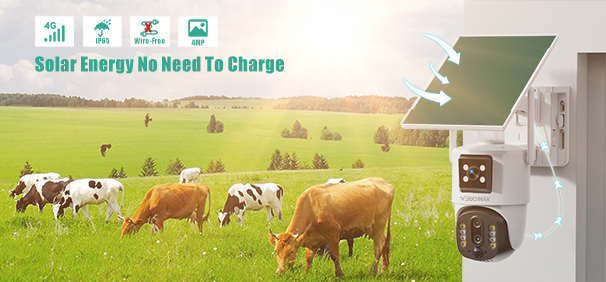
The battery life of a 4G camera from Guangdong Macro-Video Smart Technologies Limited varies based on model, usage patterns, and environmental factors. Most 4G cameras are designed for continuous operation and may rely on external power sources for sustained use, but some portable or solar-powered models feature rechargeable batteries. In standard 4G cameras with built-in batteries, typical battery life can range from 2 to 5 days under normal usage, which includes periodic video streaming, motion detection activations, and 4G connectivity. Factors affecting battery life include network signal strength (weaker signals consume more power), frequency of motion alerts, video resolution, and whether night vision is enabled. Solar-powered 4G cameras can extend battery life indefinitely by continuously charging via solar panels, ideal for off-grid locations. For specific battery life details of our 4G camera models, including maintenance and replacement options, contact our technical support team for comprehensive information.

common problem

What is a 4G camera and how does it transmit data?

A 4G camera transmits video data via 4G networks, operating without wired networks in areas with 4G signal. It sends real-time video to remote servers or user devices.
It is suitable for scenarios where installing wired networks is difficult, such as construction sites, remote rural areas, or temporary monitoring locations with 4G coverage.
It offers flexible installation without network cabling, works in areas with 4G signal, and ensures real-time video transmission, making it ideal for remote or temporary monitoring.

Related article

The Benefits of Solar Cameras for Outdoor Surveillance

20

Jun

The Benefits of Solar Cameras for Outdoor Surveillance

How Solar Cameras Revolutionize Outdoor Surveillance Core Components: Solar Panels, Batteries & Wireless Tech Solar security cameras work thanks to three main parts: solar panels, batteries that can be recharged, and wireless connectivity. The pane...
View More
How PTZ Cameras Improve Surveillance Capabilities

20

Jun

How PTZ Cameras Improve Surveillance Capabilities

Understanding PTZ Cameras and Their Surveillance Capabilities Defining PTZ: Pan, Tilt, Zoom Mechanics PTZ is very popular because it enhances situational awareness: We can pan, tilt and zoom in and out. These cameras zoom around the scene ...
View More
Smart Home Security: The Role of IP Cameras

20

Jun

Smart Home Security: The Role of IP Cameras

Essential Features of IP Cameras in Home Security High-Resolution Imaging and Night Vision The only way to truly identify faces and other important details from a residential security camera system is high resolution. Minimum requirement for re...
View More
The Importance of Baby Monitors in Ensuring Child Safety

20

Jun

The Importance of Baby Monitors in Ensuring Child Safety

Understanding Modern Baby Monitor Technology Audio vs. Video Monitoring Systems Picking out a baby monitor means knowing what separates audio from video options. Audio models let parents listen to their little ones but don't show anything visually....
View More

User evaluation of the product

Robert Zhang

On a remote construction site without WiFi, this 4G camera monitors progress via 4G connection. Motion detection alerts to after-hours activity, night vision captures clear images. Durable, withstands construction site conditions.

Sarah Liu

On my rural property without wired internet, this 4G camera secures the area. 4G connection allows town-based live viewing. Motion detection alerts to visitors, night vision captures details in the dark—easy installation, reliable in all weather.

Get a Free Quote

Our representative will contact you soon.
Email
Name
Company Name
Message
0/1000
Remote Management via Mobile Apps

Remote Management via Mobile Apps

Enables users to access and control the camera through the V380 app over 4G networks, providing full functionality from anywhere in the world. The app supports live video viewing, motion detection alerts, video playback, and remote adjustment of camera settings. Users can customize motion zones, sensitivity levels, and alert schedules, ensuring they receive notifications only for relevant activities. This remote management capability allows for real-time monitoring and quick responses to security events, enhancing overall surveillance efficiency.