
 EN
EN
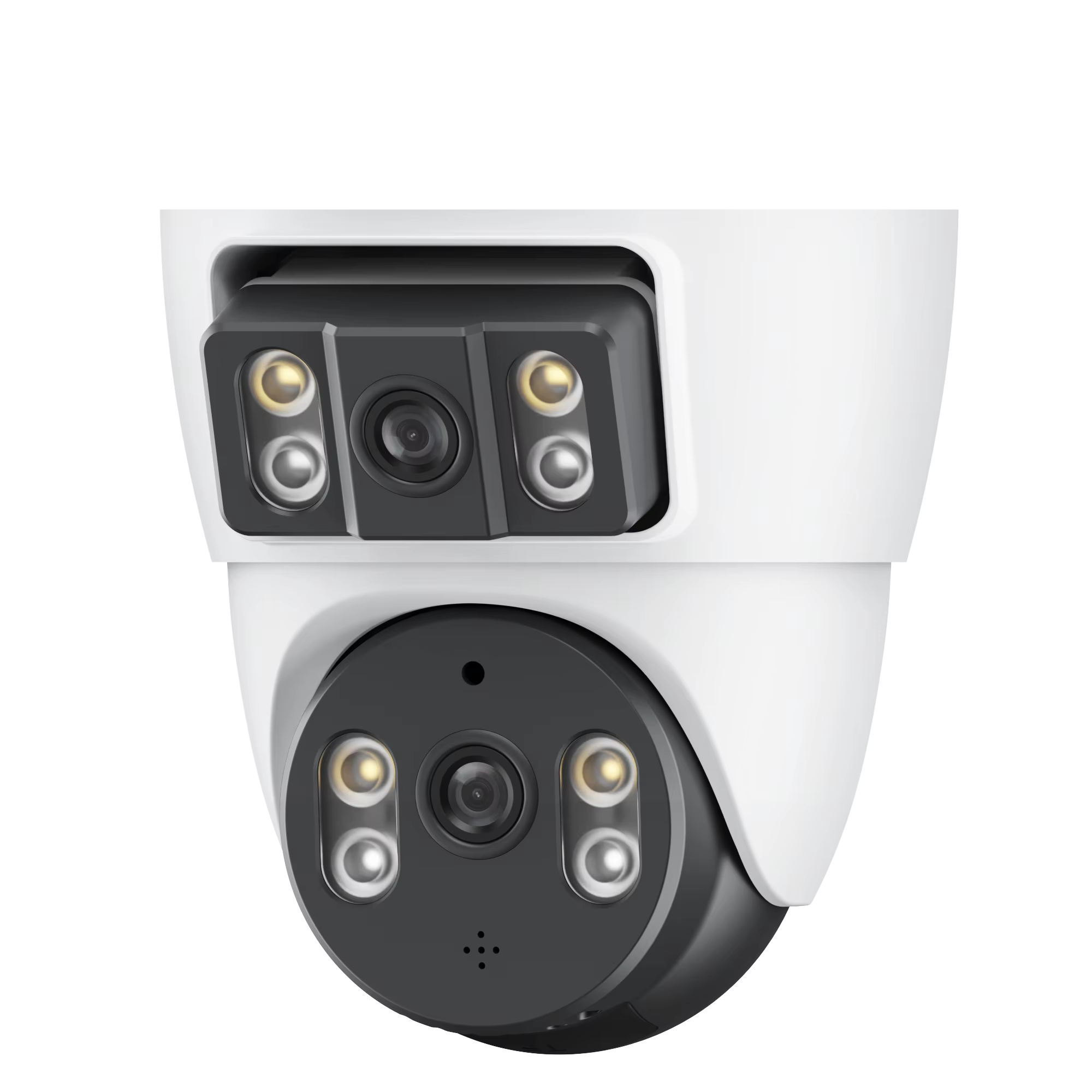
How Low-Sunlight Conditions Impact Solar Camera Performance
Cloud Cover, Diffuse Light, and Reduced Daily Energy Yield
Cloudy skies cut down on what solar panels can produce because they scatter sunlight and filter out some UV rays. The scattered light just doesn't generate as much electricity as when the sun shines directly onto the panels, typically producing between 10 to 25 percent less power. Plus, thick clouds block those specific wavelengths that photovoltaic cells work best with. All this together means the total energy collected each day drops quite a bit sometimes falling below what solar powered cameras need to function properly. Lithium iron phosphate batteries (LiFePO4 for short) handle being discharged deeply pretty well, but if it stays cloudy for several days straight, there's still going to be a problem with not enough charge building up. And when the system simply isn't getting charged enough, it starts cutting back on performance features like lowering image resolution or turning off infrared capabilities until finally enough sunshine comes back around.
Winter Challenges: Shorter Days, Low Sun Angles, and Snow Obstruction
The winter months really put a strain on energy systems because days get much shorter and the sun sits lower in the sky. Take somewhere around 45 degrees north latitude - people there experience roughly two thirds less daylight in December than they do during June. And even when sunlight does reach solar panels, it hits at such a shallow angle that each square meter produces about thirty percent less electricity. Then there's snow to worry about too. Just half an inch buildup on panels can cut down incoming light by as much as eighty percent. Worse still, packed snow acts like insulation, which actually works against any efficiency boost that might come from colder temperatures. Look at what happens across Northwest Europe where solar output plummets between forty to fifty percent from June levels in December. That kind of drop means most installations absolutely need some form of backup power if they want to keep running smoothly through the dark season.
Regional Realities: Pacific Northwest, UK, and Scandinavia Case Insights
Three high-latitude regions illustrate distinct low-light operational patterns:
- Pacific Northwest: With 155 annual overcast days, solar cameras require ~15% longer charging times than theoretical models predict
- UK: Its 50–59°N latitude creates extreme winter solar angles; coastal sites outperform inland ones by 17%, largely due to reduced frost accumulation
- Scandinavia: Polar nights demand 4–6 weeks of battery reserve capacity; Arctic test sites use mirrored reflectors to redirect ambient light during winter months
These environments necessitate purpose-built solar hardware—including panels rated for >23% low-light efficiency and hydrophobic, snow-shedding coatings. Field data shows battery lifespan increases by 30% when winter discharge stays above 20% state-of-charge.
Battery Technology and Power Reserve: Ensuring Solar Camera Reliability
LiFePO4 vs. Lithium-Ion: Cold-Weather Discharge, Cycle Life, and Stability
When it comes to keeping solar cameras running reliably even when sunlight is scarce, LiFePO4 batteries have become pretty much the go to option these days. Regular lithium ion cells tend to drop around half their capacity when temps hit minus 20 degrees Celsius, but LiFePO4 holds onto about 80% of its power at those freezing temperatures. Another big plus is longevity - these batteries typically last between 2000 to 5000 charge cycles, which means roughly three times longer life compared to standard lithium ions that usually manage only 500 to 1000 cycles. Plus they're just less prone to overheating issues, something that matters a lot for cameras left outside all year round without anyone checking on them regularly.
Multi-Day Operation Benchmarks Under Sustained Overcast Conditions
Premium solar cameras with LiFePO4 batteries sustain 3–5 days of continuous operation during extended overcast periods. Runtime depends on three interrelated factors:
| Factor | Impact on Runtime | Optimization Tip |
|---|---|---|
| Battery Capacity | 10,000 mAh = +36h runtime | Choose ¥8,000 mAh for cold zones |
| Motion Detection | 60% power reduction | Enable AI-based activation |
| Environmental Load | -20% runtime in snow | Use heated panels/anti-ice tech |
When configured with these considerations, solar cameras reliably maintain surveillance across week-long low-light scenarios.
Proven Mitigation Strategies for Reliable Solar Camera Function in Low Light
Smart Power Management: Adaptive Motion Detection and Frame Rate Throttling
Intelligent power management extends endurance without compromising security. During idle periods, frame rates drop to 1–5 FPS—cutting energy use by 30% while preserving situational awareness (Journal of Sustainable Security, 2023). Upon motion detection, resolution escalates to 1080p for verification, then reverts to low-power mode. This adaptive balance ensures responsiveness and longevity.
Solar Panel Optimization: Tilt, Orientation, and Anti-Snow/Anti-Dust Coatings
Strategic panel placement significantly improves winter yield:
- Tilt & Orientation: A 30°–45° south-facing angle in the Northern Hemisphere boosts winter energy capture by 25%
- Specialized Coatings: Hydrophobic surfaces reduce snow accumulation by 70%; nano-textured finishes repel dust and grime (Solar Energy Materials, 2022)
Field trials in the Pacific Northwest confirm these optimizations increase daily charging by 40% versus flat, uncoated installations.
Hybrid Charging Options: USB-C, Power-over-Ethernet, and External Battery Packs
Redundant power sources eliminate single-point failure in prolonged low-light conditions:
- USB-C and Power-over-Ethernet (PoE) provide emergency charging independent of solar input
- LiFePO4 expansion packs extend total runtime to 14+ days and retain 80% capacity after 2,000 cycles—even at –20°C (Battery University, 2023)
This hybrid approach is especially vital in Scandinavia, where over 200 annual cloudy days make solar-only operation impractical without backup.
FAQ
How do cloudy weather conditions affect solar camera performance?
Cloudy weather scatters sunlight and reduces the efficiency of solar panels, typically resulting in 10 to 25 percent less power production compared to sunny conditions. This can limit the energy available for solar-powered cameras, affecting their performance.
Which battery is better for solar cameras in cold conditions, LiFePO4 or Lithium-Ion?
LiFePO4 batteries are better for solar cameras in cold conditions because they retain about 80% of their power at freezing temperatures, compared to traditional Lithium-Ion batteries which lose around half their capacity.
What are the best practices for optimizing solar panels during winter?
For optimized winter performance, tilt the solar panels at a 30°–45° south-facing angle in the Northern Hemisphere, and consider using specialized hydrophobic and nano-textured coatings to reduce snow and dust accumulation.