
 EN
EN
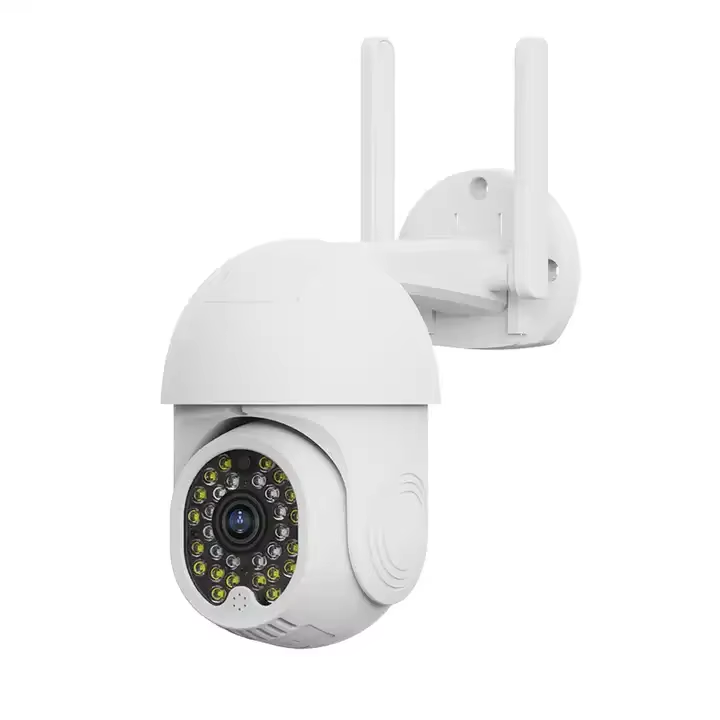
AI-Powered Threat Detection: From Passive Recording to Intelligent Surveillance
How smart cameras use computer vision to filter noise and identify real threats
Security cameras today aren't just recording devices anymore. They've become smart systems that actually think about what they see. These modern cameras use artificial intelligence to look at live footage as it happens. The AI can tell the difference between normal stuff happening like branches moving in the wind or animals walking by, versus actual security issues. For instance, someone hanging around outside a door or leaving something behind might trigger an alert. The deep learning technology behind these cameras works all the time, but it doesn't waste processing power on every little thing. Instead, it focuses only when there's something worth looking at. This approach stops people from getting overwhelmed with false alarms. And it helps spot problems accurately based on context. Think about how a camera could recognize when someone is delivering a package versus when someone is checking out windows suspiciously.
| Surveillance Evolution | Traditional Approach | AI-Enhanced Capability |
|---|---|---|
| Functionality | Passive recording | Active threat detection |
| Response Time | Post-incident review | Real-time alerts |
| Human Dependency | Manual monitoring | Automated 24/7 analysis |
Person, package, and vehicle classification: Reducing false alerts by up to 98%
Good object recognition forms the backbone of effective AI surveillance systems today. Modern security cameras rely on machine learning models trained across vast collections of images to identify what they're seeing people walking around, cars parked nearby, maybe even packages left at doorsteps with pretty impressive results these days hitting above 95% accuracy rates in most cases. The real value comes when the system can tell the difference between actual threats and everyday stuff like cats wandering through hallways, flickering lights from passing cars, or just plain old shadows cast by lighting conditions. According to research published in a respected industry journal and referenced by the Security Industry Association, businesses that adopted this kind of smart filtering saw their false alarm counts drop by nearly all 98% in some instances. That means fewer wasted hours investigating nothing and more time focusing on genuine security concerns.
This precision enables adaptive responses: cameras automatically zoom on unidentified persons while ignoring scheduled deliveries. When integrated with access control systems, they cross-reference detected faces against authorized personnel lists—turning raw footage into verified, actionable intelligence.
Remote Monitoring and Real-Time Alerts for Proactive Security
Always-on mobile access with encrypted cloud streaming and instant push notifications
Today's security setups are moving away from just watching what happens after something goes wrong, toward actually stopping problems before they start. Most systems now let people check out live feeds or old recordings anytime, anywhere thanks to encrypted cloud storage that keeps everything safe while it travels across networks. The smart stuff kicks in when motion sensors pick up on strange activity or unusual patterns around the property. At that point, the system sends instant alerts straight to phones or tablets as needed. This kind of warning gives folks time to look into things themselves maybe someone left a package outside, catch someone trying to get in without permission, or call for help if there's anything serious going on before it gets worse.
By eliminating delays between detection and response, this capability empowers homeowners and business operators to activate deterrents—such as two-way audio warnings—or contact emergency services within seconds. Continuous remote visibility also serves as a documented audit trail, supporting investigations and compliance requirements.
Smart Camera Automation: Integrating Deterrence, Response, and Emergency Protocols
Triggering lights, locks, sirens, and two-way audio upon verified threat detection
Smart cameras now act as command nodes for automated physical responses—activating defenses only after AI verifies a threat. Upon confirmed unauthorized entry, systems initiate coordinated actions:
- Floodlights illuminate intrusion zones to disorient and expose trespassers
- Smart locks engage automatically to isolate affected areas
- 110+ decibel sirens deter further advancement while alerting occupants
- Two-way audio enables remote verbal warnings or direct communication with authorities
This verified-threat automation replaces guesswork with precision intervention, bypassing human verification latency. Urban safety studies conducted by the National Institute of Justice report an 85% improvement in average response time when AI-verified automation is deployed.
Seamless interoperability via Matter and Thread for unified security ecosystems
Open standards like Matter and Thread enable smart cameras to serve as central orchestrators across heterogeneous security ecosystems. Unlike proprietary platforms limited to single-brand compatibility, these protocols support:
- Cross-manufacturer device communication over secure, self-healing mesh networks
- Local operation during internet outages—maintaining core functionality without cloud dependency
- Unified control via one dashboard or voice assistant for cameras, alarms, locks, and sensors
- Integration cost reductions of up to 60%, per the Connectivity Standards Alliance‘s 2023 ecosystem benchmark
This interoperability ensures cameras don‘t operate in isolation. During a perimeter breach, for instance, they can trigger emergency lighting, lock adjacent doors, and notify on-site personnel—all in concert—creating layered, adaptive protection tailored to residential and commercial environments alike.
Scalable Security: Why Smart Cameras Meet Distinct Needs of Homes and SMBs
Smart camera systems offer adaptable security solutions thanks to their modular design and software driven architecture, which means no major infrastructure changes are needed when upgrading. For home users, expanding surveillance coverage has never been easier. Most modern systems let people add extra cameras through their smartphones without having to run new wires or hire technicians. Businesses of all sizes are also getting in on this trend. Cloud based management tools allow small and medium enterprises to keep track of multiple locations from one central control panel. Market research from MarketsandMarkets in 2023 shows these scalable systems cut initial setup costs anywhere between 30 to 50 percent compared to old fashioned wired alternatives. And because they're wireless, ongoing maintenance expenses stay much lower over time too.
Using open standards such as Matter makes it possible to integrate smoothly with current security setups including alarm systems, door locks, and those little IoT sensors that monitor temperature and motion around the house. When different devices can talk to each other, we get better automation rules in practice. For instance, outdoor lights come on automatically when an AI detects someone approaching at night, but stay off during regular hours. Security cameras record footage that matches up exactly with who was there according to the access logs. As people's security requirements change over time, whether they live alone or manage multiple stores across town, these smart camera networks grow without getting stuck with one brand forever. That means businesses save money in the long run because their initial investments keep working even as technology advances.
Frequently Asked Questions
What is AI-powered threat detection?
AI-powered threat detection refers to advanced security systems using artificial intelligence to analyze video footage in real-time, identify potential threats, and differentiate them from normal activities.
How do smart cameras reduce false alarms?
Smart cameras use machine learning models to accurately classify objects and actions, filtering out non-threatening activities like animals or shadows, thus significantly reducing false alarms.
Can smart cameras be integrated with existing security systems?
Yes, smart cameras can be integrated with existing security systems using open standards like Matter and Thread, providing interoperability and enhanced functionality.
What are the benefits of remote monitoring with smart cameras?
Remote monitoring allows users to access live footage and receive instant alerts, enabling proactive security measures and quicker response times to potential threats.
How do scalable security systems benefit homes and SMBs?
Scalable security systems make it easy to expand coverage without major infrastructure changes, reducing initial setup and maintenance costs for both homes and small to medium-sized businesses.
Table of Contents
- AI-Powered Threat Detection: From Passive Recording to Intelligent Surveillance
- Remote Monitoring and Real-Time Alerts for Proactive Security
- Smart Camera Automation: Integrating Deterrence, Response, and Emergency Protocols
- Scalable Security: Why Smart Cameras Meet Distinct Needs of Homes and SMBs
- Frequently Asked Questions