
 EN
EN
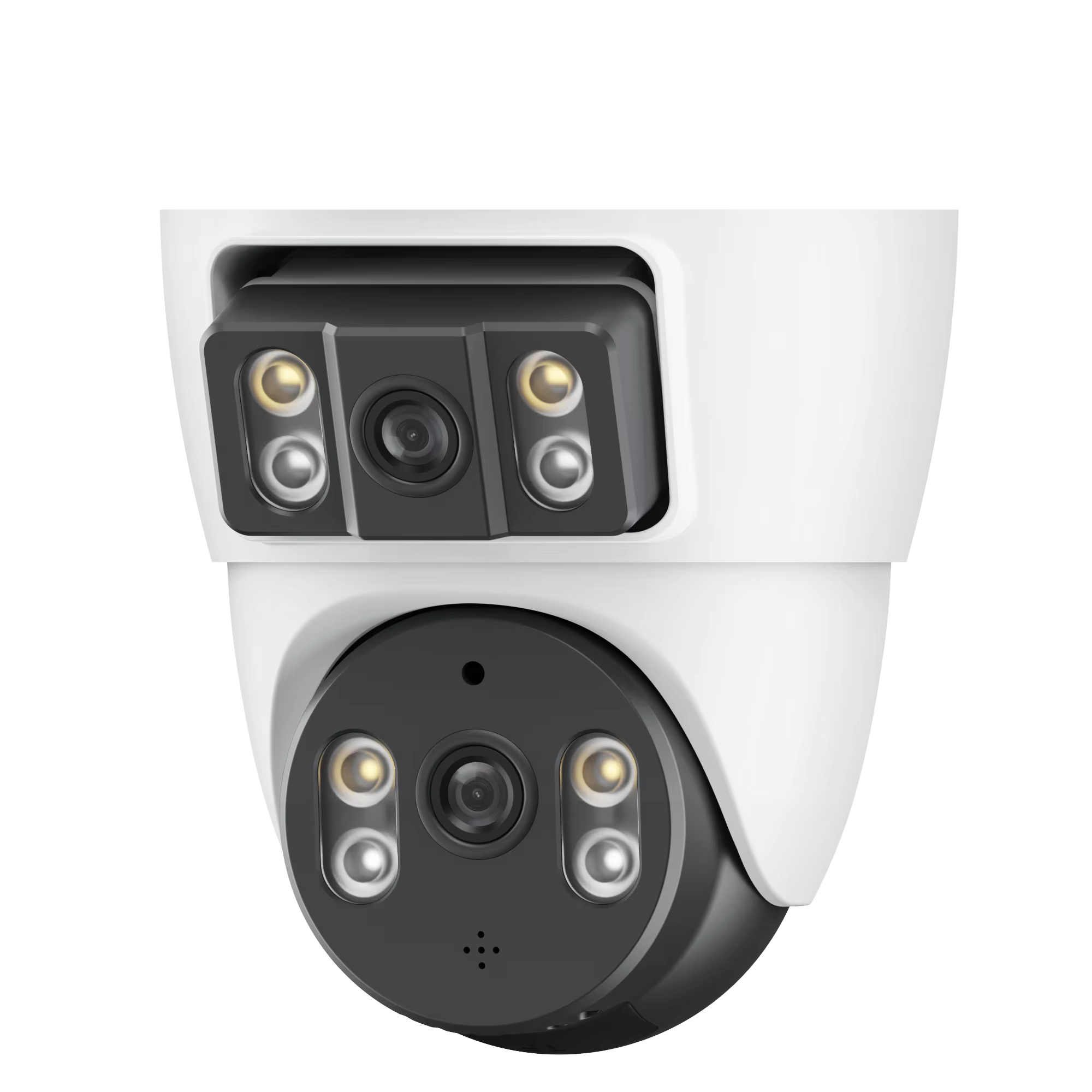
How 4G Cameras Function Without WiFi or Wired Internet
Cellular architecture: SIM/eSIM, LTE modem, and cloud relay infrastructure
True WiFi independence starts with three core components:
- Cellular connectivity: An embedded SIM (eSIM) or physical SIM card links directly to mobile networks—bypassing routers, modems, and existing internet infrastructure entirely
- 4G LTE modem: This dedicated hardware encodes and transmits video data over cellular bands, optimized for low-latency, secure streaming
- Cloud relay infrastructure: Encrypted video streams route through carrier-grade, geographically distributed servers before reaching your app or dashboard
This end-to-end cellular design enables reliable operation in locations with no broadband, fiber, or even electrical grid access—such as remote job sites, agricultural land, or disaster recovery zones.
Real-time video transmission over AT&T, Verizon, and T-Mobile 4G LTE networks
Motion detection starts the recording process, after which the camera's internal processor works to compress the video using H.265 format. The LTE modem takes over next, sending out encrypted data packets through whatever carrier signal is strongest at the moment - whether that's AT&T, Verizon, or T-Mobile. The system keeps adjusting the quality and speed of the stream depending on what the network can handle in real time, so even when signals get shaky, the live feed stays going without interruption. Should there be a total loss of connection, the camera stores the footage right there on the microSD card until things reconnect. Once service comes back online, all those saved clips automatically upload to the cloud storage, making sure there are no missing pieces in the security record.
Top Performing 4G Cameras for WiFi-Dead Zones
Reolink Go Plus: Solar-powered, dual-band LTE, and local microSD failover
The Reolink Go Plus gets rid of the whole battery hassle thanks to built-in solar charging, which makes it great for those situations where running electricity outdoors just isn't feasible. With dual band LTE support, this camera works smoothly on all three major US networks - AT&T, Verizon, and T-Mobile. If one network gets busy or goes down in an area, it'll switch to another carrier so there's no interruption in service. Should the cell signal drop completely, don't worry about losing important footage. The device has internal microSD storage that can hold up to 128GB worth of video recordings until internet connection returns. And speaking of tough conditions, these cameras are built tough too. They come with IP66 protection ratings and can handle pretty much anything Mother Nature throws at them from freezing cold (-10 degrees Celsius) right up through blistering heat (as high as 55C). That kind of durability makes them perfect for monitoring construction sites, remote farms, or those weekend getaways far away from civilization.
Arlo Go 2: Verizon-certified ruggedness and adaptive streaming in low-signal areas
The Arlo Go 2 meets Verizon's LTE network requirements and passes MIL-STD-810H testing, which means it can handle pretty rough treatment in the field. We're talking resistance to drops from height, dust getting into components, constant vibrations, and even surviving underwater at about 3 feet deep. What really stands out is how smart the camera handles different situations. When signals get weak, it automatically adjusts video quality from full HD down to standard definition so those important motion alerts keep working even when reception isn't great. There's also something called intelligent buffering that grabs the last 30 seconds before an event happens, giving operators valuable context they might otherwise miss. Plus, during times when internet speeds drop, the system knows to send priority footage first instead of wasting time uploading unnecessary background material. All these features combine to make this device ideal for keeping tabs on construction sites, storage facilities, or any outdoor location where regular WiFi just won't reach.
Key Design Features That Ensure True WiFi Independence
IP66+ weatherproofing, integrated high-gain LTE antennas, and eSIM flexibility
Building true wireless resilience starts with hardware designed specifically for tough conditions. Enclosures rated IP66+ or better stand up well against dust and strong water jets according to IEC 60529 standards, which makes them ideal for places like coastal areas, factories, or anywhere humidity is a constant issue. The inclusion of high gain LTE antennas really helps boost signal reception where coverage is weak. Some field tests actually showed these antennas can push out signals about 40% further than regular internal ones. When combined with eSIM tech, operators don't need to swap physical SIM cards anymore. This matters a lot when networks go down unexpectedly or when trying to expand operations into areas covered by different carriers. Being able to change providers remotely keeps systems running smoothly without downtime.
Bandwidth efficiency: H.265 encoding, motion-triggered uploads, and offline buffering
With limited cellular data plans becoming the norm these days, getting smart about video management has become absolutely essential. The H.265 format actually uses about half the bandwidth compared to older H.264 technology, which means we can still get crisp 1080p quality but our data plans last much longer between refills. Many systems now come with motion sensors that only upload when something happens, and some top models even figure out what counts as important activity, sending short 10 second clips rather than streaming everything all day long. When there's no signal, cameras store recordings right on those tiny microSD cards inside them (some can hold up to 128 gigabytes worth). Once internet comes back, they sync everything automatically to the cloud. All these tricks work together to give businesses rock solid performance without needing fancy office networks or running cables everywhere.
FAQ
How do 4G cameras transmit video without WiFi?
4G cameras transmit video using cellular connectivity, bypassing traditional WiFi networks by directly connecting to mobile networks through a SIM or eSIM, along with using LTE modems and cloud relay infrastructure.
What happens when a 4G camera loses connection?
When a 4G camera loses connection, the internal microSD storage is used to save footage temporarily until the connection is restored, at which point the saved clips are uploaded to cloud storage.
Are 4G cameras suitable for all environments?
Yes, many 4G cameras are designed to withstand harsh environments, with features like IP66 weatherproof ratings for protection against dust and water, and durable construction to handle extreme temperatures and conditions.