
 EN
EN
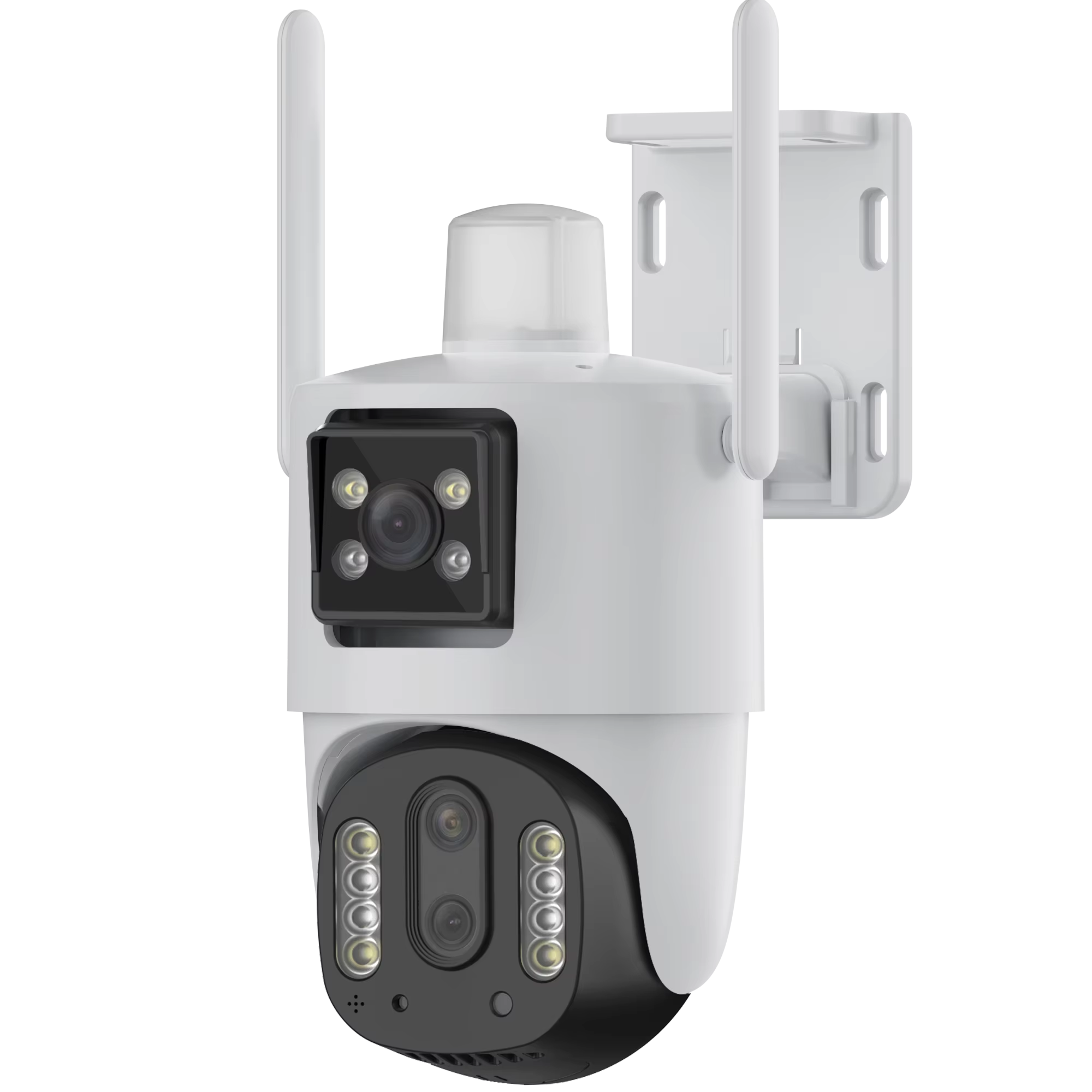
Biometric Safety Features: Breathing Detection and Sleep Position Monitoring
How contactless computer vision breathing detection supports AAP safe sleep guidelines
Modern baby monitors with contactless computer vision technology rely on high resolution cameras and smart algorithms that pick up on tiny chest movements to confirm breathing without needing any physical sensors or wearable devices attached to the baby. This approach aligns well with the American Academy of Pediatrics 2022 safe sleep recommendations, which stress keeping cribs clear of clutter, wires, straps, or built in gadgets. The system keeps track of how fast a baby is breathing and will alert parents if it drops below what doctors consider normal ranges between 12 and 20 breaths per minute. An important benefit is that these systems completely remove the danger of strangulation or pressure points that come with wearable monitors, something that matches exactly what pediatricians recommend for safer sleep environments. Research from the National Institutes of Health shows this kind of setup can cut sudden infant death syndrome risk in half when parents follow all safety guidelines properly.
Real-time sleep position verification to prevent unsafe prone/side sleeping
Posture tracking systems today rely on depth sensing cameras combined with motion analysis tech to spot dangerous sleeping positions like lying on the stomach or side almost immediately. These devices process around 30 different body movement measurements every single second, so they catch even small changes that matter. For instance, when a baby's head tilts just 15 degrees toward the mattress surface, which is actually what the Consumer Product Safety Commission considers risky for suffocation. The system sends out warnings right away, giving caregivers precious time to adjust positioning before things get really bad. Positional asphyxiation happens fast too, studies show it can develop within less than two minutes in many cases, something parents need to know about but often don't realize until it's too late.
Reducing false alarms through adaptive sensitivity and environmental calibration
Newer monitor technology uses machine learning algorithms to tell real body signals apart from all sorts of background noise like moving shadows, pets walking around, or clothes flapping in the wind. These improvements cut down on false alarms by about 80 percent when compared with older versions according to research published in the Journal of Pediatric Technology last year. The system knows what's going on around it and changes how sensitive it is depending on things like lighting conditions, type of bedding material, and normal movements during different parts of sleep. This keeps the accuracy rate above 97 percent most of the time without making caregivers ignore warnings because they get too many false positives. When something actually needs help, these monitors make sure medical staff can respond quickly and confidently know it's a real emergency situation.
Secure Data Transmission and Privacy Protection for Your Baby Monitor
FHSS, end-to-end encryption, and Wi-Fi security protocols compared
When it comes to baby monitors, there are basically three different security approaches available, and each works better for certain types of homes. FHSS technology is what we find in those traditional non-WiFi systems. What makes it special is how it keeps changing the frequency it uses to send signals back and forth. This constant shifting makes it really hard for anyone trying to intercept the signal, plus it doesn't drain batteries as fast as other options. For parents who want maximum privacy with their WiFi connected devices, end to end encryption or E2EE is considered top notch security. With E2EE, everything from video feeds to sounds gets locked down right at the source, and can only be unlocked on devices that have been properly set up and verified. No one else including the cloud storage company can actually see or hear what's going on. Standard WiFi security like WPA3 does make setup easier for most people, but it relies a lot on keeping the home network clean and secure. According to research published last year in the Cybersecurity Journal, households with weak or no network security face almost an 80% higher risk of being hacked. Ultimately, picking the right system boils down to what matters most: how concerned about privacy someone is, whether they need internet connectivity features, and how much control they have over their home's networking environment.
Non-Wi-Fi alternatives and low-EMF design considerations for sensitive households
Families concerned about reducing exposure to electromagnetic fields (EMFs) or wanting better protection against cyber threats might want to consider analog or DECT based baby monitors instead of smart ones connected to the internet. These older style devices still work great, sending clear audio and video signals across distances of around 1000 feet without needing any cloud connection. Many newer models come with features like voice activated transmission so they only send signals when there's actual noise, plus sleep modes that significantly lower emissions when not actively used according to various studies on environmental health. Parents shopping for these monitors should check if they have automatic power adjustments, meet FCC standards for low emissions, and include design elements such as shielded circuits which help reduce radiation levels right next to where babies sleep. All these features make it possible to keep an eye on little ones while staying safe in homes sensitive to EMF exposure.
Physical Safety and Environmental Integration of the Baby Monitor
Cord management, wall-mount stability, and CPSC-compliant placement
Getting the physical setup right matters a lot when it comes to keeping babies safe. Make sure to run and fasten all those wires properly with what came from the manufacturer or stick them down with those little plastic clips they sell. Keep everything tight, out where tiny hands can't grab it, and at least three feet away from the crib area so there's no chance of getting tangled up. For wall mounted devices, definitely go with those UL certified brackets that can hold ten times what the monitor weighs. They need to stay put even if someone yanks on them or the whole thing shakes around. The Consumer Product Safety Commission says we should leave at least three feet between any gadget and where the baby sleeps. This isn't just about following rules either it helps reduce electromagnetic fields and keeps the camera lens clear without anything blocking it. Don't forget to check how stable everything is once a week too. And watch out for places close to things that vibrate like ceiling fans or air conditioning ducts because these can mess with both picture quality and how secure the whole setup actually is.
Regulatory Standards and Realistic Expectations for Consumer Baby Monitors
Baby monitors sold in the US need to follow strict rules set by government agencies. The Consumer Product Safety Commission looks at things like how long cords are, what might be a choking risk, and whether the product is built solidly enough. Meanwhile, the Federal Communications Commission handles issues around radio signals and interference from other devices. Looking at numbers since early 2020 shows just how important these standards are - the CPSC has recalled hundreds of baby products because they didn't meet safety requirements. That's why parents should check for third party certifications like those from UL or ASTM when shopping for monitors. But here's something important to remember: none of these consumer level devices qualify as medical equipment. They haven't been approved by the FDA for preventing SIDS, and they absolutely cannot take the place of watching your baby directly or following proven safe sleep guidelines. As pediatricians often remind us, tech can help but it doesn't replace putting infants on their backs on a firm mattress without extra stuff around them. Think of baby monitors as helpful assistants, not magical solutions that will protect against everything.
FAQs
-
What is contactless computer vision in baby monitors?
Contactless computer vision uses high-resolution cameras and smart algorithms to monitor a baby's breathing by detecting tiny chest movements, eliminating the need for physical sensors or wearables. -
How do posture tracking systems help in preventing unsafe sleeping positions?
These systems use depth-sensing cameras and motion analysis to detect dangerous sleeping positions, such as lying on the stomach or side, and issue immediate warnings to caregivers. -
What are the major security features for baby monitors?
Baby monitors employ FHSS, end-to-end encryption, and Wi-Fi security protocols to ensure data privacy and security. Choosing the right one depends on privacy concerns and the need for internet connectivity. -
Are non-Wi-Fi baby monitors safer in terms of EMF exposure?
Non-Wi-Fi monitors, like those based on analog or DECT technology, reduce EMF exposure and provide clear signals without internet connectivity, making them a safe choice for sensitive households. -
What regulatory standards do baby monitors comply with?
Baby monitors must adhere to strict regulations from agencies like the Consumer Product Safety Commission and Federal Communications Commission to ensure safety and avoid interference issues.