
 EN
EN
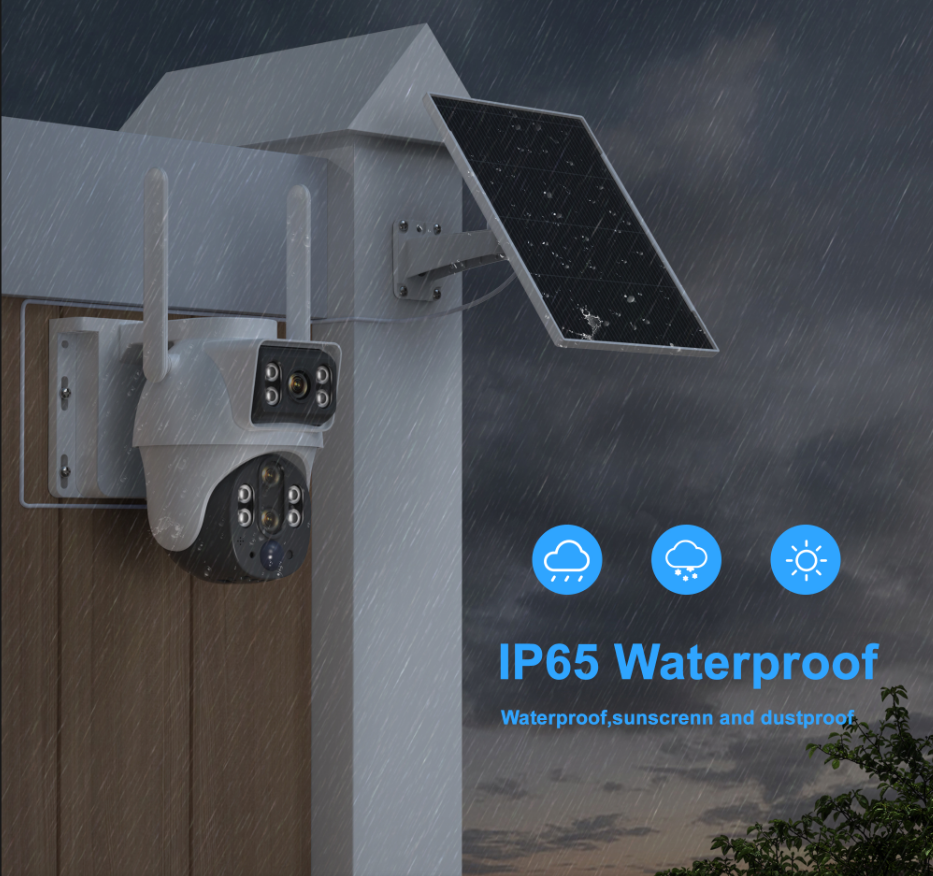
Understanding IP Ratings and Real-World Weather Resistance
What is an IP rating and why it matters for outdoor camera durability
Ingress Protection or IP ratings tell us how well a device can stand up to dust and water intrusion, usually shown through a two number code system. The first number ranges from 0 to 6 and shows how protected something is from solid particles such as dust getting inside. The second number goes up to 9 and tells us about water resistance capabilities. When it comes to outdoor security cameras specifically, these ratings matter because they help ensure the equipment survives harsh weather conditions over time. A recent survey of the surveillance market back in 2023 found that cameras rated at least IP65 had around three quarters less problems related to bad weather compared to those without proper ratings. Still worth noting though, experts who install security systems regularly point out that just looking at IP ratings isn't enough for long term reliability. Good sealing work during manufacturing and using tougher materials also plays a big role in keeping devices functioning properly despite whatever Mother Nature throws their way.
Decoding IP66, IP67, and higher: Dust and water resistance explained
| IP Code | Solid Protection | Liquid Protection | Outdoor Camera Use Case |
|---|---|---|---|
| IP66 | Dust-tight | High-pressure jets | Coastal areas with salt spray |
| IP67 | Dust-tight | Temporary submersion (30 mins @ 1m depth) | Flood-prone zones |
| IP68 | Dust-tight | Continuous submersion | Underwater monitoring systems |
While IP67-rated cameras can survive brief flooding, they may fail during prolonged downpours if seals degrade over time. In contrast, IP66 models perform exceptionally in hurricane-prone regions due to robust resistance to high-velocity water spray, despite lacking submersion certification.
Comparing real-world performance of IP-rated outdoor security cameras
Test results from labs often miss what really happens when equipment goes into the field. Take this IP67 rated camera for instance it aced all the water submersion tests but ended up collecting condensation inside after months in tropical conditions where hot days turned into cool nights repeatedly damaged those rubber seals around the housing. On the flip side there are some IP66 models equipped with special vents that kept working flawlessly through brutal sandstorms in Middle Eastern deserts something no one predicted during certification. Because of these real world surprises many companies have started talking about operational IP ratings instead of just standard ones. These new ratings try to account for things like daily temperature swings, sun damage over time, and how well those protective seals hold up year after year rather than just passing a single test at a controlled lab setting.
Common misconceptions about IP ratings and weatherproofing
Myth: Higher IP codes eliminate maintenance needs
Reality: A 2024 maintenance study found that 63% of weatherproof camera failures stemmed from undetected seal degradationMyth: IP68 guarantees saltwater corrosion resistance
Reality: Saltwater environments demand marine-grade stainless steel hardware, as IP ratings do not cover material corrosion resistanceMyth: All IP65+ cameras perform equally in freezing rain
Reality: Ice accumulation tests reveal that 40% of rated models suffer lens obstruction below -10°C, depending on housing design and heating elements
Choose cameras based on location-specific risks—such as humidity, ice, or salt exposure—rather than solely pursuing the highest IP number.
Essential Build Features for Long-Term Outdoor Durability
Sealed Housing and Corrosion-Resistant Hardware in Weatherproof Outdoor Cameras
To really protect against the elements, proper weatherproofing needs completely sealed housing units featuring compression gaskets plus marine grade stainless steel fasteners that keep moisture out. Most consumer level plastic boxes simply won't cut it when serious protection is needed. That's where professional equipment shines, typically constructed from either aluminum alloys or tough polycarbonate materials, all held together with parts that resist corrosion over time. Field tests show something interesting too: cameras with IP66 rated housings and stainless steel mounts maintain around 98% of their original seal integrity even after sitting outside for five whole years. Compare that to the roughly 62% retention rate seen in cheaper zinc plated options, and it becomes clear why professionals stick with these higher quality materials despite the extra cost upfront.
UV Resistance and Material Longevity Under Prolonged Sun Exposure
Regular plastics just don't hold up when exposed to sunlight for long periods. Most will start cracking and fading after about 18 to maybe 24 months outside. That's why high quality outdoor cameras are built with special UV resistant materials such as ASA polymer. These materials keep around 91 percent of their initial toughness even after undergoing thousands of hours in simulated weather conditions. Take ABS plastic for example it typically loses nearly half its strength within two years if left in direct sunlight all day every day. The difference matters a lot for equipment that needs to stay functional through harsh outdoor conditions year round.
Thermal Resilience: Operating Temperature Ranges for Reliable Outdoor Performance
All weather cameras that actually work in real conditions can handle temperatures ranging from a bone chilling -40 degrees Fahrenheit right up to blistering heat of 140 degrees Fahrenheit (-40 Celsius to about 60 Celsius). They come equipped with things like heated lenses and sensors that regulate their own temperature. What makes these industrial models stand out is how they keep colors looking consistent even when temps swing wildly, staying within about 2 percent variation most of the time. On the flip side, regular consumer level cameras just don't cut it in places like deserts where heat really kicks in. According to some recent research published last year in Security Tech Quarterly, these cheaper options tend to break down around 73 percent more often than their professional counterparts because they simply aren't built to manage heat properly.
Industry Paradox: High IP Rating Doesn't Always Mean Long-Term Reliability
An IP67 rating certifies temporary immersion resistance but doesn’t account for long-term stressors like UV degradation or thermal expansion. Independent testing revealed that 31% of IP67-rated cameras developed moisture ingress within three years due to low-quality gasket materials, underscoring that durable construction often outweighs certification numbers.
Proper Installation Techniques to Maximize Weatherproof Performance
Optimal mounting positions to avoid water ingress and environmental stress
For best results, position outdoor cameras beneath eaves or those slanted overhangs that naturally protect the housing from getting soaked by rain. This setup keeps the camera dry while still giving it about a 130 degree view of what's happening around. According to the latest research from last year's Outdoor Security Report, cameras tilted down at around fifteen degrees get roughly two thirds less moisture buildup compared to when they're mounted straight on level surfaces. Don't forget to steer clear of areas close to sprinkler systems or places where water runs off roofs since these spots can wash away even the most weatherproof models if the water flow gets too intense for what they were designed to handle.
Weatherproofing outdoor camera connections with waterproof RJ45 couplers
Use dual-layer waterproof RJ45 connectors with silicone gaskets and heat-shrink tubing for PoE installations. Applying proper torque (8–10 in-lbs) prevents 92% of corrosion-related connection failures in humid environments, according to a 2024 connectivity study. For underground conduit entries, employ dielectric grease-filled compression fittings rated for burial up to 24 inches deep.
Cable protection and drainage techniques for sustained integrity
Install drip loops 2–3 times the cable diameter below entry points to divert water away from walls. Outdoor-rated CAT6 cables housed in sealed corrugated conduit last 78% longer than exposed runs. Slope horizontal cable routes ¼ inch per foot toward drainage points to prevent pooling, which accelerates jacket breakdown.
Power and Connectivity Solutions for Reliable Outdoor Camera Operation
Solar-Powered Outdoor Cameras: Sustainability vs. Consistency
Cameras that run on solar power are good for the environment but their reliability depends heavily on where they're installed. Most modern setups can hold about three days worth of stored energy according to Solar Security Institute research from last year, though things get tricky when there's not enough sun during winter months. Field tests conducted recently showed these cameras stayed active around 94 percent of the time in places with lots of sunshine compared to just 67 percent in areas with milder weather conditions. That kind of difference really shows why location matters so much for these devices. If someone wants something they can count on, looking at models with bigger solar panels and batteries that can be swapped out makes sense for long term use.
Battery Life Considerations in Extreme Temperatures
Lithium-ion batteries lose 18–40% capacity in sub-zero temperatures (Battery Technology Journal 2023). In hot environments above 104°F (40°C), chemical degradation shortens battery life by 30%. Choose cameras with thermally regulated battery compartments and avoid direct sun exposure during installation to extend operational lifespan.
Wi-Fi-Free Operation and Wired Alternatives for Signal Stability
PoE cameras combine power and data transmission into one sturdy cable, which means no more dealing with pesky wireless interference issues. When setting up at remote locations, going with 4G-LTE models equipped with those directional antennas really makes a difference. They can handle latencies below 200 milliseconds even when signals are weak, something that matters a lot for surveillance operations far from cell towers. To keep things running smoothly in tough environments, it pays to invest in waterproof RJ45 connectors along with cabling rated for conduits. These little additions go a long way toward preventing downtime during rainstorms or other harsh weather conditions.
Maintenance and Total Cost of Ownership for Outdoor Cameras
Routine Inspection and Cleaning Protocols for Weatherproof Outdoor Cameras
Perform quarterly inspections to maintain clarity and prevent failure. Clean lenses with microfiber cloths, examine seals for cracks, and clear debris from ventilation ports. Document each check to identify wear trends and schedule preemptive replacements.
Identifying Early Signs of Seal Degradation or Moisture Intrusion
Fogged lenses or corroded screw threads indicate compromised environmental protection. Thermal imaging shows gasket wear accelerates by 38% in fluctuating climates compared to stable ones. Replace swollen connectors immediately and reapply dielectric grease to exposed contacts to restore protection.
Cost of Neglect: How Poor Maintenance Increases Total Cost of Ownership
Neglecting maintenance triples replacement costs within three years, according to industry analyses. Water ingress repairs average $180 per incident, while full unit replacements exceed $400—costs largely avoidable with $50 annual inspections.
Upfront Cost vs. Lifespan: Evaluating Value in Weatherproof Outdoor Cameras
A 2024 durability study showed professionally built outdoor cameras with proper care deliver 72% lower total cost over ten years compared to budget models. As noted in recent industry reports, units rated for -40°F to 140°F typically last 4.7 years longer than limited-range alternatives, justifying their 35% higher initial investment.
FAQs
What does the first number in an IP rating indicate?
The first number in an IP rating indicates the device's protection level against solid particles like dust. It ranges from 0 to 6.
Are higher IP ratings always indicative of better outdoor camera performance?
Not necessarily. While higher IP ratings indicate better dust and water resistance, real-world durability also depends on seal quality, material construction, and installation methods.
Can solar-powered cameras operate efficiently in all environments?
Solar-powered cameras perform best in sunny environments. Their efficiency may drop in areas with limited sunlight, especially during winter months.
Why is UV resistance important for outdoor cameras?
UV resistance is crucial as it prevents rapid material degradation under prolonged sun exposure, which can compromise the camera's functionality and appearance.
How often should outdoor cameras be inspected for maintenance?
Quarterly inspections are recommended to maintain clarity and prevent functional failures. Regular checks help identify wear trends and ensure optimal performance.
Table of Contents
- Understanding IP Ratings and Real-World Weather Resistance
-
Essential Build Features for Long-Term Outdoor Durability
- Sealed Housing and Corrosion-Resistant Hardware in Weatherproof Outdoor Cameras
- UV Resistance and Material Longevity Under Prolonged Sun Exposure
- Thermal Resilience: Operating Temperature Ranges for Reliable Outdoor Performance
- Industry Paradox: High IP Rating Doesn't Always Mean Long-Term Reliability
- Proper Installation Techniques to Maximize Weatherproof Performance
- Power and Connectivity Solutions for Reliable Outdoor Camera Operation
- Maintenance and Total Cost of Ownership for Outdoor Cameras
-
FAQs
- What does the first number in an IP rating indicate?
- Are higher IP ratings always indicative of better outdoor camera performance?
- Can solar-powered cameras operate efficiently in all environments?
- Why is UV resistance important for outdoor cameras?
- How often should outdoor cameras be inspected for maintenance?