
 EN
EN
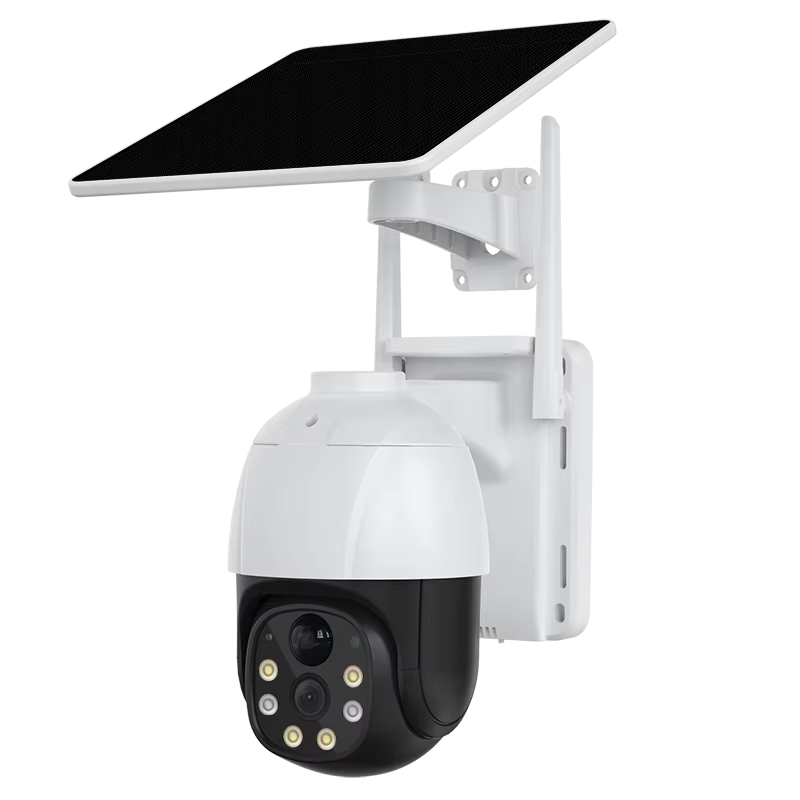
Understanding IP65: What It Means for Outdoor Camera Reliability
Decoding the IP65 rating: dust-tight enclosure and resistance to low-pressure water jets
The IP rating system tells us about how good an electrical enclosure is at keeping out things like dust and water. When it comes to outdoor cameras, getting an IP65 rating means two main things are covered: total protection against dust (that's what the first number 6 stands for) and being able to handle water sprayed from a nozzle under low pressure (the second number 5). Basically, these housings stop dust from getting inside at all, and can take on water coming in at around 12.5 liters per minute through a 6.3mm opening no matter which way it hits them. This kind of protection works pretty well in real life situations too. We've seen IP65 rated cameras keep working fine even when there's rain falling or maybe some accidental spray from garden sprinklers nearby. For homes and smaller businesses looking to install security systems without worrying about constant maintenance, these ratings make sense as long as we aren't expecting anything like full submersion or pressure washing.
IP65 vs. alternatives: why it's more robust than IP44/IP54 but less extreme than IP66–IP68 for typical outdoor camera use
IP65 finds a good middle ground when it comes to protecting cameras outdoors while still being practical enough for most installations. Ratings below this level such as IP44 which just handles splashes and IP54 with minimal dust resistance simply don't hold up well against strong winds carrying rain or airborne particles. Real world testing indicates these lower rated models tend to break down about three times quicker than IP65 equipped cameras in places where humidity is high near coastlines. On the other hand, higher ratings from IP66 through IP68 do provide better protection against heavy water pressure or even complete immersion in water, but honestly? That kind of robustness costs extra money somewhere between twenty to thirty five percent more to be exact and isn't really necessary for typical uses around homes like watching porches or securing areas under building overhangs. Most people installing security cameras outside will find that IP65 offers solid reliable protection without spending too much or dealing with complicated features they won't need.
| IP Rating | Dust Protection | Water Resistance | Ideal Use Case |
|---|---|---|---|
| IP44 | >1mm particles | Splashes | Sheltered indoor/outdoor |
| IP54 | Limited dust | Splashes | Partially covered areas |
| IP65 | Dust-tight | Low-pressure jets | Standard outdoor installations |
| IP66 | Dust-tight | Powerful jets | Heavy rainfall zones |
| IP67-68 | Dust-tight | Immersion | Flood-prone/industrial |
Why IP65 Is the Smart Baseline for Most Outdoor Camera Installations
Alignment with industry best practices and residential/commercial security installer standards
IP65 has become pretty much the baseline when it comes to weather protection for outdoor security cameras in most parts of the industry. Home installation pros tend to go with this rating for front doors and back porches, whereas businesses often pick it out for their parking areas and property boundaries. The dust proofing keeps moisture from getting inside where it could rust components or damage sensors over time. And those water jets? They stand up pretty well against regular rain showers no matter where you live. What makes IP65 so popular isn't just that it passes all the basic tests for toughness and reliability, but also because it doesn't come with the steep price tag attached to those top rated models. For most installations, especially ones on tighter budgets, IP65 offers good protection without breaking the bank.
Real-world validation: 78% of outdoor camera failures in humid coastal zones involved sub-IP65 units (UL 2023 Safety Report)
The UL 2023 Safety Report shows that around 78 percent of outdoor cameras failing due to weather problems in humid coastal areas were actually devices with ratings below IP65. Researchers looked at about 2,400 camera setups in places like Florida and parts of Southeast Asia. What they discovered was pretty telling: those cheaper models rated at IP44 or IP54 simply couldn't handle the salty air and constant dampness these regions experience. The combination of saltwater exposure and ongoing humidity really speeds up rust formation on metal components while causing lenses to fog over constantly. Cameras with proper IP65 protection kept working reliably though. This rating isn't something manufacturers throw in just for show when selling products for wet climates. It represents real protection against the elements that matters most for long term operation.
Optimizing Performance: Ideal Environments and Installation Practices for IP65 Outdoor Cameras
Best-fit locations: covered porches, eaves, carports — where IP65 delivers full value without overengineering
IP65 rated outdoor cameras work best when installed in spots that get some protection from above. Places like covered porches, building eaves, or carport areas make great spots for mounting these cameras because they keep the view clear while cutting down on direct hits from heavy rains or wind blown water. According to industry reports, about 8 out of 10 homes that install IP65 cameras in such protected locations don't have any weather related problems for at least three years. This means smart positioning gets the most out of what the IP65 rating offers without needing to spend extra money on equipment with higher ratings.
Pro installation essentials: correct tilt angle, drip loop routing, and avoiding downspout or sprinkler exposure
Getting proper installation right makes all the difference when it comes to IP65 protection actually working as intended. According to security experts, around 9 out of 10 weather problems that could be prevented happen because cameras aren't mounted correctly. The main things to watch for? Angle the camera body down between 15 to 30 degrees so rainwater doesn't collect on top. Always run cables with those little loops hanging down to keep moisture away from where they connect. And leave space - at least three feet away from gutters, sprinklers, or anywhere water tends to spray directly. These basic fixes let the IP65 rating do what it was designed for, which matters a lot since it won't stop damage from constant heavy pressure. Most installers see equipment lasting about 40% longer when these basics are followed.
Recognizing When IP65 Isn't Enough for Your Outdoor Camera Needs
Critical limitations: vulnerability to heavy sustained rain, freezing spray, dust-heavy industrial sites, or submerged scenarios
IP65 works great for everyday situations but does have its limits. It won't hold up well during extended periods of heavy rain lasting more than 15 minutes, something we see quite often in areas with monsoons. When water builds up pressure over time, those seals just aren't going to last as long as needed. Then there's the cold weather problem too. Freezing spray tends to form ice on camera lenses and around equipment seams, which makes things hard to see and messes with how machines work properly. Even though manufacturers claim these devices are dust tight, in reality fine particles from construction sites or desert regions find their way into those tiny gaps between components. This leads to blurry images and eventually causes problems down the road. And let's talk about water damage because this is really important. IP65 provides absolutely zero protection when submerged even briefly. A quick splash from waves or sudden floodwaters will likely fry the electronics inside. Field tests back this up completely. For proper protection against strong water jets, look at IP66 ratings. If temporary immersion is part of the scenario, then IP67 or IP68 standards become necessary to keep operations running smoothly without interruptions.
FAQ Section
What does an IP65 rating mean for outdoor cameras?
An IP65 rating indicates that the camera is completely protected against dust and can withstand water jets projected from a nozzle, making it ideal for standard outdoor use.
Is IP65 sufficient for all outdoor environments?
While IP65 is suitable for typical outdoor environments, it may not be sufficient for areas with heavy rain, freezing temperatures, or where there's a risk of immersion in water. In such cases, higher IP ratings like IP66 or IP68 might be necessary.
How does IP65 compare to other IP ratings?
IP65 offers better protection than IP44 and IP54 as it is completely dust-tight and can handle low-pressure water jets. However, IP66 and above offer more enhanced protection against strong water forces and immersion.
What are the installation best practices for IP65 outdoor cameras?
Proper installation involves tilting the camera to avoid water accumulation, ensuring drip loops are present in cables, and keeping the camera away from direct water sources like sprinklers.
Where are the best locations to install IP65 cameras?
IP65 cameras perform best under protective environments like covered porches, eaves, and carports, which offer added protection from direct weather conditions.
Table of Contents
- Understanding IP65: What It Means for Outdoor Camera Reliability
- Why IP65 Is the Smart Baseline for Most Outdoor Camera Installations
- Optimizing Performance: Ideal Environments and Installation Practices for IP65 Outdoor Cameras
- Recognizing When IP65 Isn't Enough for Your Outdoor Camera Needs
- FAQ Section