
 EN
EN
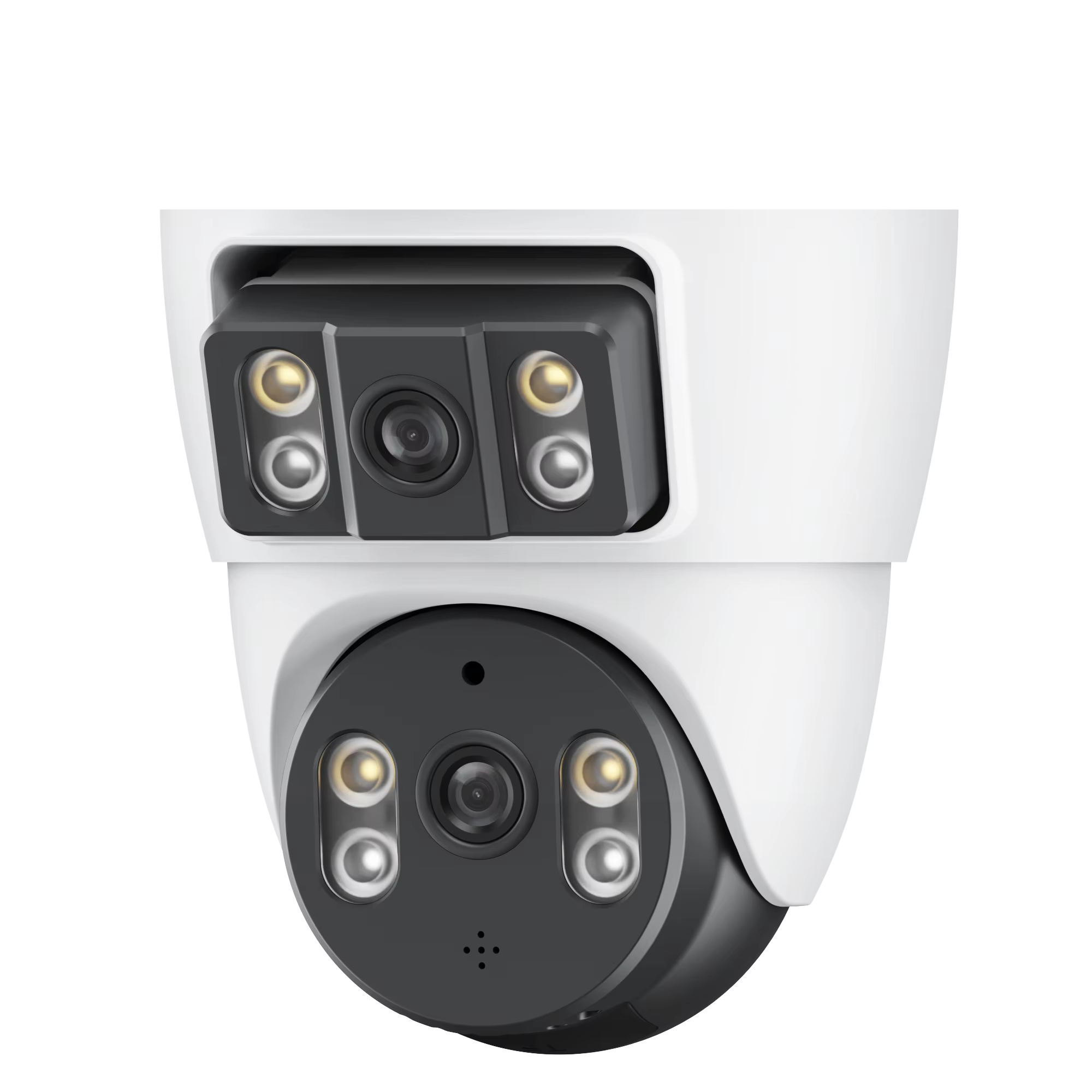
What Is a PTZ Camera and How Does It Work?
PTZ cameras, also known as Pan-Tilt-Zoom devices, are basically motorized video equipment allowing operators to control movement along three different directions. They can rotate horizontally all the way around (about 360 degrees), move up and down vertically within roughly plus or minus 90 degrees, and have actual lenses that zoom in on things far away. Digital zoom just makes images bigger by cutting out parts of them, but optical zoom works differently because it actually moves lens components to get closer to whatever needs to be seen clearly. Because of these features, one good PTZ camera can watch over large spaces with multiple levels like parking garages, big conference halls, or even sections of sports stadiums. This means installing fewer cameras than would normally be needed while still getting clear details from every angle.
Most operators manage PTZ cameras through either software on their computers or by using joysticks connected to IP networks. Better quality models come with preset position features that let people store favorite spots for quick access. Think about saving settings for places like building entrances, areas where valuable items are kept, or even stage setups at conferences. When something happens suddenly during an event or there's a security issue, these saved positions make it easy to frame exactly what needs monitoring without wasting time adjusting manually. While everything is happening, the camera keeps sending live footage all the while reacting almost immediately to whatever direction someone wants it to point. This combination of constant streaming and instant response turns PTZ cameras into versatile tools both for keeping watch and capturing important moments.
Critical PTZ Camera Features for Professional Applications
Optical Zoom, Resolution, and Low-Light Performance
When talking about professional grade equipment, an optical zoom range of at least 20x to 30x just isn't optional anymore if we want those sharp, detailed shots from afar without pixels getting all messed up. Combine that with a genuine 4K sensor and suddenly we can crop and frame our shots digitally without losing any of that precious image quality. Bigger image sensors, think around the 1/1.8" size, make a world of difference in low light situations because they actually collect more light. This means we still get decent footage even when things are pretty dark, like during night time security checks or inside those old school auditoriums where someone forgot to turn on the lights. All these specs together basically guarantee clear images no matter what kind of lighting challenges come our way, whether it's catching every detail of a presentation on stage or keeping an eye on inventory in a warehouse long after sunset.
Pan-Tilt Speed, Range, and Preset Capabilities
In professional settings where detail matters, having both wide coverage and pinpoint accuracy becomes essential. The camera needs to rotate all around from -30 degrees down to +90 degrees up so nothing gets missed whether looking at the ceiling or scanning the ground below. With variable speed controls ranging from just 0.1 degree per second up to 60 degrees per second, operators can create those smooth sweeping shots needed for live broadcasts while still being able to quickly move the camera when security situations arise. Preset functionality is another must have feature for serious operations. High end models typically come with storage capacity for over 100 different positions, accurate within less than 0.1 degree. This means cameras can be programmed to jump instantly to exact locations using either a remote control or through video management software interfaces. Such capabilities are absolutely necessary for running automated surveillance routines, capturing regular events like meetings or performances, and assessing emergency scenes without wasting precious time.
Top PTZ Camera Use Cases Across Industries
Live Streaming, Worship, and Education Environments
PTZ cameras make it much easier to create content when someone needs to operate them manually. For live streams covering events like sports games, music shows, or business meetings, one person can actually control different camera angles remotely. They can switch from broad views to close-ups just by pressing buttons on a controller or selecting preset positions. This means no need for several people manning different cameras around the venue. Churches and other places of worship really appreciate these cameras because they run completely silent with no vibrations. The programmed transitions move smoothly between important areas like the speaker's platform, choir section, and audience seating without any annoying sounds or obvious camera movements that might distract viewers. Schools are finding value too since automatic tracking keeps up with teachers moving around naturally during lessons. Plus, the 4K quality makes sure students watching online can clearly see everything written on whiteboards and displayed during presentations. And let's not forget about podcasters and teachers running blended learning classes who rely on clear sound quality thanks to these cameras' whisper-quiet operation.
Security Monitoring and Remote Site Management
PTZ cameras have become essential tools for security teams looking to cover perimeters effectively. The preset tour feature lets these systems automatically monitor key areas all day long, such as loading docks and entry points. Optical zoom capabilities are pretty amazing too, allowing operators to get clear images of things like license plates or faces even when they're over 300 feet away. At remote locations like cell towers, solar installations, or building construction sites, security staff can check on equipment status, confirm who has accessed restricted areas, or spot potential dangers simply by panning and zooming in on the scene, which saves both money and time compared to driving out there personally. Thermal imaging models work great in situations where visibility is poor, whether it's pitch black at night or thick smoke filling the air. And those IP66 rated enclosures? They keep working reliably no matter what Mother Nature throws at them, surviving heavy rain, dust storms, or scorching heatwaves. Pair these cameras with a Video Management System and security personnel receive instant alerts when movement happens, plus they can set up rules that trigger specific actions based on what the system detects, helping catch problems before they escalate.
How to Choose the Right PTZ Camera for Your Needs
Matching Specifications to Budget and Integration Requirements
When shopping for cameras, match specs to what they'll actually be used for rather than going for the fanciest options available. Most regular security work gets the job done with Full HD resolution, though anyone needing clear details for investigations or covering big areas should definitely go for 4K. Optical zoom is worth paying attention to too, especially anything with at least 20x capability. Digital zoom just doesn't cut it when trying to see things far away clearly. Check if the camera works with current systems through ONVIF standards before buying, and don't forget to look at those IP ratings if installation will happen outside or somewhere rough like factories. Night vision quality is super important wherever lights aren't always on, so keep an eye out for models rated below 0.05 lux. And remember, some features are essential while others are just extras. Auto tracking makes sense in places like classrooms where movement happens constantly, but probably isn't needed much around fixed positions like guard stations. Don't fall into the trap of buying way more than necessary either. Focus on what really supports day to day operations without breaking the bank.
FAQ
What is a PTZ camera?
A PTZ camera, or Pan-Tilt-Zoom camera, is a motorized video camera that allows movement in multiple directions for comprehensive coverage. It's equipped with a lens that can optically zoom in on distant subjects, offering high-quality images while covering extensive areas.
How do PTZ cameras differ from traditional video cameras?
Unlike traditional cameras, PTZ cameras offer motorized control, allowing them to pan (move horizontally), tilt (move vertically), and zoom. This flexibility enables them to monitor vast areas with fewer units, offering both broad and close-up views.
What are the key features to consider in a PTZ camera?
Key features include optical zoom capability, resolution (preferably 4K for high-detail applications), low-light performance, pan-tilt speed and range, as well as preset capabilities for quick and efficient repositioning.
In what industries are PTZ cameras most commonly used?
PTZ cameras are widely used in live streaming events, places of worship, educational institutions, security monitoring, and remote site management. Their versatility makes them valuable in environments that require comprehensive surveillance and dynamic content creation.
What should I consider when choosing a PTZ camera for my needs?
When selecting a PTZ camera, align its specifications with your intended use. Consider resolution, optical zoom, compatibility with existing systems, environmental resistance (IP ratings), and features like night vision if relevant to your setting.