
 EN
EN
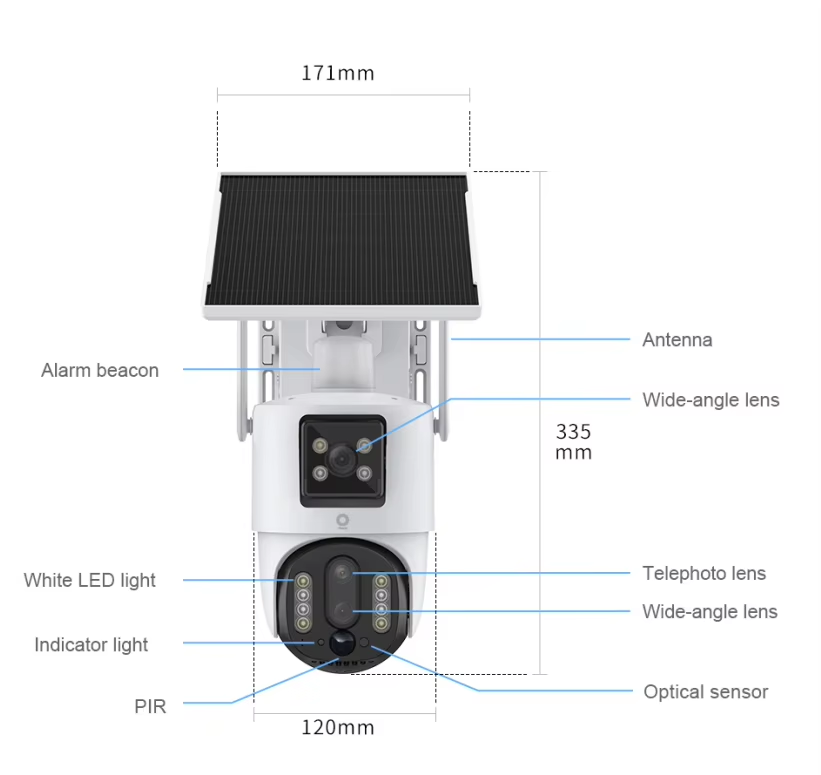
Key Safety Standards and Certifications for Commercial Security Cameras
NDAA Compliance, UL 2900-1 Cybersecurity Certification, and OSHA-Aligned Surveillance Requirements
When choosing security cameras that meet regulations, there are basically three main standards to consider. First up is NDAA compliance, which means making sure the camera doesn't contain parts from companies considered risky by national security standards. This protects places like government buildings and banks from potential problems in their supply chains. Then we have UL 2900-1 certification. Cameras with this stamp have gone through rigorous cyber security checks, and tests last year showed they had almost 98% fewer security holes compared to non-certified models. Lastly, OSHA guidelines matter for workplace safety. The idea here is to cover dangerous areas where workers might be at risk, think factory floors with heavy machinery or places storing chemicals. But it's just as important not to point cameras at employee break rooms or restrooms since nobody wants their privacy invaded at work.
| Standard | Primary Focus | Industry Impact |
|---|---|---|
| NDAA Compliance | Supply-chain integrity | Government/defense sites |
| UL 2900-1 | Cyberattack prevention | Financial/healthcare |
| OSHA Alignment | Worker safety | Manufacturing/warehouses |
When cameras have these certifications, they cut down on liability problems by around 57% according to the National Safety Council report from 2024. Plus, they meet what most insurance companies look for when assessing risk. The NDAA standard deals with hardware backdoors while UL 2900-1 focuses on software vulnerabilities, so getting both certifications covers different attack angles. For businesses wanting comprehensive protection, this dual approach makes sense. To stay compliant over time, regular encrypted firmware updates are a must along with physical housing that resists tampering. These features not only help during audits but also make it easier to defend against regulatory questions later on.
Optimal Security Camera Placement for Regulatory Coverage and Incident Prevention
Critical Zones: Entrances, Exits, Loading Docks, and High-Traffic Corridors
Strategic placement directly supports regulatory compliance and proactive incident prevention. Prioritize coverage in four high-impact zones:
- Entrances/Exits: Monitor all access points continuously to verify credentials, track personnel movement, and support forensic investigations. Position cameras to capture facial detail without compromising privacy—avoiding direct line-of-sight into sensitive interior spaces like HR offices.
- Loading Docks: Install tamper-resistant units with wide dynamic range (WDR) to document goods handling under variable lighting. These zones account for 38% of inventory loss incidents in warehouses (Logistics Security Report 2024), making clear, time-stamped footage critical for accountability.
- High-Traffic Corridors: Cover intersections and hallways where 67% of slip-and-fall accidents occur (OSHA Workplace Safety Data 2023). Video evidence here strengthens safety program validation and expedites liability resolution.
Mount cameras at a minimum height of 10 feet using vandal-proof housings to ensure unobstructed sightlines and deter physical interference. Overlapping fields of view between adjacent units eliminate blind spots—a requirement not only for incident reconstruction but also for meeting insurer and OSHA documentation expectations.
Commercial-Grade Security Camera Hardware: Durability, Integration, and Compliance-Ready Features
Vandal-Resistant Dome vs. Long-Range Bullet Cameras for Office, Retail, and Industrial Environments
When choosing hardware, it's important to match what the environment needs with what regulations and operations actually require. Dome cameras that resist vandalism are pretty much standard inside places like retail stores and office buildings these days. These usually have an IK10 rating and come with tough polycarbonate covers that can take a beating from accidental bumps or deliberate attempts at damage. On the other hand, outdoor areas and big industrial sites tend to need those long range bullet cameras equipped with around 30 times optical zoom capability plus infrared lights. They work great for catching license plate details even when vehicles are over 100 meters away and keeping watch on wide open spaces. Most modern installations benefit from PoE+ technology which makes setup easier since power and data go through one cable. Plus they play nicely with existing security software and access control systems thanks to their built-in compatibility features.
Models that follow NDAA guidelines simply remove parts from banned suppliers, whereas getting UL 2900-1 certified means the device can stand up to hacking attempts remotely. According to Verizon's 2023 report, these kinds of vulnerabilities actually show up in about 37% of all breach cases. The good news is that every piece of hardware meeting compliance standards has encryption built in for both data moving around and when it sits still, which helps companies meet those tough privacy rules like GDPR and CCPA. When thinking about how to deploy cameras, location matters a lot. Dome style cameras work great for places where customers walk by since they make it harder for someone to mess with them on the spot. Bullet cameras are better suited for spots like loading zones and parking areas where clear visibility along the edges just cannot be compromised if we want proper security coverage.
Data Management and Legal Safeguards: Retention, AI Analytics, and Privacy-by-Design
Meeting Audit Requirements: Video Retention Policies, Encrypted Storage, and GDPR/CCPA-Compliant AI Use
Good data governance forms the bedrock of being able to defend decisions legally and stay ready for audits. Companies should set up different levels for keeping video records. Regular camera footage typically stays around for about a month to three months, but we only keep it longer when there's actually been something that needs investigation. This approach helps maintain useful evidence while not wasting too much storage space and respecting people's privacy rights appropriately. Encryption matters a lot too. All recorded material needs to be protected from start to finish with AES-256 security measures. That applies whether the videos are moving across networks or sitting in storage somewhere. Without proper encryption, businesses risk facing serious consequences under regulations like GDPR which can slap them with fines equaling 4% of their worldwide income, or similar penalties under CCPA laws.
Putting AI analytics into action means following strict privacy rules from day one. Before processing video feeds, make sure faces get blurred out or replaced with tokens so no personal info slips through. Biometric scanning should stay limited to actual security needs, nothing beyond that. And absolutely never keep those raw biometric files around after they've served their purpose. The company needs to check access logs every three months too. These logs should show exactly who looked at what footage, when they did it, and why it was necessary. Getting proper consent isn't optional either. People need to know clearly what data gets collected and how it will be used. They must also have easy ways to say no if they want. Following these steps helps meet all the regulations coming down the pipeline while building real trust among customers and staff alike. At the end of the day, good privacy practices protect everyone involved.
FAQ
- What does NDAA compliance mean for security cameras? NDAA compliance ensures that security cameras do not contain components from companies deemed risky by national security standards, protecting places from supply-chain vulnerabilities.
- How does UL 2900-1 certification enhance security camera performance? UL 2900-1 certification indicates that cameras have undergone rigorous cybersecurity checks, showing enhanced resilience against security vulnerabilities compared to non-certified models.
- Why are OSHA guidelines relevant to security camera placement? OSHA guidelines are important for ensuring workplace safety, covering areas where workers might be at risk while respecting privacy in non-risk zones like employee break rooms or restrooms.
- What are the benefits of using PoE+ technology in security cameras? PoE+ technology simplifies setup by using a single cable for power and data, and ensures compatibility with existing security software and access control systems.
- Why is encryption essential in data management for security cameras? Encryption protects recorded video material from unauthorized access, helping businesses comply with privacy regulations like GDPR and CCPA, and avoiding penalties.
Table of Contents
- Key Safety Standards and Certifications for Commercial Security Cameras
- Optimal Security Camera Placement for Regulatory Coverage and Incident Prevention
- Commercial-Grade Security Camera Hardware: Durability, Integration, and Compliance-Ready Features
- Data Management and Legal Safeguards: Retention, AI Analytics, and Privacy-by-Design
- FAQ