
 EN
EN
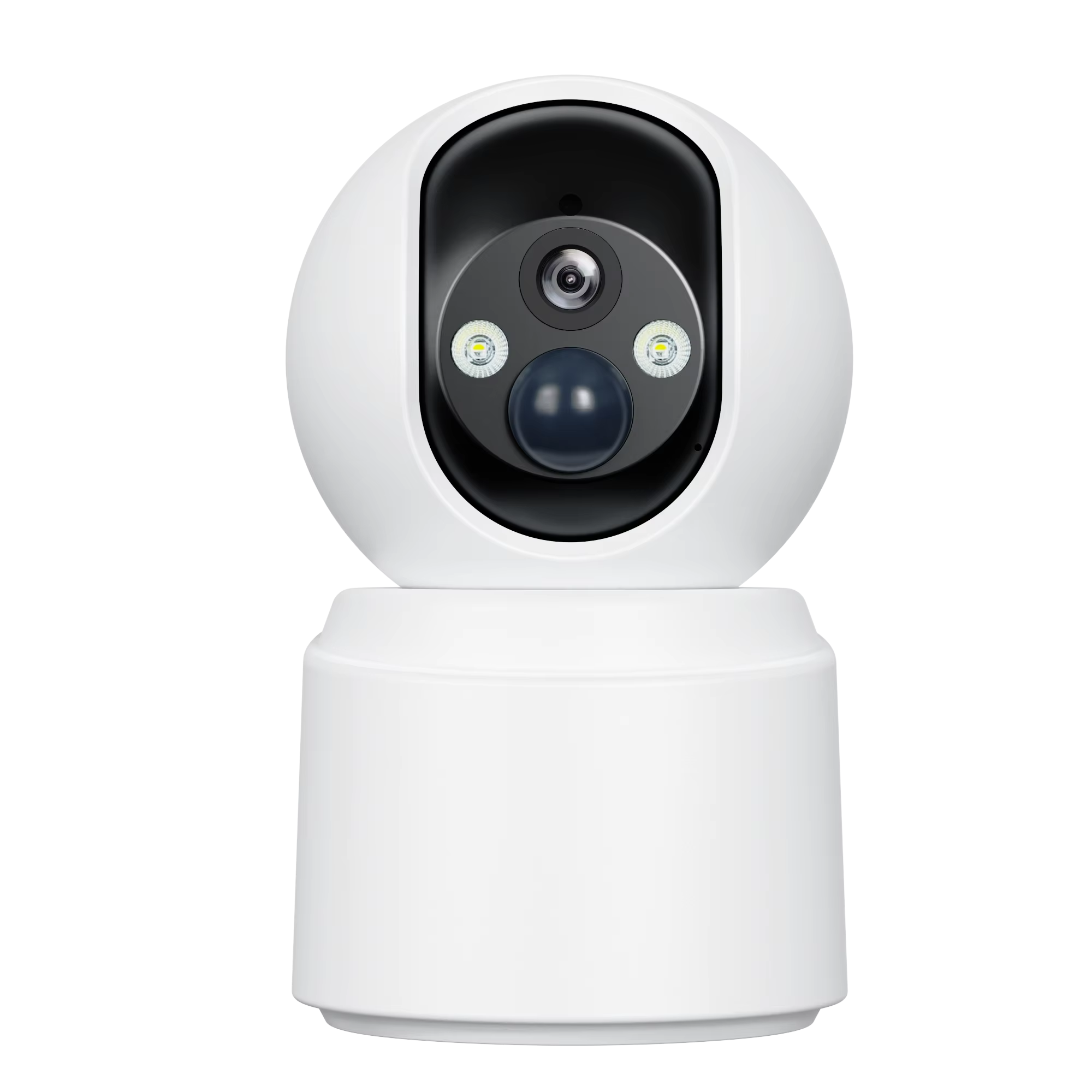
Core Bulk Customization Capabilities for CCTV Cameras
Firmware-Level Customization for Scalable CCTV Camera Deployment
When setting up enterprise level CCTV systems, companies need firmware that works with their specific operations without needing constant hands-on adjustments. With custom firmware solutions, security teams can set up whole batches of cameras at once, configuring everything from security protocols to how sensitive the analytics should be, plus all the compliance stuff needed for thousands of devices right before installation happens. Take thermal detection settings or those motion triggered recording parameters as examples they can standardize across the board rather than having to tweak each individual camera separately. Industry data shows that when organizations implement this kind of scalable firmware approach, configuration mistakes drop around 60 something percent. Plus it makes life easier when new security threats pop up because patches can go out remotely to every camera in the network without anyone climbing ladders or opening server rooms.
White-Label Branding and UI Skinning Across CCTV Camera Fleets
The ability to rebrand makes sure everything looks and works the same throughout surveillance systems from different vendors. Companies can put their own colors, client logos, and special dashboard designs right onto cameras and their mobile apps so they match what's in the brand guidelines. When operators see the same look everywhere, it makes learning how to use all these different pieces of equipment much easier. People get used to finding things in the same place, which helps them understand what's going on better when looking at multiple screens. Studies show that having consistent interfaces cuts down the time needed to train new staff by about 40 percent. That matters a lot for businesses with several locations since workers who know where to find stuff respond faster during emergencies or other situations requiring quick action.
Pre-Configured Network & Security Policies for Zero-Touch CCTV Camera Onboarding
Network templates that come preconfigured make it possible to activate systems securely right out of the box, ensuring strong security measures are already in place when devices first power on. When cameras arrive at their destination, they're equipped with built-in encrypted VLAN settings, access controls based on user roles (RBAC), and authentication through digital certificates. This means there's no need to worry about weak factory passwords or unsecured networks during those crucial first moments after installation. With zero touch provisioning, what used to take hours now takes just minutes for each individual device. The system automatically applies WPA3 Enterprise encryption standards along with MAC address filters throughout the setup process. These security features stop unwanted intrusions before they even start, plugging major vulnerabilities that often appear right at the beginning of how these devices operate in the field.
NDAA-Compliant CCTV Cameras with Verified OEM/ODM Authorization
NDAA Section 889 Compliance Verification for CCTV Camera Manufacturers
Section 889 of the National Defense Authorization Act stops federal agencies from buying equipment that includes parts from certain companies listed as covered entities. This means CCTV makers working with government clients absolutely need to check their compliance status. Businesses should thoroughly vet their OEM and ODM partners by doing proper supply chain audits and getting third party certifications like FIPS 140-2. To show they're compliant, manufacturers must provide complete lists of all hardware components, run firmware integrity checks with hash functions, and share detailed reports on where each part comes from. These steps help prevent security issues like hidden backdoors while keeping data encrypted throughout the system. Companies that don't meet these standards risk having their systems shut down completely and could get hit with fines over one million dollars each time they break the rules according to the Department of Defense report from last year. Getting ahead of these requirements now protects surveillance technology investments as federal regulations continue to get stricter month after month.
Authorized Distributor Pathways for Secure CCTV Camera OEM Fulfillment
Getting secure OEM fulfillment right really comes down to working with authorized distributors who follow NDAA compliant logistics rules. The good ones put lots of effort into things like tamper evident packaging so nobody tampers with stuff along the way. They track everything using blockchain technology from when it leaves the factory until it arrives at the installation site. Before deployment happens, they check the firmware through digital certificates that are properly signed this stops bad actors from injecting malicious code during shipping. Companies can monitor their orders through central online portals which show where things stand, what certifications have been completed, and when various compliance deadlines need to be met worldwide. Working with distributors that meet TAA requirements cuts down supply chain risks by around 78% based on those recent 2023 security reports we saw. Plus it makes scaling up much easier when companies need to deploy equipment across multiple locations at once.
Key Compliance Verification Metrics
| Verification Layer | Enterprise Requirement | Risk Mitigation Impact |
|---|---|---|
| Hardware Bill of Materials | Full component origin disclosure | 92% supply-chain risk reduction |
| Firmware Integrity Checks | Cryptographic hashing validation | Blocks 99% malware injection |
| Audit Trail Documentation | Real-time access logs for 7+ years | Meets NIST 800-171 standards |
| Third-Party Certifications | FIPS 140-2 / Common Criteria validation | Ensures federal procurement eligibility |
Enterprise Deployment Services for CCTV Camera Ecosystems
VMS and PSIM Integration for End-to-End CCTV Camera System Design
When CCTV cameras get connected to Video Management Systems (VMS) and Physical Security Information Management (PSIM) platforms, what was once just a bunch of separate devices becomes something much smarter and more effective for overall security. The way these systems work together lets central command centers take in real time video feeds while also connecting different alarm signals from doors and intrusion sensors. Then they can automatically respond to threats like locking down areas or sending staff when actual problems happen. Recent data from security operations in 2023 shows that this kind of system setup cuts down how long it takes to react to incidents by about 40 percent. What's really important is that all these policies stay the same whether looking at physical equipment or digital systems, so there aren't any gaps where things might not be monitored properly throughout large organizations.
Centralized Firmware Management and AI Analytics Calibration for CCTV Cameras
Keeping security tight while maintaining good performance in big CCTV setups really needs some kind of unified firmware control plus smart adaptability. With central management systems, companies can push out security patches to all their cameras at once, which fixes problems without messing up any special settings or sending techs running around the campus every week. For most large businesses, this cuts down on roughly 15 hours worth of manual work each week that would otherwise eat into budgets. The AI stuff gets smarter too when it comes to things like motion sensing, face recognition, and spotting weird activity patterns. When these systems learn from their environment, they make way fewer mistakes in busy places such as airports or shopping centers where people are constantly moving around. As camera networks expand over time, automated adjustments keep everything working properly without losing money on constant reconfiguration costs throughout the whole life of the system.
Frequently Asked Questions (FAQ)
What is firmware-level customization in CCTV cameras?
Firmware-level customization allows security teams to configure entire batches of cameras with personalized security protocols and analytics settings, reducing configuration mistakes.
How does white-label branding benefit CCTV camera systems?
White-label branding ensures a consistent look and feel across surveillance systems, simplifying learning and reducing training time for new staff by approximately 40%.
What are pre-configured network and security policies?
Pre-configured policies ensure strong security measures are in place from the moment devices power on, reducing setup time for new cameras.
Why is NDAA compliance crucial for CCTV camera manufacturers?
NDAA compliance prevents federal agencies from using equipment from specific entities and requires manufacturers to verify compliance status, safeguarding surveillance technology investments.
Table of Contents
- Core Bulk Customization Capabilities for CCTV Cameras
- NDAA-Compliant CCTV Cameras with Verified OEM/ODM Authorization
-
Enterprise Deployment Services for CCTV Camera Ecosystems
- VMS and PSIM Integration for End-to-End CCTV Camera System Design
- Centralized Firmware Management and AI Analytics Calibration for CCTV Cameras
- Frequently Asked Questions (FAQ)
- What is firmware-level customization in CCTV cameras?
- How does white-label branding benefit CCTV camera systems?
- What are pre-configured network and security policies?
- Why is NDAA compliance crucial for CCTV camera manufacturers?