
 EN
EN
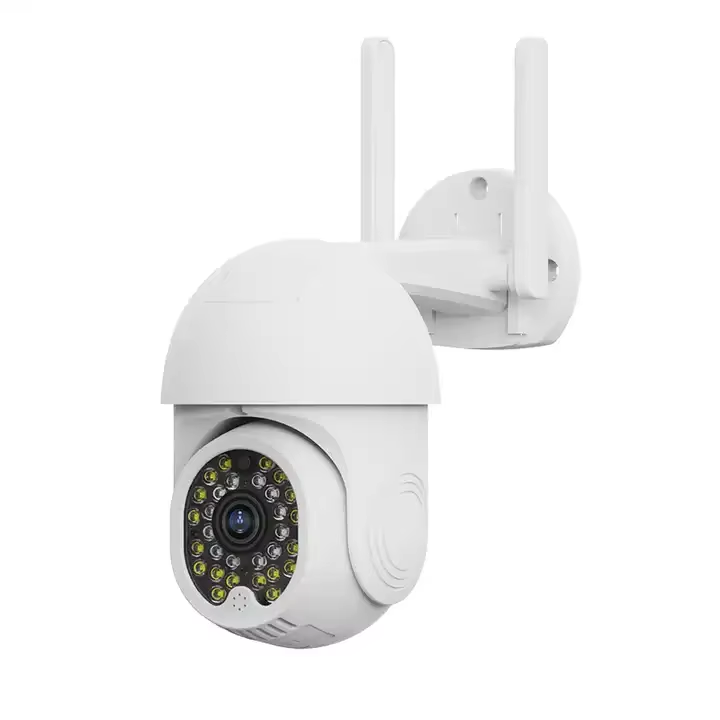
4G Signal Compatibility and Network Resilience in Remote Locations
How topography and infrastructure gaps impact 4G signal strength for security cameras
The rugged landscape poses real challenges for 4G signals. Mountains, thick woods, and valleys can cut signal strength anywhere between 20 to 40 dB because of all those natural barriers getting in the way. Things get even worse in rural spots where there aren't enough cell towers around to begin with. The signal gets weaker the farther away something is from a tower according to what's called the inverse square law. This means at certain distances, there are literally no signals at all, making security cameras useless when they need to send live footage. Getting camera placement right makes a huge difference. Putting them higher up generally cuts down on interference problems. Directional antennas also work wonders since they zero in on the strongest available signal paths instead of broadcasting everywhere randomly. Before installing anything though, it pays to do some signal testing on site first. Look for places where the Received Signal Strength Indicator (RSSI) stays above -100 dBm since anything below that tends to be unreliable for keeping surveillance systems connected properly.
Why multi-band LTE support (B1/B3/B5/B8/B20/B28) ensures broader carrier coverage
Cameras equipped with multi-band LTE can actually hop between different frequency bands to stay connected no matter which cell network they're on. Take for instance B28 at 700 MHz, this band works really well in outlying areas because it goes further, whereas B3 at 1800 MHz is better suited for cities packed with people and buildings. Cameras stuck on just one frequency band might lose connection completely if that particular signal isn't available somewhere, but those with multiple bands stay online on about 9 out of 10 networks worldwide. Looking at specific regions, B20 at 800 MHz helps signals get through walls and ceilings inside European buildings, while over in North America, B5 at 850 MHz covers vast rural stretches effectively. The real advantage here is avoiding dead spots. When a carrier's signal drops off, these smart cameras just switch over to whatever other network happens to be working nearby, all while keeping the video stream going without any interruptions whatsoever.
4G vs. LTE-M/NB-IoT: Evaluating performance for latency-sensitive remote monitoring
While LTE-M and NB-IoT are designed for low-power, intermittent data transmission, their 1–10 second latency makes them unsuitable for real-time security applications. Standard 4G delivers 200–800ms response times, critical for instant alerting during security breaches. Bandwidth also differs significantly:
| Technology | Avg. Latency | Data Throughput | Best For |
|---|---|---|---|
| Standard 4G | 200–800ms | 20–100 Mbps | HD video streaming, motion alerts |
| LTE-M | 1–2 seconds | 1 Mbps | Sensor data, periodic updates |
| NB-IoT | 2–10 seconds | 250 Kbps | Meter readings, non-urgent telemetry |
The limited throughput of LTE-M and NB-IoT restricts video resolution, making facial or license plate identification difficult. For reliable, high-quality remote monitoring, standard 4G remains the optimal choice due to its balance of speed, reliability, and compatibility with HD surveillance demands.
Truly Off-Grid Design: Eliminating WiFi and Ethernet Dependencies
Why reliance on WiFi or Ethernet undermines remote 4G camera reliability
When setting up surveillance in remote areas, regular WiFi and Ethernet just don't cut it most of the time. The signal from WiFi tends to fade after about 100 meters, while Ethernet cables get damaged easily by weather conditions or animals digging around them. Both options create big problems if something goes wrong since they rely on fixed infrastructure. Think about what happens during heavy storms, when critters chew through wires, or someone accidentally cuts a cable while working nearby – whole surveillance systems go dark. That's where 4G cameras really shine. These devices work on their own using mobile networks, so they keep running even if everything else around them stops working. For people who need constant monitoring in places without reliable power or internet access, this kind of setup makes all the difference.
Real-time alert performance: 4G latency (200–800ms) and motion-triggered response thresholds
The 4G connection in these motion activated cameras really makes a difference when it comes to getting alerts fast. Most models can send out warnings just over a second after detecting movement, which is pretty important if someone actually needs to respond quickly to an intruder. The cameras come with adjustable sensitivity settings that help cut down on those annoying false triggers from animals running past or leaves blowing around in the wind. At the same time, they still pick up on movements that are about the size of a person and will notify right away. This smart filtering saves data usage and means the batteries last longer between charges. When looking at how well these devices perform, there are several key numbers worth considering:
| Detection Parameter | Optimal Threshold | Impact on Performance |
|---|---|---|
| Motion Sensitivity | Medium (60–70%) | Reduces false alerts by 40% |
| Latency Tolerance | ≤800ms | Ensures <1.5s alert delivery |
| Object Size Filter | >0.5m² | Cuts irrelevant triggers by 55% |
Cameras using lower-latency bands like B1 or B3 prioritize speed, while AI-driven motion analysis verifies potential threats before initiating data transmission, enhancing both efficiency and accuracy.
Solar and Battery Power Solutions for Continuous 4G Camera Operation
Solar-powered 4G cameras: Sustaining uptime with 3.5 kWh/m²/day in low-sunlight regions
4G cameras that run on solar power don't need to be connected to the electricity grid because they turn sunlight directly into usable energy. Even places where there's not much sun exposure work fine for these devices. Take northern regions or heavily wooded areas for instance. The average daily solar input there is around 3.5 kWh per square meter, which still gives enough juice to keep things running. These cameras come with big lithium batteries rated between 15,000 and 20,000 mAh capacity. When night falls or clouds hang around for days, the stored energy keeps the camera active. According to what we've seen in the field, most setups will last anywhere from five to seven days without any direct sunlight at all. That makes them pretty reliable even when bad weather rolls in. Since they don't rely on outside power sources, solar powered models are great for monitoring construction zones, agricultural land, and conservation areas where laying cables just isn't practical or cost effective.
Optimized Surveillance with Dual-Lens and PTZ 4G Cameras
How dual-lens 4G CCTV reduces bandwidth use while enabling wide + detail views
Dual lens 4G cameras combine a fixed wide angle lens with a PTZ pan tilt zoom lens all in one device. The wide angle part keeps watch over the whole area constantly, whereas the PTZ component kicks in whenever there's movement detected to get those detailed close ups we need. What makes this setup so efficient is how it works the numbers. The system streams the wide angle view all the time but at a lower resolution, then switches to high res PTZ footage only when something happens. This approach cuts down on bandwidth usage somewhere around 30 to maybe even 40 percent compared to having two separate cameras running simultaneously. For places where internet connection isn't always reliable, like out in the field or rural areas, this kind of smart design means better security without blowing through data caps.
FAQ Section
How do natural barriers affect 4G signal strength?
Natural barriers like mountains and dense forests can significantly reduce 4G signal strength, with reductions up to 40 dB, impacting the performance of security cameras in transmitting live footage.
Why is multi-band LTE support crucial for security cameras?
Multi-band LTE support allows cameras to switch between different frequency bands to maintain connectivity, reducing the risk of losing connections even if one band is unavailable.
What are the advantages of using 4G cameras over WiFi and Ethernet?
4G cameras offer independence from fixed infrastructure, providing reliable operation even during disrupted or damaged connections due to weather or physical damage.
How do solar-powered 4G cameras perform in low-sunlight areas?
Solar-powered 4G cameras are designed to be effective even in low-light conditions, supporting operations through stored energy in batteries sufficient for several days without direct sunlight.