
 EN
EN
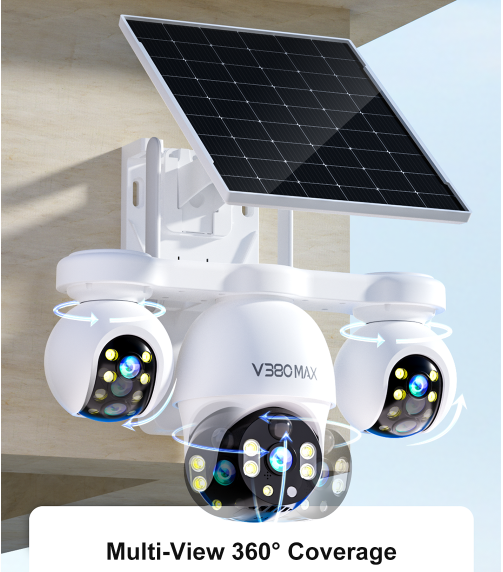
Superior Coverage and Flexibility for Dynamic Wide-Area Monitoring
Expansive Coverage: Leveraging PTZ Camera Pan, Tilt, and 360° Rotation for Large-Area Surveillance
PTZ cameras really stand out when it comes to monitoring because they can physically move around - panning all the way from 0 to 360 degrees and tilting up to 180 degrees. What this means practically is one camera can watch over 6 to 8 times more space than those fixed models stuck looking in just one direction. For big places like airports where security matters so much, this kind of coverage makes all the difference. A recent security report from 2023 actually showed that installing PTZ systems cut down on blind spots by almost three quarters at major international hubs. The magic happens when manufacturers combine their wide-angle lenses with those moving parts inside. Instead of needing someone to physically adjust the camera position, these smart devices follow action as it happens throughout vast areas automatically.
Eliminating Blind Spots with Full-Range Motion Control
Regular fixed cameras tend to leave coverage gaps everywhere, which means security teams often have to install multiple units just to cover the same area properly. That's where PTZ cameras come in handy since they can be programmed to scan specific spots repeatedly throughout the day. Think about those fence lines or loading docks where problems usually happen first. One big retail company actually saw their blind spot issues drop by almost 40% once they started using these PTZ systems across all their parking lot entrances. Pretty impressive when considering how many times people try to sneak through unnoticed. And let's not forget the downward tilt capability down to negative 45 degrees angle makes it possible to catch things happening right at ground level too, from reading license plates clearly to spotting suspicious behavior near building foundations that regular cameras would miss completely.
Reducing Camera Count by Replacing Multiple Fixed Units with Fewer PTZ Cameras
A single PTZ camera often replaces anywhere from four to six fixed cameras when covering large areas, which cuts down on infrastructure spending by roughly 60 percent based on recent 2024 surveillance return on investment studies. The whole setup makes things much simpler for wiring and network design, something that really matters at complicated locations such as solar farms where running fewer cables means less chance of problems during installation. Money saved on maintenance is another big plus. An actual oil refinery saw their yearly service bills fall by about half once they switched over to these PTZ systems instead of relying solely on fixed cameras throughout the facility.
Remote Operation and Real-Time Adjustments for Responsive Monitoring
Security staff now have the ability to operate PTZ cameras through built-in software interfaces, letting them zoom in when something looks off or track people moving around the area. This setup cuts down response time significantly compared to old-fashioned walking patrols - about three times quicker actually during those critical moments when someone breaks into restricted zones. The real power comes from making changes as events unfold. Transportation security folks back this up, reporting that their false alarm rates dropped by roughly 41 percent once they started confirming alerts while they happened instead of waiting for recordings later. Throw in some smart AI analysis tools and suddenly most of the tracking work gets done automatically. That means guards spend less time fiddling with cameras and more time dealing directly with whatever problems pop up.
High-Precision Zoom and Image Clarity for Long-Distance Observation
Optical Zoom Capabilities Enable Detailed Viewing of Distant Subjects
PTZ cameras these days come equipped with multiple focal lengths which helps keep things clear even when looking at objects far away. According to various security tech reports, models with around 40x optical zoom can actually pick out faces and read license plates from over 500 feet away. That kind of detail makes them really valuable for city surveillance work and protecting important facilities. Fixed cameras just don't cut it here since they need to be moved physically whenever someone wants a closer look. But PTZ systems handle this differently by combining regular mechanical zoom features with some pretty smart focusing technology. These systems can spot tiny details as small as 1 centimeter across in huge spaces like sports stadiums.
Digital vs. Optical Zoom: Ensuring Image Quality at Extended Ranges
When we talk about digital zoom, what happens is basically stretching those pixels until they look bigger than they really are. At around 4 times magnification, this artificial enlargement can lead to losing almost 9 out of 10 details in the picture quality. On the flip side, optical zoom works differently because it actually moves parts of the lens to get closer without sacrificing clarity. According to various industry reports, PTZ cameras equipped with both 25x optical zoom and 12x digital capabilities manage to recognize objects correctly about 94% of the time when looking at something 300 meters away. That's pretty impressive compared to regular fixed cameras which only hit around 61% accuracy under similar conditions. These numbers explain why these advanced cameras have become so essential for things like watching borders and monitoring traffic situations where clear visuals matter for taking real action later on.
High-Resolution Sensors Combined With Advanced Zoom for Forensic-Level Detail
Integrating 4K/8MP sensors with precision zoom lenses enables compound magnification for courtroom-admissible detail extraction. Testing shows that systems with 5MP resolution and 30x optical zoom deliver 60 pixels-per-foot clarity at 200 meters—sufficient to distinguish weapon types or read handwritten text in warehouse-scale settings.
Smart Tracking and Automated Surveillance Features of PTZ Cameras
Motion-Based Auto Tracking for Immediate Threat Response
PTZ cameras track movement across large spaces by following what moves around them. If someone gets into an area they shouldn't be in or if a car starts acting strange, these smart cameras will turn their heads and zoom in to keep watching. The quick reaction time makes all the difference in places where things can get dangerous fast, such as at busy airports or inside big manufacturing plants. According to research published last year in Security Tech Review, facilities that switched from regular fixed lens cameras saw about 38 percent fewer false alarms after installing PTZ systems.
AI-Enhanced Tracking Algorithms Improve Accuracy and Reduce False Alerts
PTZ cameras equipped with AI analytics can tell the difference between real threats like intruders and false positives caused by things such as leaves blowing around or animals moving nearby. The machine learning systems behind these cameras look at how objects move, their size, and even heat signatures to decide what's actually important. This helps cut down on all those annoying false alarms that happen so often when there are lots of animals or plants around. Some tests show this technology can slash false alerts by about two-thirds compared to older systems. What makes these cameras really valuable is that their software keeps getting better over time as it learns from what happens day after day, making them much more reliable against new kinds of security problems that might come up later on.
Operational Efficiency and Environmental Adaptability in Real-World Deployments
PTZ cameras combine automation with rugged design to meet demanding surveillance requirements. Their operational efficiency stems from features that reduce human intervention while maintaining adaptive, reliable coverage—even in extreme conditions.
Programmable Presets and Patrol Modes Ensure Consistent Coverage Without Manual Input
Preconfigured patrol routes allow PTZ cameras to autonomously scan designated zones, cutting operator workload by 37% in large-scale deployments (Security Tech Review, 2023). Presets enable instant repositioning to high-priority areas, ensuring continuous monitoring of critical assets during staffing transitions or emergencies.
Seamless Integration With VMS and Video Analytics Platforms for Intelligent Monitoring
Modern PTZ cameras integrate with video management systems (VMS) to correlate camera movement with access logs and sensor data, enabling layered security protocols. Advanced platforms use metadata from PTZ units to trigger alarms or automate forensic searches, reducing investigation time by up to 52% compared to fixed-camera setups.
Weatherproof and Rugged Designs Support Reliable Outdoor Performance
Built to IP66 and IK10 standards, PTZ cameras withstand harsh conditions including extreme temperatures (-40°C to 60°C), heavy rainfall, and airborne particulates. Reinforced gimbals maintain optical alignment despite constant repositioning, ensuring consistent performance in ports, mining operations, and other high-vibration environments.
Low-Light and Infrared Imaging Extend Surveillance Into Nighttime and Poor Visibility
PTZ cameras come with starlight sensors plus 850nm infrared lighting that gives them good visibility even when it's pitch black outside. These cameras can actually see clearly for around 120 meters at night, and they're still able to recognize faces from about 30 meters away according to what Night Vision Imaging Standards reported back in 2023. The adaptive infrared feature helps avoid washed-out images when there's fog or heavy snowfall. Smart exposure controls also keep license plates readable during those tricky times between day and night, like when the sun goes down or comes up again.
Real-World Applications Where PTZ Cameras Deliver Maximum Value
Urban Security: City-Wide Monitoring Using Networked PTZ Camera Systems
PTZ network systems offer city security crews a live look at what's happening throughout busy intersections, parks, and transportation centers. Regular cameras just sit there pointing in one direction, but these smart systems actually move around scanning whole neighborhoods with their pan tilt zoom capabilities. When big events happen like concerts or parades, security folks can zoom right into crowds with those powerful 30x lenses while still keeping an eye on everything else thanks to preprogrammed camera movements. According to research published last year, cities that switched to these PTZ networks saw their emergency response times drop by almost half when compared to old-fashioned fixed camera installations from years back.
Protecting Critical Infrastructure With Expansive and Adaptive Surveillance
PTZ cameras work really well at protecting places like power stations, train yards, and shipping terminals because they cover large areas while still letting security folks zoom in on details when needed. The security staff sets up full circle patrol paths so they can spot anyone trying to get in where they shouldn't or messing around with equipment spread out over big properties. When sensors pick up something suspicious, the operators can quickly point the cameras toward those trouble spots even if they're as far as a kilometer away. This kind of response time is actually highlighted in the latest Department of Energy recommendations from last year about keeping critical infrastructure safe. What makes these cameras stand out is their ability to stay clear no matter what's being looked at, whether it's checking fence lines for breaches or examining small components like valve connections on pipelines.
Retail and Parking Lot Surveillance Through Remote-Controlled PTZ Observation
Most retailers have started using PTZ cameras for keeping an eye on those critical spots like checkout counters, back storage rooms, and parking lots all through one main control panel. Some real world examples indicate that large retail chains cut down their total number of cameras by about half when they switched from static models to these remote PTZ versions that come with automatic tracking features. When it comes to parking structures specifically, the 120 dB WDR technology makes reading license plates possible even in tricky lighting conditions. And with nearly 350 degree panoramic coverage, there are no blind spots left uncovered. This comprehensive view helps prevent shoplifting incidents and captures important details during accidents, everything managed through just one integrated security system.
Frequently Asked Questions (FAQ)
What does PTZ stand for in PTZ cameras?
PTZ stands for Pan, Tilt, and Zoom, which refers to the camera's ability to move horizontally (pan), vertically (tilt), and zoom in on objects.
How do PTZ cameras compare to fixed cameras in terms of coverage?
PTZ cameras cover up to 6 to 8 times more area than fixed cameras due to their ability to rotate 360 degrees and tilt up to 180 degrees.
Can PTZ cameras reduce the number of cameras needed for an area?
Yes, a single PTZ camera can replace four to six fixed cameras, thereby reducing infrastructure and maintenance costs.
Are PTZ cameras suitable for outdoor use?
PTZ cameras are built to withstand harsh outdoor conditions according to IP66 and IK10 standards, making them reliable for outdoor installations.
How do PTZ cameras perform in low light conditions?
PTZ cameras equipped with starlight sensors and infrared lighting can effectively capture clear images up to 120 meters in total darkness and 30 meters for facial recognition.
Table of Contents
-
Superior Coverage and Flexibility for Dynamic Wide-Area Monitoring
- Expansive Coverage: Leveraging PTZ Camera Pan, Tilt, and 360° Rotation for Large-Area Surveillance
- Eliminating Blind Spots with Full-Range Motion Control
- Reducing Camera Count by Replacing Multiple Fixed Units with Fewer PTZ Cameras
- Remote Operation and Real-Time Adjustments for Responsive Monitoring
- High-Precision Zoom and Image Clarity for Long-Distance Observation
- Smart Tracking and Automated Surveillance Features of PTZ Cameras
-
Operational Efficiency and Environmental Adaptability in Real-World Deployments
- Programmable Presets and Patrol Modes Ensure Consistent Coverage Without Manual Input
- Seamless Integration With VMS and Video Analytics Platforms for Intelligent Monitoring
- Weatherproof and Rugged Designs Support Reliable Outdoor Performance
- Low-Light and Infrared Imaging Extend Surveillance Into Nighttime and Poor Visibility
- Real-World Applications Where PTZ Cameras Deliver Maximum Value
- Frequently Asked Questions (FAQ)