
 EN
EN
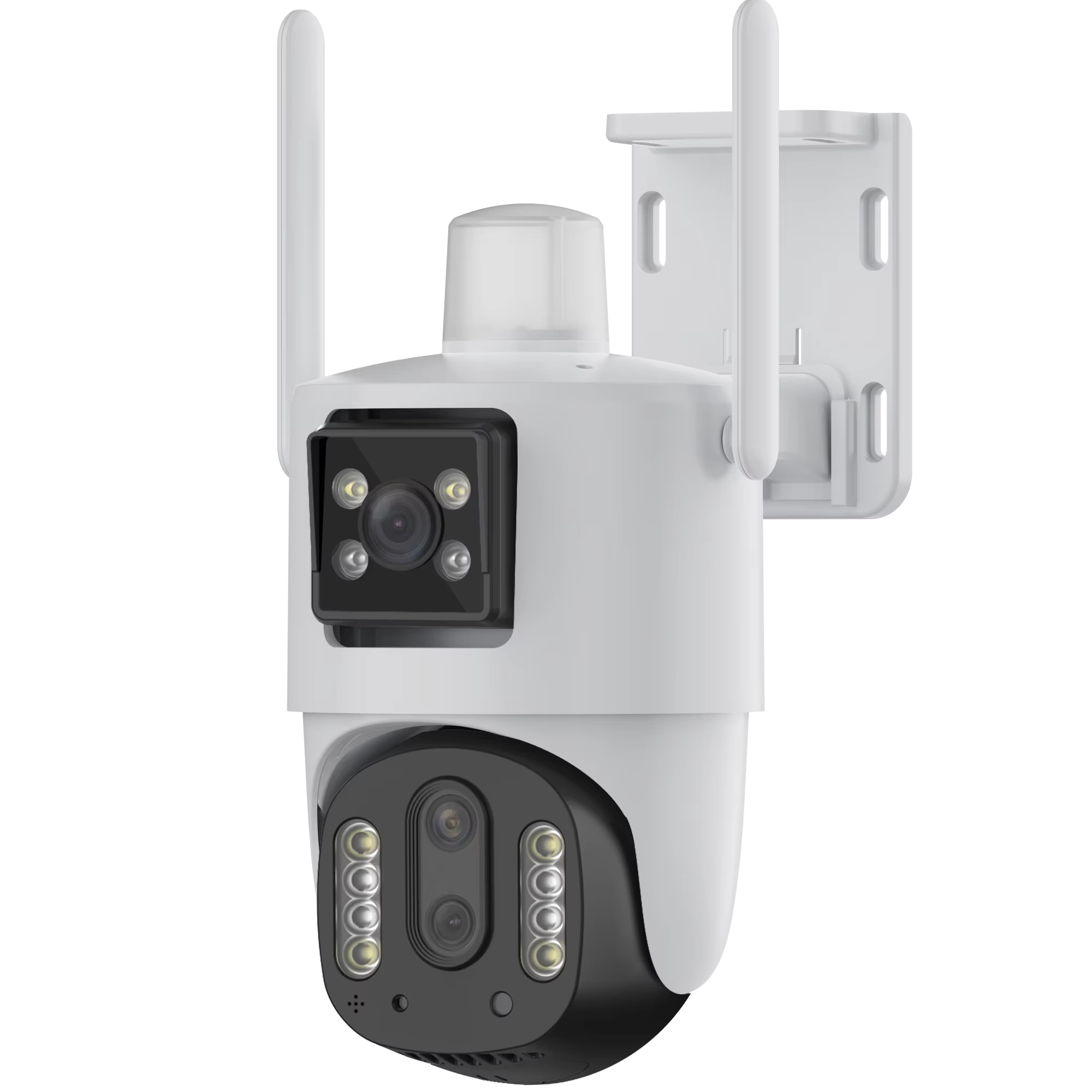
Why IP66 Is the Optimal IP Rating for Most Outdoor Cameras
Dust-tightness and powerful jetted water resistance: Why IP66 strikes the ideal balance
The IP rating system, which is standardized by IEC, basically tells us how well a device can handle intrusion from dust and water. When it comes to outdoor cameras, IP66 usually hits the sweet spot. The first 6 means completely dust tight so nothing gets inside. We're talking about keeping out all those tiny particles like sand, pollen, and that gritty stuff floating around cities that would otherwise mess up camera lenses or damage internal components. The second 6 refers to water resistance. This level protects against strong water jets coming from nozzles about 12.5mm wide at 100 liters per minute. That kind of protection covers pretty much anything nature throws at it including heavy downpours, rain blown sideways by wind, even regular pressure washing. IP67 and IP68 ratings go further by adding underwater protection, but honestly who really needs that for cameras mounted on walls or eaves? IP66 gives solid protection without making things too expensive or complicated, and has stood the test of time in various weather conditions worldwide.
Real-world validation: IP66 performance across storms, urban pollution, and high-dust environments
Cameras with an IP66 rating typically stay online over 95% of the time even when deployed in tough real world situations. Take areas prone to storms for instance these devices keep working through all sorts of nasty weather including hailstorms strong winds and downpours that would stop most other equipment dead in its tracks. In city centers where pollution hangs in the air these cameras handle soot from vehicles exhaust particles and dust kicked up by traffic without getting fogged lenses or accumulating dirt inside. For places that are dry or have lots of industrial activity where dust seems to be everywhere the sealed design stops dust from damaging sensors or wearing down moving parts over time. According to research published last year in the surveillance sector cameras not meeting IP66 standards ended up failing around three times more often when faced with harsh weather conditions. This makes IP66 basically the gold standard for anyone needing reliable outdoor camera performance day after day no matter what Mother Nature throws at them.
How IP Ratings Work: Decoding Solids (First Digit) and Liquids (Second Digit)
IP ratings provide a globally standardized, objective measure of environmental protection–replacing subjective terms like “weatherproof.” The two-digit code is defined by the IEC and precisely indicates performance thresholds:
- The first digit (0–6) measures solid particle ingress protection. A “6” signifies total dust-tightness–critical for outdoor cameras exposed to pollen, construction dust, or desert sand. Lower ratings (e.g., “5”) permit limited dust entry, which over time can impair optics and electronics.
- The second digit (0–9K) defines liquid resistance. For typical outdoor applications, “5” (low-pressure water jets) offers marginal coverage, while “6” (powerful directed jets) delivers robust defense against heavy rainfall and cleaning. Higher digits (“7”, “8”) denote submersion capability–valuable only in flood zones or underwater monitoring–not general-purpose outdoor surveillance.
This dual-digit framework enables precise equipment selection: dust infiltration clouds lenses and accelerates corrosion; moisture intrusion damages circuitry and causes condensation-related failures. Prioritizing both digits ensures long-term reliability where it matters most.
IP65 vs IP66 vs IP67 vs IP68: Choosing the Right Outdoor Camera Rating
IP65 vs IP66: The decisive difference for outdoor camera durability under heavy rain and pressure washing
Cameras rated IP65 can handle water jets at lower pressure levels around 30 kPa from a 6.3mm nozzle, which means they work okay during regular rain but struggle in heavier conditions. On the other hand, IP66 rated models stand up much better against stronger water forces like those coming from a 12.5mm nozzle delivering about 100 liters per minute at 100 kPa pressure. This makes all the difference when installing cameras where there might be heavy rains typical of monsoon seasons, intense storms with lots of wind driven rain, or areas needing periodic pressure cleaning. From what we see out in the field, IP65 cameras tend to show problems faster their seals start wearing out and lenses get fogged up after repeated exposure to harsh weather. Meanwhile, IP66 models keep performing well even through tough conditions without needing extra protection or complicated modifications.
IP67 and IP68: When submersion resistance matters–for flood-prone or underwater installations only
The IP67 rating means devices can handle being submerged temporarily, typically up to one meter deep for about half an hour. IP68 goes further, allowing continuous underwater operation at whatever depth the manufacturer specifies. Getting these higher ratings does come at a price though, usually around 15 to maybe even 20 percent extra when it comes to materials, testing requirements, and certification processes. Most importantly, they're really not needed for regular outdoor installations where cameras just sit on buildings or street poles. Save those expensive specs for situations where water exposure is actually unavoidable, like monitoring security around docks and dams, dealing with areas prone to flooding, or setting up equipment near coastlines that regularly face high tides. For almost all homes, businesses, and city projects where cameras get mounted under roof overhangs or attached to walls, IP66 provides plenty of protection from weather conditions without spending money unnecessarily on features nobody will ever need.
Matching Your Outdoor Camera’s IP Rating to Real Environmental Demands
Rain intensity, dust levels, cleaning methods, and temperature extremes: Practical selection criteria for outdoor cameras
Choosing the correct IP rating really depends on what kind of hazards actually exist at a particular site, not just hypothetical worst case scenarios we might imagine. Go for IP66 when dealing with places that get hit by monsoons regularly, face constant thunderstorms, or deal with those brutal wind storms that blow rain sideways. Dust is another big concern too. Think about construction sites where dust hangs in the air all day long, farms with tons of dirt kicked up, or cities near deserts where sand gets everywhere. Dust tightness matters a lot here because otherwise sensors can start drifting over time. Coastal areas present their own problems beyond regular rain exposure. Salt from sea spray gets into equipment and causes corrosion much faster than anyone expects in lower rated housing. Maintenance crews who need to pressure wash equipment will find IP66 absolutely necessary since IP65 just doesn't hold up against strong jets of water. Temperature swings create additional risks as well. Non weatherproof enclosures tend to crack when it gets below freezing or warp badly during extended heatwaves, which ruins seals no matter what IP rating they claim to have. The key takeaway? Match specifications to the harshest conditions that happen repeatedly at a location, not the occasional freak event. Most people find IP66 delivers great bang for the buck with solid protection, proven reliability in the field, and reasonable long term costs compared to other options available today.
FAQ
What does an IP66 rating signify for outdoor cameras?
An IP66 rating indicates that a camera is completely dust-tight and protected against powerful jetted water. This makes it ideal for outdoor use where exposure to environmental elements like rain, wind, and dust is common.
Why choose IP66 over IP65 for outdoor cameras?
While both IP65 and IP66 provide resistance against dust and water jets, IP66 offers stronger protection against more intense water pressure, making it better suited for environments with heavy rain and pressure washing.
When is an IP67 or IP68 rating necessary?
IP67 and IP68 ratings are only necessary for cameras that need submersion resistance, such as installations in flood-prone areas or underwater locations. For most standard outdoor cameras, IP66 is sufficient.