
 EN
EN
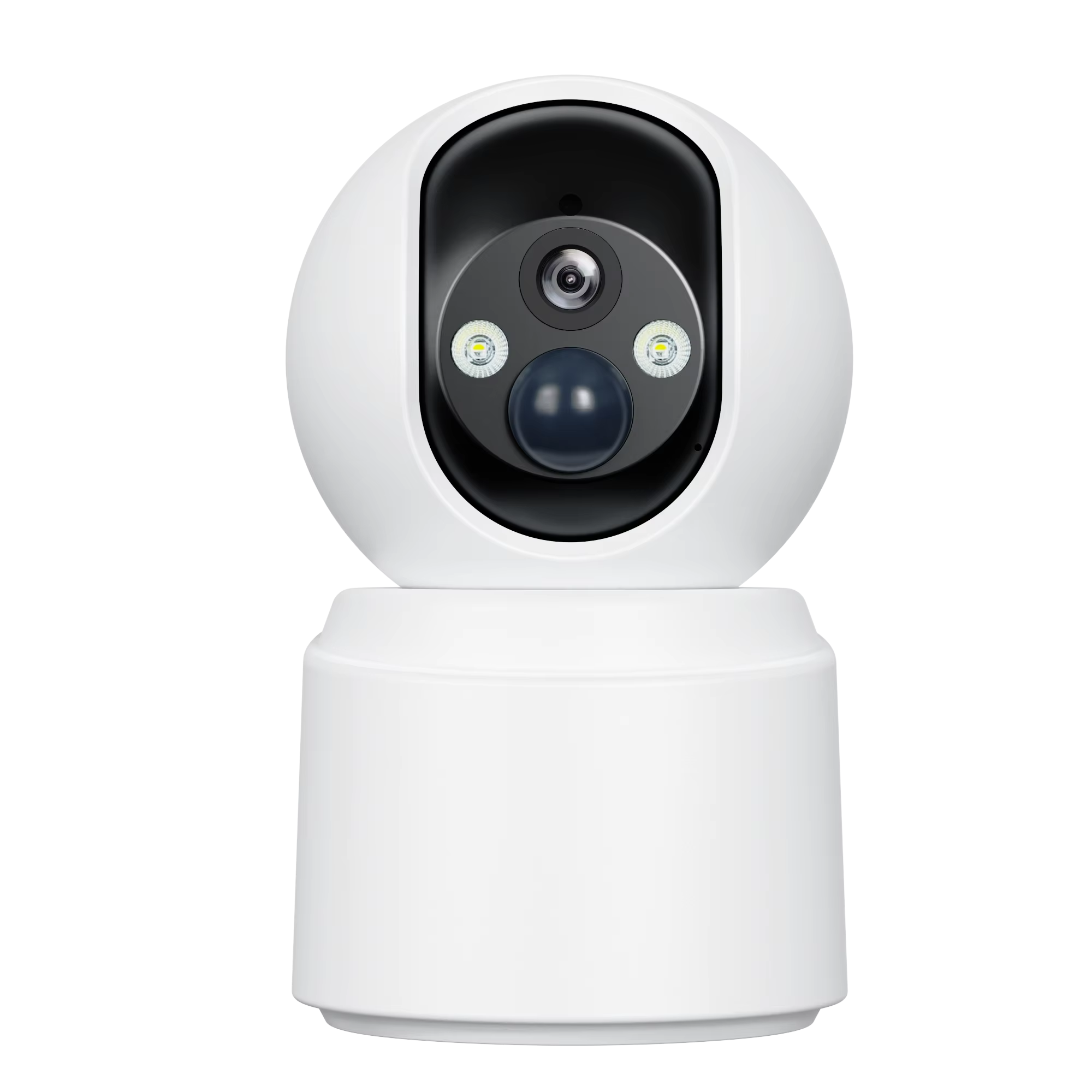
PTZ Cameras for Proactive Theft Prevention and Incident Response
Auto-tracking and intelligent motion detection to identify suspicious behavior in real time
PTZ cameras these days come equipped with smart AI features that spot movements and automatically follow them around, catching things like someone hanging out too long near expensive merchandise or strange behavior where cameras usually miss it. The difference between this active approach and just watching footage on a screen is pretty significant actually. Studies show operators make about 42 percent fewer mistakes when relying on these systems rather than trying to keep track manually according to Security Journal last year. Hooked into bigger security networks, these cameras get really good at telling the difference between regular shoppers browsing and people who might be up to no good, sending warnings straight to guards when needed. What makes them stand out though is their ability to keep following suspects even as they move through different parts of a store or facility, giving security teams precious extra time to respond before anything bad happens.
Optical zoom and high-resolution imaging for forensic identification (license plates, facial features)
PTZ cameras equipped with genuine 30x optical zoom and 4K resolution can actually capture detailed images suitable for court proceedings from distances exceeding 300 feet. They manage to read license plates at parking lot edges and pick out facial features near building entrances, even when lighting is poor or there's strong contrast between light and dark areas. The difference between optical zoom and digital zoom matters a lot here. Optical magnification keeps those pixels intact without stretching them, so there's no distortion that would make evidence unusable. According to research published in Digital Forensics Review back in 2023, this kind of image quality reduces the time needed to gather evidence after incidents by almost two thirds. That means investigators get what they need faster, which makes a big difference when preparing cases for prosecution.
Strategic Coverage Optimization with Fewer PTZ Cameras
Pan-tilt-zoom functionality enabling single-camera coverage of parking lots, perimeters, and warehouse aisles
PTZ cameras offer pretty impressive coverage capabilities with their 360 degree panning ability, around 90 degrees vertical movement, and that sweet 30 times optical zoom without any image quality loss. These features help cut down on those annoying blind spots we often see in big, complicated spaces. Imagine one camera watching over an entire parking area, getting close enough to actually read car license plates from over 200 feet away, yet still keeping an eye on everything happening around the edges. Warehouses have really benefited too. The automatic tracking feature keeps tabs on workers moving between shelves or following shopping carts through the aisles. According to Security Technology Review back in 2023, this kind of setup can slash the number of cameras needed at each location by somewhere between 40 to 60 percent. Instead of installing dozens of fixed position cameras everywhere, facilities now get smart coverage that responds to what's actually happening in real time.
Reduction in total camera count by up to 60%—lowering hardware, installation, and maintenance costs
Consolidating coverage with PTZ cameras significantly lowers total cost of ownership:
- Hardware costs fall 55–60% due to fewer units
- Installation complexity drops 70%—reducing wiring, mounting points, and labor
- Annual maintenance declines 45% through simplified diagnostics and part inventory
Large retailers realize $18,000–$27,000 in savings per location over three years by replacing fixed-camera networks with strategically deployed PTZ systems. One well-placed PTZ unit delivers the functional coverage of three fixed cameras—without sacrificing detail, responsiveness, or long-term manageability.
Coverage Efficiency: Fixed vs. PTZ Cameras
| Metric | Fixed Cameras | PTZ Camera | Improvement |
|---|---|---|---|
| Parking Lot Coverage | 5–7 units | 1–2 units | 60–70% reduction |
| Detail Identification | Limited FOV | 30x optical zoom | 8x clarity |
| Blind Spot Mitigation | High | Near-zero | 90% decrease |
Automated Patrols and Preset Tours for Consistent Risk Mitigation
Scheduled PTZ Tours Targeting High-Risk Zones: Entrances, Exits, Loading Docks, and Blind Spots
PTZ cameras run programmed tours that automatically scan key areas like entrances, exits, loading docks, and those pesky blind spots at set times throughout the day. What this does is fill in those annoying coverage gaps that happen when shifts change over, operators get tired, or someone just isn't paying attention. Retailers should take note because according to the NRF 2023 Security Report, about one third of all theft happens right in those blind spot areas. That's why keeping an eye on these trouble spots through automation makes such good sense for loss prevention. Take a typical scenario where the camera system focuses on capturing license plates at loading bays while deliveries are happening, then switches gears to monitor front entrances when customers start pouring in during busy hours. With this kind of targeted approach, stores see their average response time drop by around 40%. Staff members no longer need to constantly watch screens waiting for something bad to happen they can actually spend time looking for potential problems before they become real issues.
Remote Situational Awareness and Integrated Threat Response
PTZ cameras give security teams at the central office the ability to watch what's happening right now across several retail locations all from one main control room. When these cameras work together with things like access controls, door sensors, or alarm systems, they will automatically turn their lenses and zoom in on wherever something happens, showing what's going on almost instantly. This setup lets security folks actually see what triggered an alarm instead of just guessing based on sounds or signals. The guards can respond properly too - locking down areas if needed, calling police when appropriate, or telling store employees exactly what to do. They keep an eye on everything at the same time including those often overlooked spots like parking garages, back storage rooms, and customer shopping areas. According to recent research published last year in retail security journals, stores that have this kind of integrated system tend to resolve problems around 60 to 70 percent faster than those without it.
FAQs
What is a PTZ camera?
PTZ cameras refer to Pan-Tilt-Zoom cameras, which are security cameras capable of adjusting their view dynamically with pan, tilt, and zoom functions.
How do PTZ cameras help in theft prevention?
PTZ cameras employ smart AI features for auto-tracking and detecting suspicious behavior, thereby alerting security teams in real-time to prevent theft.
Do PTZ cameras reduce the number of cameras needed?
Yes, PTZ cameras can reduce the total camera count by up to 60%, optimizing coverage with fewer devices while lowering hardware and maintenance costs.
What is the difference between optical zoom and digital zoom in PTZ cameras?
Optical zoom maintains image quality by adjusting the lens, whereas digital zoom enlarges the image, which can lead to pixelation and reduced clarity.