
 EN
EN
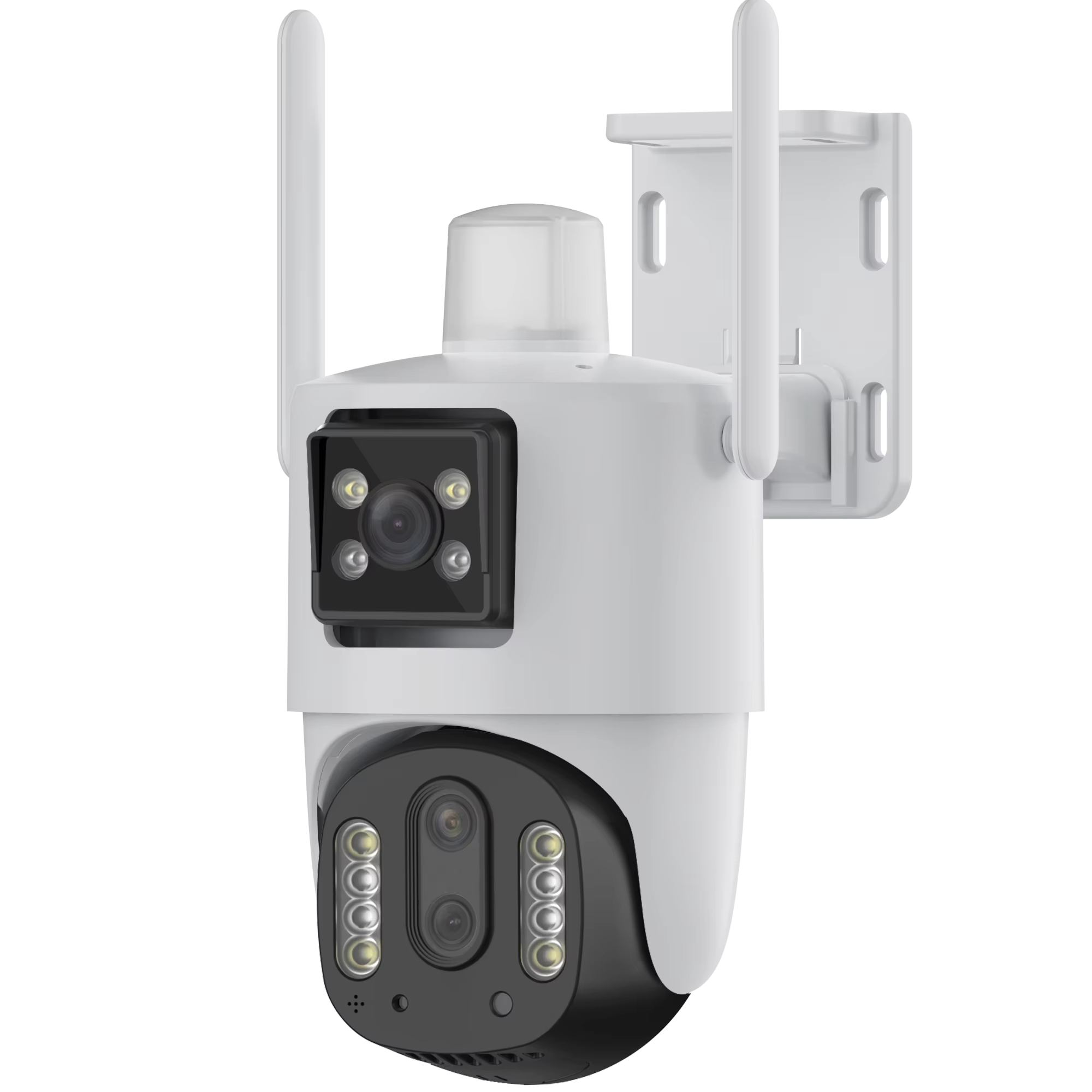
Key Indoor Camera Specifications for Small Retail Stores
Optimal resolution (2–4MP) and field of view (≥110°) for checkout, aisle, and entrance coverage
Small retail stores with less than 1,000 square feet typically work best with security cameras in the 2 to 4 megapixel range. The 2MP option at 1080p is generally considered good enough for recognizing faces from around 15 feet away, which covers most basic needs. Going up to 4MP gives extra sharpness when looking at license plates or trying to see smaller items on shelves from distances up to 30 feet. When choosing lenses, look for something with at least 110 degrees field of view but preferably closer to 120 degrees. This wider angle helps capture whole store sections including entry points without leaving gaps where things might go unnoticed. Cameras with 120 degree lenses actually cover about 40 percent more area compared to narrower 90 degree models. That means fewer cameras needed overall, making setup much easier especially in tight spaces where wall mounting options are limited.
Low-light performance essentials: color night vision vs. IR, and why f/1.6 or wider aperture matters indoors
When dealing with poorly lit storage rooms, inventory spaces, or late at night situations, good low light performance becomes absolutely essential. Cameras featuring an f/1.6 aperture or even wider can actually capture way more light compared to those with f/2.0 lenses. Tests have shown these wider apertures produce around three times as much usable video footage when there's not much illumination available. The infrared night vision option gives decent black and white monitoring out to about 30 feet, though it does lose all color detail which matters a lot when trying to spot what someone was wearing or check product packaging. Color night vision keeps colors looking right but needs at least some background light, so works better in places like brightly lit retail stores during evening hours. To get full coverage, look for cameras that pair large apertures with intelligent IR filters that automatically switch modes depending on how bright or dark things get.
Top Indoor Camera Types for Retail: Dome, Turret, and Covert Options
Selecting the right indoor camera type significantly impacts surveillance effectiveness in compact retail environments. Each design offers distinct advantages for monitoring high-traffic zones while minimizing blind spots.
Dome indoor cameras: vandal-resistant, discreet, and ideal for front counters and ceilings
Most businesses turn to dome cameras when setting up surveillance at the front of their stores because these models come with tough polycarbonate shells that resist tampering plus they look pretty unobtrusive. The round shape hides where the camera is actually pointing, making it harder for people trying to sneak past without being seen. This works especially well near registers and up on ceilings where visibility matters most. These cameras typically cover angles wider than 110 degrees, so they can watch over entire transaction areas without missing much. Plus, since they have fixed focus lenses, installation takes less time and there's not as much messing around needed later on in stores that get lots of foot traffic throughout the day.
Turret indoor cameras: adjustable lens angle and superior edge-to-edge clarity for corners and wide zones
Turret cameras bring real flexibility to complicated retail spaces. These cameras have adjustable lenses that can rotate all around both ways, so they can point exactly where needed whether it's those tricky corners, along the store edges, or down narrow passageways where regular dome cameras just don't work well enough. Compared to fisheye lenses, turret models keep things looking natural without weird distortions at the edges. They cover about 120 degrees or more, which means faces and product signs stay readable even when someone is standing off to the side. A lot of these cameras come with bigger f/1.6 openings and their own infrared lights built in too. That makes them really good for spots that get little light like back storerooms or loading docks where visibility matters but lighting is poor.
Strategic Indoor Camera Placement to Maximize Coverage in Under 1,000 sq ft Spaces
Mounting height (8–10 ft), tilt angles, and blind spot mitigation at entrances, registers, and high-theft zones
Install security cameras somewhere around 8 to 10 feet off the ground works best for most situations. They need to be high enough so people can't just reach up and mess with them, but not so high that faces get lost when customers walk past. Point those camera lenses down at an angle between 15 and 30 degrees towards areas that matter most. This helps cut down on annoying ceiling glare and problems with back lighting, making things much clearer near checkout counters and entry points. When placing cameras over door frames, make sure they're angled inward so they actually catch faces properly. For registers, tilt them about 20 to 25 degrees downward so staff activity and customer transactions remain visible without anything blocking the view. Stores should definitely pay extra attention to areas where theft tends to happen the most, especially places like electronics sections or pharmacy counters where roughly 60 percent of all organized retail crimes take place according to industry reports. Putting multiple cameras together in these hotspots creates overlapping coverage that fills in gaps behind display cases and shelf arrangements. Retailers who follow this method instead of randomly sticking cameras everywhere tend to see shrinkage drop by around 34 percent based on field studies conducted across different store formats.
Key placement considerations include:
- Entrance surveillance: Install cameras above doorframes with 110°+ field of view to track ingress/egress patterns
- Register monitoring: Use downward tilt (20–25°) to oversee transactions while avoiding ceiling obstructions
- Aisle coverage: Stagger cameras at aisle ends with cross-coverage to eliminate shelf blind spots
- High-value zones: Implement overlapping sightlines near electronics or pharmacy sections where 60% of retail theft occurs
Test views during peak hours and adjust tilt seasonally as natural lighting shifts—this proactive calibration ensures consistent, gap-free coverage year-round.
Critical Smart Features Every Small Retail Indoor Camera Must Support
Precision motion detection with customizable zones—ignoring benign traffic while alerting on shelf interference or loitering
Standard motion sensors tend to go off way too often in busy retail stores where people are constantly moving around. The newer AI based systems fix this problem by allowing businesses to set up specific monitoring areas like checkout counters or display cases while ignoring normal customer movement through store aisles. According to recent research from the National Retail Security Association, these smart systems reduce false alarm rates by approximately 60 percent compared to traditional models. What makes them really valuable though is their ability to spot suspicious behavior patterns. These include customers hanging around expensive products for extended periods, touching shelves multiple times, or spending an abnormal amount of time in certain sections of the store all of which often indicate potential shoplifting activity. When something looks fishy, store employees get instant notifications on their phones so they can check out what's happening before any actual theft occurs.
Two-way audio and local/cloud storage options for evidence integrity and remote response
With two way audio, what was once just watching becomes actual prevention. Staff members can actually talk to people through their phones when something looks off, which usually stops problems before anything gets stolen. When it comes to keeping records reliable, having two places to store stuff makes all the difference. Local SD cards keep everything safe even if the internet cuts out, and the cloud storage? That's encrypted so no one tampers with it, plus every recording has timestamps and can be pulled up from any location. Most businesses follow AES 256 encryption standards for both these storage options because courts need proof that hasn't been messed with, and data laws require certain protections too. The fact that there are backup systems means stores always have the footage they need, whether they're trying to figure out why cash registers don't match up or working with police on an investigation.
FAQ
What resolution should small retail stores consider for indoor cameras?
Small retail stores should consider cameras with 2 to 4 megapixels. These resolutions offer enough detail for facial recognition and monitoring specific items from various distances within the store.
Why are wider apertures important for indoor cameras?
Wider apertures, like f/1.6, allow cameras to capture more light, improving their performance in low-light conditions. This results in clearer footage, essential for security in poorly lit or shadowy areas within a store.
Which camera types are best for compact retail environments?
Both dome and turret cameras are well-suited for compact retail spaces. Dome cameras are discreet and resistant to tampering, while turret cameras offer adjustable angles and superior clarity, ideal for challenging layouts.
How should cameras be placed to maximize coverage in small stores?
Cameras should be installed at 8-10 feet high, with specific angles focusing on entrances, registers, and areas prone to theft. Overlapping sightlines ensure comprehensive coverage and reduced blind spots.
What smart features should every indoor retail camera have?
Retail cameras should support precision motion detection and customizable zones to reduce false alarms. Two-way audio and reliable storage options (local and cloud) ensure effective monitoring and evidence integrity.
Table of Contents
- Key Indoor Camera Specifications for Small Retail Stores
- Top Indoor Camera Types for Retail: Dome, Turret, and Covert Options
- Strategic Indoor Camera Placement to Maximize Coverage in Under 1,000 sq ft Spaces
- Critical Smart Features Every Small Retail Indoor Camera Must Support
-
FAQ
- What resolution should small retail stores consider for indoor cameras?
- Why are wider apertures important for indoor cameras?
- Which camera types are best for compact retail environments?
- How should cameras be placed to maximize coverage in small stores?
- What smart features should every indoor retail camera have?