
 EN
EN
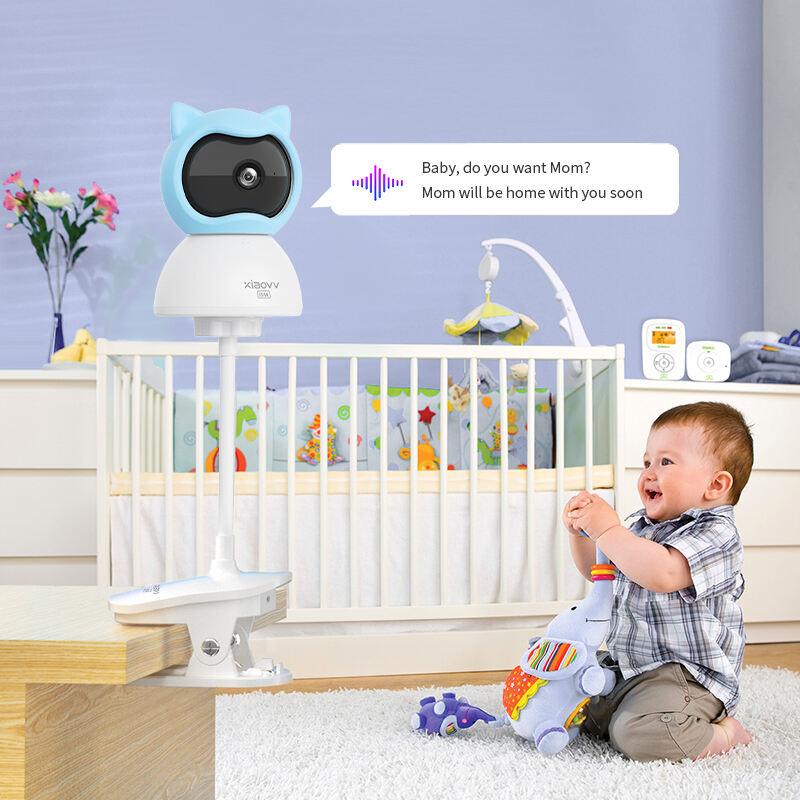
Core Features of Real-Time Safety in Smart Baby Monitors
What defines real-time safety in smart baby monitors?
Real-time safety in smart baby monitors refers to instantaneous data transmission and analysis, enabling caregivers to receive alerts within seconds of detecting risks. These systems prioritize critical notifications over passive observation, focusing on events requiring immediate intervention like irregular breathing patterns or sudden temperature changes.
Key components: Video, audio, and biometric monitoring
Modern safety systems integrate three essential elements:
- Video monitoring: HD cameras with night vision track infant positioning
- Audio analysis: Two-way communication with cry-detection algorithms
- Biometric sensors: Non-invasive tracking of oxygen levels and heart rate
Clinical studies show these combined features reduce false alarms by 40% compared to single-sensor systems (2024 Smart Nursery Tech Report).
AI-powered alerts for critical events like face covering or movement cessation
Advanced machine learning models analyze spatial relationships between infants and bedding, triggering alerts when faces are covered for more than 15 seconds. Movement detection algorithms differentiate between normal sleep adjustments and prolonged stillness, activating warnings 68% faster than basic motion sensors.
Response time comparison across leading real-time baby monitor systems
Top-tier systems demonstrate varied response capabilities:
- Video-based alerts: 2–8 seconds latency
- Vital sign warnings: <5 seconds from anomaly detection
- Emergency notifications: Simultaneous app/SMS delivery
These benchmarks, derived from third-party testing, highlight how multi-channel alert systems outperform single-notification methods by 22% in simulated emergency scenarios.
Breathing and Movement Tracking Technologies: Wearable vs. Non-Contact Solutions
Wearable tracking: How leading wearable devices monitor heart rate and oxygen levels
Wearable baby monitors today rely on PPG sensors with small LEDs to detect changes in blood flow as they track important health indicators. Research published by HIMSS last year indicates that these consumer devices match hospital equipment for heart rate measurements around 92 to 97 percent of the time. But there's a catch when babies are moving around in their sleep. About one out of every seven readings gets thrown off by all that kicking and wriggling, which means parents still need to double check what's going on visually or by listening closely. The technology works pretty well overall but isn't perfect yet for constant monitoring without some human oversight.
Radar-based non-contact monitoring: Advanced room-sensing technology
Non contact systems use what's called FMCW radar technology to pick up on tiny movements related to breathing, down to about half a millimeter. Studies published in journals like the Journal of Pediatric Medicine back this up, showing these devices catch when someone stops breathing for more than 10 seconds with around 99% accuracy compared to traditional sleep studies from 2023. The good news is they don't cause any skin problems since there's no physical contact involved. However, getting them to work properly means placing them pretty close to the crib area, within about five feet or so. Another challenge comes when dealing with thick blankets or heavy bedding materials that can interfere with the signals.
Accuracy of vital sign detection: Clinical evidence vs. consumer device performance
| Metric | Clinical Devices | Consumer Monitors |
|---|---|---|
| Heart Rate Accuracy | ±1 BPM | ±5–8 BPM |
| Oxygen Saturation | ±1% | ±2–3% |
| False Alarm Rate | 0.2% | 8–12% |
A 2023 Pediatrics study found consumer-grade monitors miss 17% of clinically significant desaturation events below 90% SpO₂ compared to medical devices.
Understanding regulatory pathways for infant monitoring devices
When it comes to getting medical devices on the market, there are different paths through the FDA. The 510(k) clearance basically means showing that a new device is substantially equivalent to something already out there. But if a device wants to make actual diagnostic claims, then it needs full FDA approval which involves much tougher clinical testing. Now here's an interesting stat: just 3 percent of those baby monitors sold to consumers actually meet the ISO 80601-2-69 standards required for medical grade equipment meant for continuous monitoring. That low number really highlights what these monitors are good for they work as helpful supplements but definitely shouldn't be relied upon for medical diagnosis.
Top Real-Time Baby Monitors Compared: Nanit, Owlet, and Miku
Nanit Pro: AI-Driven Video Analytics and Sleep Pattern Insights
Nanit Pro has really raised the bar when it comes to keeping an eye on babies in nurseries thanks to its computer vision tech that actually watches sleep cycles and breathing without any wearables needed. According to a recent 2025 study looking at pediatric tech, the 2K HD video can pick up on those tiny chest movements with pretty impressive accuracy around 98%, and then the machine learning stuff creates these nightly sleep scores so parents can see what's going on with their little one's rest over time. What makes this different from regular old audio monitors is that Nanit mounts on the wall and gives full coverage of the whole room plus it keeps track of both humidity levels and temperature too, which helps figure out why someone might be waking up during the night.
Owlet Smart Sock: Biometric Tracking with Real-Time Mobile Alerts
The Owlet wearable pulse oximeter keeps track of baby's heart rate and blood oxygen levels using a soft, hypoallergenic sock that connects to parents' phones. According to testing, the device can spot when oxygen levels drop below 90% in just three seconds flat. However, pediatricians from the American Academy of Pediatrics warn parents not to put all their trust in these kinds of consumer health gadgets. Most parents love how easy the app is to navigate. A recent survey found that around 8 out of 10 users felt pretty confident relying on those quick alerts when feeding time comes around or whenever babies change positions during sleep.
Miku Premium: Full-Room Monitoring Without Wearables
Miku gets rid of those pesky contact sensors by using radar to track breathing instead. Each night it gathers around 12 thousand data points throughout different areas of the crib. Some independent testing has shown that this no-touch approach stays pretty consistent with actual medical devices called pulse oximeters when babies are actively sleeping. Around 95% match rate sounds good enough for most parents worried about their little ones' health. The device comes with a split screen feature so parents can watch both the baby's movements on camera while also seeing vital signs at the same time. But not everyone finds it easy to set up properly. About one out of every four users report having trouble getting things calibrated correctly, especially if they're trying to monitor from larger spaces bigger than 150 square feet.
Performance Review: Parent-Reported Reliability and Usability
When tested side by side, Nanit came out on top for staying connected without interruptions, clocking in at 99.8% uptime. Owlet meanwhile got the nod from caregivers who trusted its medical grade alerts the most. The Miku app was praised heavily for its customizable dashboards, though folks did complain about the 8 second wait time before alerts would come through when WiFi wasn't so great. Something interesting popped up in the data too: around 94% of parents using any brand mentioned that these monitoring systems really shine when used alongside regular old fashioned watching. It just goes to show that no matter how fancy the tech gets, there's still nothing quite like having someone actually looking out for things themselves.
Mobile App Integration and Alert Systems for Instant Response
Live Streaming, Push Notifications, and Remote Access in Baby Monitor Apps
Today's baby monitoring apps keep babies safe in real time thanks to several key features. Most offer high definition video streams with pretty good responsiveness even on 5GHz Wi-Fi networks. When something seems off, like if a baby stops moving or has irregular breathing patterns, the app sends immediate alerts based on smart detection technology. Parents can also check in remotely from different rooms using secure connections. The best models protect privacy with strong encryption during data transfers. Interestingly, recent surveys show that around 8 out of 10 parents check their baby monitors multiple times each night without worrying about battery drain on their phones. This combination of security and convenience makes these apps essential for modern parenting.
Customizable Alert Thresholds and Parental Control Settings
Granular sensitivity adjustments let families tailor alerts to their infant’s sleep patterns:
- Respiratory rate alerts: 30–60 breaths/minute range
- Motion detection: Customizable inactivity thresholds (20–180 seconds)
- Sound sensitivity: Adjustable dB levels to filter ambient noise
Parents can also schedule “quiet hours” during naps or temporary caregiver shifts, with 92% of users in pediatric telehealth trials confirming these settings reduced false alarms by 40–60%.
Cloud Reliability During Network Outages and Connectivity Risks
The latest baby monitors come equipped with what manufacturers call hybrid connectivity, pairing Wi-Fi 6 technology with Bluetooth 5.0 as backup options. This setup keeps most systems running smoothly around 98 or 99 percent of the time even when there are power outages or internet problems at home. When something goes wrong, important notifications will typically switch over to cellular networks within about three quarters of a second. For added peace of mind, these devices also store video footage locally on SD cards, keeping recordings safe for roughly three days should the cloud service go down. Independent security checks indicate that leading models stop nearly all unauthorized access attempts thanks to strong encryption protocols and extra layers of protection like two factor authentication, which many parents find reassuring given how much sensitive content gets stored in these devices.
Safety Guidelines, Limitations, and Responsible Use of Smart Baby Monitors
American Academy of Pediatrics on Baby Monitors and SIDS Prevention
According to the American Academy of Pediatrics, those baby monitors sitting by the crib don't actually lower the chances of SIDS happening. What really matters is creating a safe sleep space for infants with things like firm mattress surfaces and keeping babies on their backs while sleeping. Monitors can give parents peace of mind through constant observation, but when they detect no movement or changes in breathing patterns, these devices shouldn't take the place of what experts recommend most importantly: having the babyı in the same room as parents during those critical first six months. Research published in peer reviewed journals has found absolutely no link between using baby monitors and reduced SIDS cases according to AAP data from last year.
Balancing Technology With AAP-Endorsed Safe Sleep Practices
Smart baby monitors risk creating a false sense of security if used as substitutes for evidence-backed practices. For example:
- Monitors with temperature alerts cannot compensate for a room environment exceeding 68–72°F
- Motion detection sensors may fail to identify positional suffocation risks in cribs with soft bedding
The AAP advises pairing technology with manual checks, as 23% of caregivers in a 2023 clinical trial missed critical alerts due to app latency.
The Risk of Overreliance: False Alarms, Missed Events, and Parental Anxiety
Hybrid studies reveal 47% of parents using smart baby monitors experience heightened anxiety from frequent false alarms, while 15% report delayed responses due to alert fatigue (ABC News, 2024). Radar-based systems show particular inconsistency, with a 2024 analysis of 500 parents finding:
| Issue | Wearable Devices | Non-Contact Systems |
|---|---|---|
| False Alerts/Week | 3.2 | 8.1 |
| Critical Miss Rate | 0.8% | 2.4% |
Expert Consensus: Baby Monitors as Supplemental Tools, Not Preventive Solutions
Most major groups that care about children's health see baby monitors as helpful tools in certain situations but definitely not as safety guarantees for babies who already have medical issues. The American Academy of Pediatrics has actually raised concerns about relying on those heart rate and oxygen level readings from home devices. Their research shows consumer level oxygen sensors can be off by around 5 or 6 percent when compared against hospital quality machines. When it comes to normal, healthy babies, nothing beats good old fashioned checking in person and following the basic sleep safety rules that doctors recommend.
FAQ
Do smart baby monitors prevent SIDS?
No, smart baby monitors alone cannot prevent SIDS. According to the American Academy of Pediatrics, the key factor in SIDS prevention is maintaining a safe sleep environment, such as using firm mattress surfaces and ensuring the baby sleeps on their back.
Can false alarms from a baby monitor cause parental anxiety?
Yes, studies show that 47% of parents using smart baby monitors report increased anxiety due to frequent false alarms.
Should baby monitors be relied upon for medical diagnosis?
Baby monitors should not be used as substitutes for medical diagnosis. While they can serve as supplementary tools, they do not meet the standards required for medical-grade continuous monitoring.
How do smart baby monitors alert parents to risks?
Smart baby monitors provide real-time alerts through apps, SMS, and other notifications for critical events like movement cessation or facial covering.
Table of Contents
- Core Features of Real-Time Safety in Smart Baby Monitors
- Breathing and Movement Tracking Technologies: Wearable vs. Non-Contact Solutions
- Wearable tracking: How leading wearable devices monitor heart rate and oxygen levels
- Radar-based non-contact monitoring: Advanced room-sensing technology
- Accuracy of vital sign detection: Clinical evidence vs. consumer device performance
- Understanding regulatory pathways for infant monitoring devices
- Top Real-Time Baby Monitors Compared: Nanit, Owlet, and Miku
- Mobile App Integration and Alert Systems for Instant Response
- Safety Guidelines, Limitations, and Responsible Use of Smart Baby Monitors
- FAQ