
 EN
EN
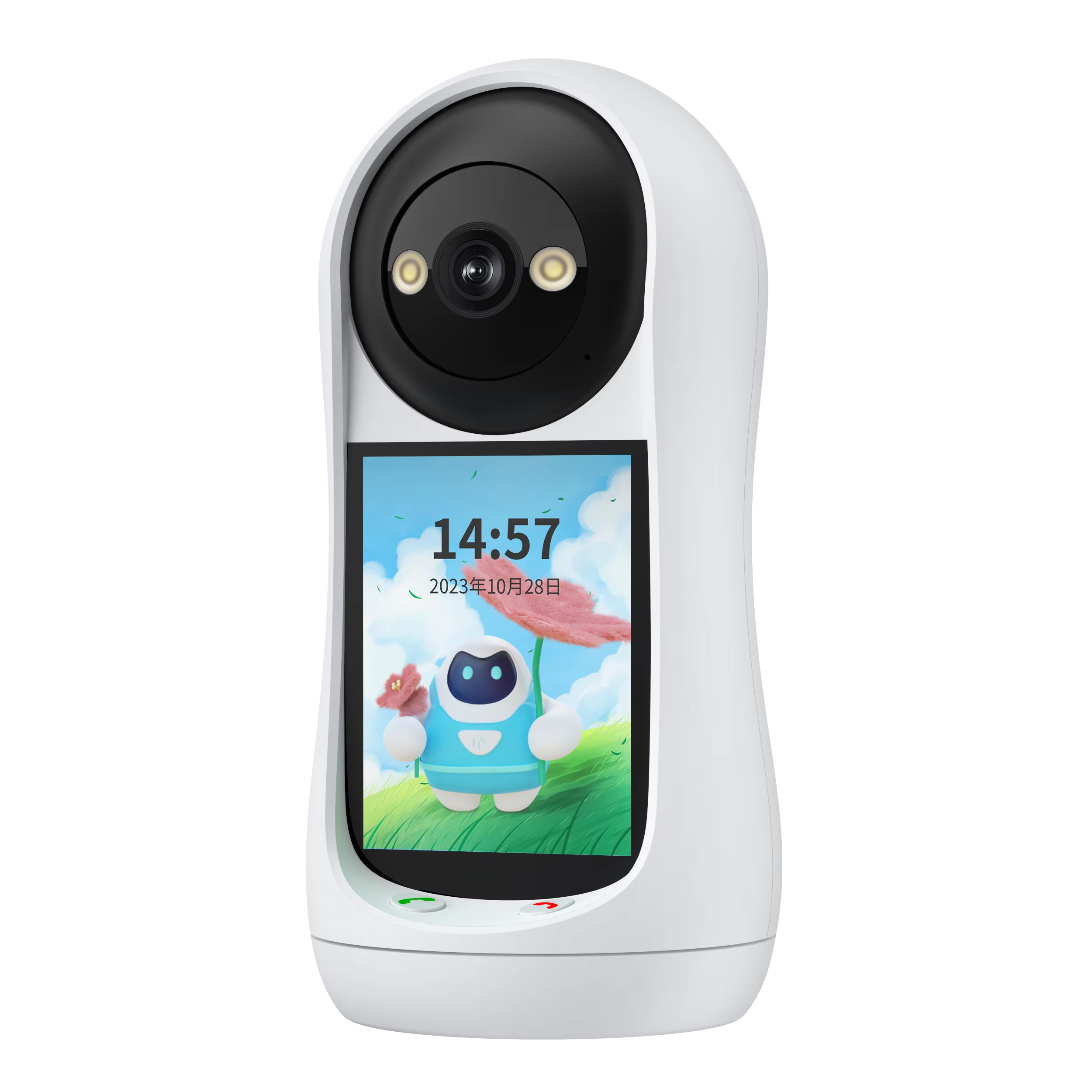
Why Motion Detection and Two-Way Audio Are Essential in Modern Security Cameras
Security cameras today aren't just for recording anymore but actually help prevent problems before they happen. The motion detection feature cuts down on those annoying false alarms by telling the difference between something important happening and stuff that doesn't matter much, like when leaves blow around or shadows move across the screen. Getting this right means less wasted storage room on our devices, longer lasting batteries, and fewer interruptions from alerts that don't really need attention. People stop getting overwhelmed by constant notifications and can focus better on what's actually going on around them.
Two way audio turns passive watching into active doing right when it matters most. The system picks up on unusual movement and then lets people talk through the built in speaker. This means homeowners can shout warnings at anyone trying to break in or tell delivery drivers exactly where to leave packages safely. People who have this feature report feeling much safer knowing they can respond immediately if something looks wrong. Combine motion sensors with this talking capability and what happens? We get security that stops problems before they start instead of just recording what already went down. Most smart home owners find this combination works better for actual protection compared to systems that only film everything without letting anyone do anything about it in time.
Top 5 Security Cameras Combining Reliable Motion Detection and Clear Two-Way Audio
Selecting security cameras with precise motion detection and crisp two-way audio requires balancing technical capabilities with real-world performance. The following models demonstrate exceptional implementation of both features across different price points and use cases.
Stick Up Cam Pro (2024): Best Overall for Indoor/Outdoor Flexibility
The weather proof camera works really well in those in between areas such as garage spaces or shaded outdoor patios. With a wide angle lens covering around 153 degrees and motion sensing technology that actually uses radar inside, this model cuts down on annoying false alarms caused by trees moving in the wind by about 40 percent when compared against cameras that only rely on infrared sensors. The two way audio feature lets people talk while also hearing what's going on at the same time without any distortion issues, plus there's built in wind noise reduction that makes conversations clearer even during storms. People can install this thing in different ways too since it comes with choices for regular wiring, wireless setup, or even solar panels powering it, which means both folks renting apartments and house owners can get good coverage without worrying about complicated installations.
Pro 5S: Superior AI-Powered Motion Accuracy and Noise-Canceling Audio
The AI at the edge can tell apart people, cars, and critters with pretty impressive accuracy around 99% based on what labs have tested. This means it only sends out alarms when something actually matters. For hearing things clearly, there are two mics that work together to pick up voices even when background noise is loud, and they can do this from as far as 25 feet away. The built-in speaker isn't shy either, putting out 110 decibels so warnings can be heard properly. There's also this neat trick where the system turns on its listening mode automatically during specific times set by the user, which helps save power when nobody needs to be watching all day long.
Argus 4 Pro: Budget-Friendly Security Camera with Local AI and Full-Duplex Audio
This solar powered camera brings high end features to a price point most can afford. What makes it stand out? It handles all the motion analysis right on device, so no monthly cloud fees needed despite lightning fast reaction times under 0.3 seconds. The motion detection actually adjusts itself according to lighting changes around it. Pretty smart stuff really. And the audio system is pretty clever too, switching between different modes automatically when internet connection gets shaky. Oh, and there's something called privacy zones included in the box. These let folks block off specific spots where neither audio nor video gets recorded, which comes in handy for places like busy sidewalks or other public spaces where people might not want their image captured.
Key Technical Considerations When Evaluating Security Camera Motion Detection
AI Classification (Person/Vehicle/Animal) vs. Basic Pixel-Based Triggers
Modern motion detection systems now use artificial intelligence to tell apart different types of objects like people, cars, and animals, cutting down false alarms by about 95% compared to old school pixel change methods. Traditional setups just go off for anything moving really, whether it's a shadow shifting or leaves rustling in the wind. But smart AI looks at shapes, how things move, and walking styles to figure out what's actually important. Getting rid of all those pointless alerts means security folks don't get overwhelmed with notifications and can focus on real problems when they happen.
Customizable Motion Zones, Sensitivity, and Scheduling Options
Motion detection systems work best when they can adjust to what's happening around them. With custom motion zones, users can basically tell the system to ignore busy spots such as front yards where kids play or back alleys that get lots of foot traffic, but still keep an eye on doors and windows where someone might actually try to break in. The sensitivity settings help avoid false alarms caused by raccoons rummaging through trash cans or leaves blowing across the sensor at night. And there's also scheduling options so the camera doesn't waste power watching nothing all day long. Most people find it makes sense to have it active mainly after dark when most break-ins tend to happen. All these features together mean longer battery life between charges, less wasted storage space on recordings, and better protection against real threats instead of just every little movement under the sun.
Ensuring Privacy and Performance in Two-Way Audio Security Cameras
Two-way audio enhances security cameras by enabling real-time communication— but introduces critical privacy risks if improperly implemented. Effective systems balance crystal-clear audio performance with robust safeguards against unauthorized access. Without proper protections, audio streams could be intercepted or misused, turning security tools into surveillance vulnerabilities.
Encryption Standards (TLS/SSL), Physical Microphone Cutoffs, and NIST Compliance
Three layers ensure audio integrity:
- Transport Layer Security (TLS)/Secure Sockets Layer (SSL) encryption scrambles data in transit to prevent eavesdropping
- Physical microphone cutoffs provide hardware-based privacy via manual switches that disconnect audio components at the circuit level
- NIST (National Institute of Standards and Technology) compliance validates adherence to federal security frameworks like SP 800-53, which mandates strict access controls, audit logging, and secure configuration management
Together, these measures establish a zero-trust architecture: even if software is compromised, physical disconnects and certified encryption protocols maintain user privacy and control.
FAQ
Why is motion detection essential in security cameras?
Motion detection is vital in reducing false alarms by differentiating between significant events and harmless ones, such as leaves blowing. This leads to improved storage efficiency and reduces unnecessary alerts, enhancing user focus on pertinent security issues.
How does two-way audio improve security camera systems?
Two-way audio shifts surveillance from passive to active by allowing real-time communication. Users can warn intruders or instruct delivery personnel, thus improving immediate response to potential security threats and enhancing overall safety.
What are some recommended security cameras with these features?
Some notable models include the Stick Up Cam Pro for flexibility, Pro 5S for superior AI-powered motion accuracy, and Argus 4 Pro for budget-friendly options with local AI.
How do AI-powered motion detection systems differ from traditional ones?
AI-powered systems can accurately distinguish between different objects like people, vehicles, and animals, reducing false alarms by 95% compared to traditional pixel-based methods, which often trigger for any movement.
What are the privacy considerations for two-way audio in security cameras?
To ensure privacy, two-way audio systems should include TLS/SSL encryption, physical microphone cutoffs, and adhere to NIST standards to prevent unauthorized access and ensure secure data management.
Table of Contents
- Why Motion Detection and Two-Way Audio Are Essential in Modern Security Cameras
- Top 5 Security Cameras Combining Reliable Motion Detection and Clear Two-Way Audio
- Key Technical Considerations When Evaluating Security Camera Motion Detection
- Ensuring Privacy and Performance in Two-Way Audio Security Cameras
-
FAQ
- Why is motion detection essential in security cameras?
- How does two-way audio improve security camera systems?
- What are some recommended security cameras with these features?
- How do AI-powered motion detection systems differ from traditional ones?
- What are the privacy considerations for two-way audio in security cameras?