
 EN
EN
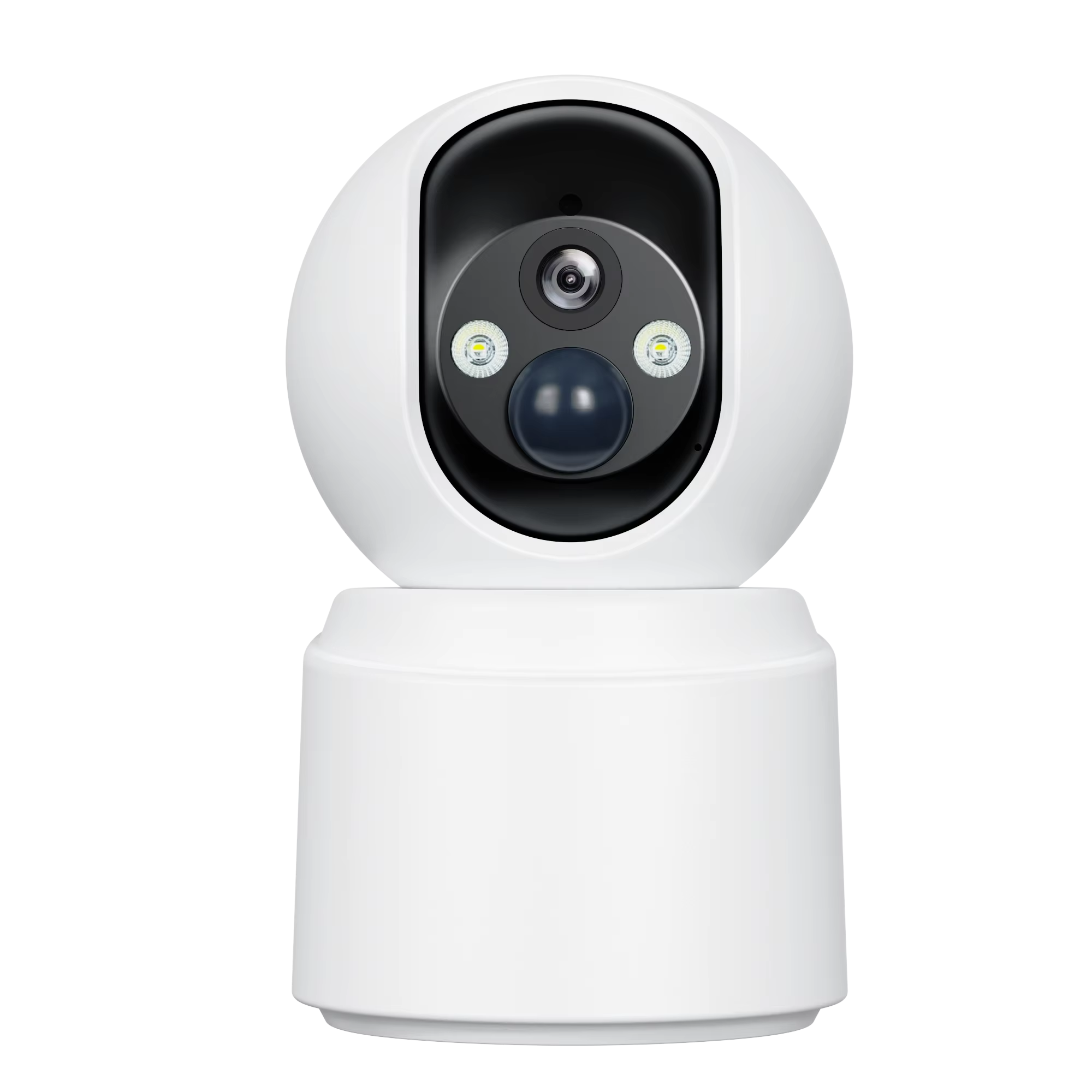
Understanding IP65 Waterproof Rating for Outdoor Cameras
For reliable outdoor security, cameras must withstand environmental hazards like dust and moisture. The IP (Ingress Protection) rating system quantifies this durability—and IP65 is the critical baseline for outdoor deployment.
What IP65 Means: Complete Dust Protection and Resistance to Low-Pressure Water Jets
IP65-rated cameras guarantee two essential protections:
- Total dust resistance: Sealed enclosures prevent particle ingress that could damage internal components or impair lens clarity.
- Water jet resilience: Withstands low-pressure water sprays (6.3mm nozzle, 12.5 L/min at 30 kPa from 3 meters), equivalent to heavy rain or brief garden hose exposure.
This dual protection ensures consistent functionality across typical outdoor conditions—from coastal humidity and windblown dust to seasonal downpours—without requiring frequent maintenance or housing upgrades.
Why IP65 Is the Minimum Recommended Standard for Reliable Outdoor Camera Performance
Cameras that don't meet at least an IP65 rating tend to break down much more frequently when exposed to actual weather conditions out there in the field. According to some industry reports we've seen, these lower-rated cameras have about 68 percent more failures when things get wet compared to their IP65 counterparts. Now, if someone is dealing with really harsh environments, going up to IP66 or even IP67 makes sense. But for the majority of homes and businesses, IP65 strikes just the right balance between how reliable they are, what they cost, and how long they last before needing replacement. The problem with cameras without this protection level is pretty straightforward. They fog up inside the lens, short out electrically, and start corroding especially bad when temperatures fluctuate or there's been extended moisture exposure. And guess what happens? Security gets compromised exactly at times when people need it most.
How Night Vision Works in Outdoor Security Cameras
Infrared vs. Starlight Sensors: Comparing Low-Light Imaging Technologies
When it comes to seeing things at night, outdoor cameras rely on either infrared (IR) tech or something called Starlight. With IR, the camera actually sends out invisible infrared light that bounces back from whatever is there, creating those black and white images we all know so well when there's absolutely no light around. But here's the catch: these IR lights eat through battery power pretty fast and sometimes end up attracting bugs to the area. On the other hand, Starlight cameras work differently by using super sensitive CMOS sensors that pick up even the tiniest bit of available light like what comes from the moon or far away street lamps. These cameras maintain colors in really dark conditions, sometimes as low as 0.001 lux. Sure, Starlight gives better color pictures during dusk hours, but they need some amount of existing light to function properly. And let's face it, if budget matters, Starlight models usually come with a price tag about 20 to 30 percent higher than regular IR systems.
| Feature | Infrared Technology | Starlight Technology |
|---|---|---|
| Image Type | Black & white only | Color possible in low light |
| Light Requirement | None (works in total dark) | Needs minimal ambient light |
| Power Consumption | Higher (due to IR emitters) | Lower |
| Best Application | Pitch-black environments | Twilight/dusk with some visibility |
Measuring Night Vision Range and Clarity: Real-World Performance from 30m to 45m
How far a camera can see at night really comes down to three main factors: how sensitive the sensor is, the size of the lens opening, and what kind of weather we're dealing with outside. Most decent quality outdoor cameras rated IP65 will generally pick out people or objects clearly from about 30 to 45 meters away when the sky is clear and there's no moisture in the air. But throw in some heavy rain, thick fog, or lots of trees around, and that visibility drops quite a bit maybe even as much as 40%. The picture quality makes a big difference too. Cameras with 4 megapixels or better can still show faces clearly at around 15 meters distance. Those older 1080p models start struggling to recognize faces past about 10 meters though. And remember what manufacturers claim about their range? That's usually based on tests done in controlled environments. What actually happens in real life depends heavily on where the camera is mounted, how those infrared lights are positioned, and whether there's any extra lighting nearby besides just looking at the specs sheet.
Top IP65-Rated Outdoor Cameras with Advanced Night Vision
Reolink Argus 4 Pro: 4K HDR, Dual-Band Wi-Fi, and 33ft Color Night Vision with Full IP65 Protection
The Reolink Argus 4 Pro stands out because it can handle tough weather conditions while still delivering excellent image quality. With an IP65 rating according to IEC 60529 standards, this camera is completely sealed against dust and can withstand water jets at low pressure levels. That means it works great outdoors all year round without needing any extra protection box or housing. The camera records stunning 4K HDR videos and connects reliably through dual band Wi-Fi signals, which stays strong even when there are other devices causing interference nearby. What really sets it apart though is the starlight sensor technology that gives color night vision up to 33 feet away (about 10 meters). This beats regular infrared systems during those tricky times when daylight fades but it's not yet dark enough for standard night mode. Tests have shown that this model actually detects things twice as well in dim lighting compared to similar cameras that only offer 1080p resolution. Plus, solar power options combined with fully encrypted cloud storage make sure everything stays secure and running smoothly over time.
Key Features to Look for in Dual-Function Outdoor Cameras: Power Options, Field of View, and Smart Alerts
When selecting IP65-rated outdoor cameras with night vision, prioritize three interdependent performance pillars:
- Power Flexibility: Solar charging or high-capacity rechargeable batteries eliminate wiring constraints and ensure uninterrupted 24/7 operation—even in remote or retrofit installations.
- 130°+ Field of View: A wide-angle lens minimizes blind spots; 130° coverage is sufficient for most driveways and entryways, reducing the need for multiple overlapping units.
- AI-Driven Alerts: Intelligent motion detection should reliably distinguish people, vehicles, and animals from irrelevant triggers (e.g., swaying branches or passing headlights), with verified false-positive rates under 5%, per the 2024 Security Tech Report.
Cameras missing any of these elements risk degraded surveillance performance precisely during high-risk conditions—such as nighttime intrusions or storm-related outages—undermining both safety and ROI.
Frequently Asked Questions
What does IP65 mean on an outdoor camera?
IP65 indicates that the camera is completely dust-tight and can withstand low-pressure water jets. This rating ensures the camera remains functional in harsh weather conditions, from heavy rain to dust storms.
How does Starlight technology improve night vision?
Starlight technology uses sensitive CMOS sensors to capture color images in low-light conditions, providing better quality visuals compared to infrared, which only captures black and white images.
Why is the IP65 rating important for outdoor cameras?
IP65 certification ensures that the camera can handle dust and water exposure, essential for maintaining reliable performance in outdoor environments, reducing the risk of damage and potential security lapses.