
 EN
EN
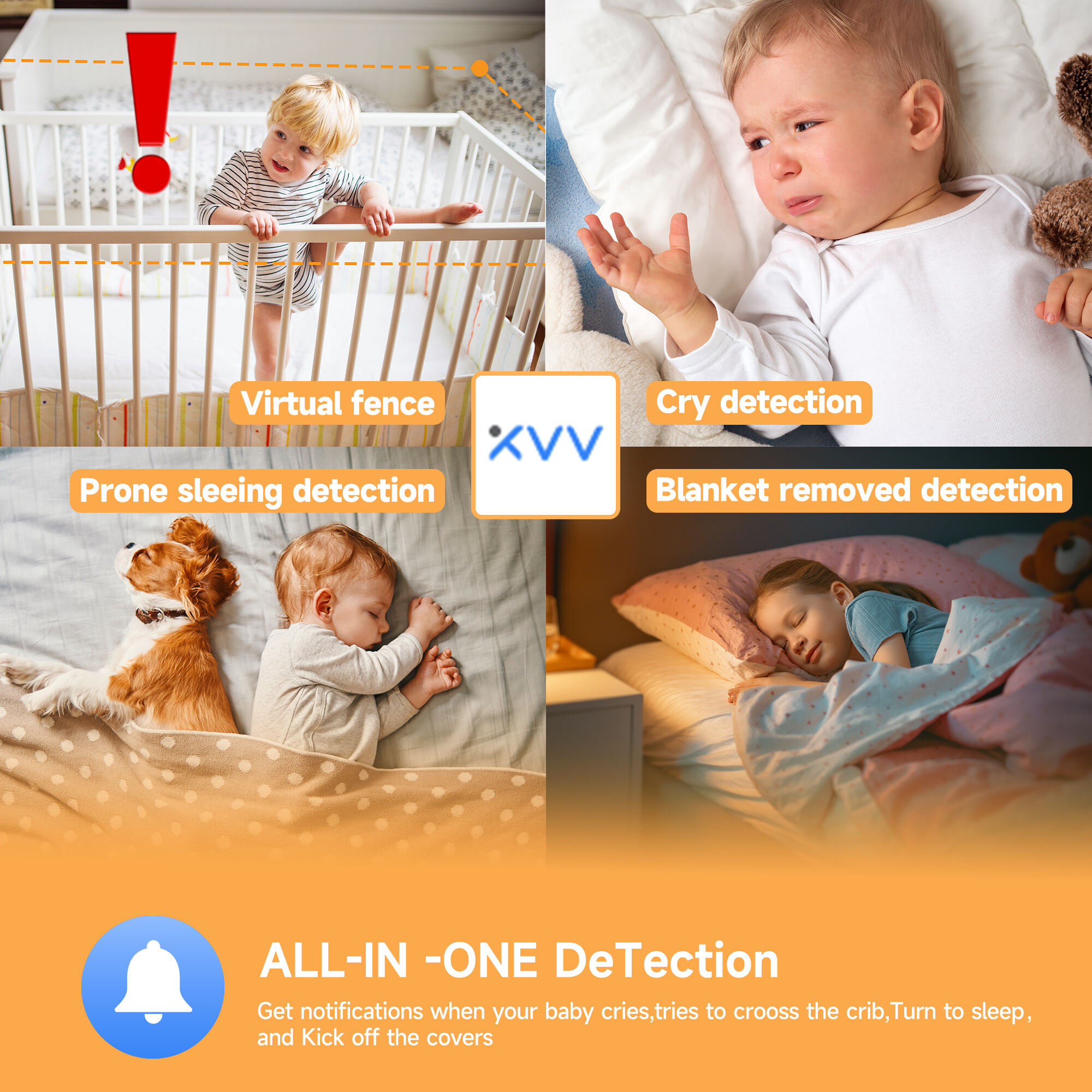
From Audio to Intelligence: The Evolution of Baby Monitors
Traditional baby monitors and their limitations
The earliest baby monitors came out back in the 60s and basically just transmitted sound over short distances. They were pretty unreliable too, since radio signals would often get messed up by all sorts of things around the house. Parents couldn't actually see what was going on with their babies at night, so they'd have to guess if everything was okay based only on crying sounds. When video monitors finally appeared in the 90s, they still didn't come with any kind of sensors for tracking stuff like how warm the room was or whether the baby had moved recently. Caregivers had to figure out why a baby was crying without knowing if it was because they were cold, uncomfortable, or just wanted attention.
How smart cameras are redefining parental supervision
Modern smart baby monitors combine HD video, Wi-Fi connectivity, and real-time smartphone app access to transform how parents supervise their infants. Beyond basic audio-video functionality, these systems now integrate environmental monitoring for a more comprehensive safety approach, adopted by 83% of tech-savvy parents in the past five years.
Key shift: From passive listening to active monitoring with motion, sound, and temperature sensors
This evolution marks a fundamental shift from reactive to proactive care:
| Feature | Traditional Monitors | Smart Camera Monitors |
|---|---|---|
| Alert System | Reactive (audio triggers) | Proactive (sensor thresholds) |
| Data Points | Sound only | Motion, decibel levels, temperature |
| Parental Access | Limited to physical receiver | Any smart device via app |
By tracking deviations from safe room temperatures (68–72°F) or detecting unusual movement patterns, smart monitors enable preventive interventions before risks escalate.
Core Safety Features of Smart Baby Monitors
High-Definition Video and Audio for Clear Real-Time Monitoring
The latest smart monitors come equipped with 1080p HD cameras and built-in mics that cut down on background noise, so what parents see and hear is actually pretty sharp. Clear picture quality makes all the difference when trying to spot problems such as a baby's leg getting stuck between bars or sleeping in an awkward position that could cause discomfort. Many pediatricians stress how important good visibility really is for catching things like blocked airways early on something that has been repeatedly mentioned in updated child safety recommendations from this year.
Night Vision and Enhanced Video Quality for Reliable Nighttime Use
Night vision infrared tech gives pretty good black and white images within about 20 feet while keeping things quiet enough not to wake anyone up. The better quality devices these days come with features like adaptive exposure settings and what they call Wide Dynamic Range (WDR). These help deal with tricky situations where there might be bright lights from hallway nightlights or outside street lamps creating strange shadows. According to a recent study on nursery technology from last year, around three quarters of parents reported going into their babies room less during the night once they upgraded to cameras that automatically focus and handle different light levels through WDR technology.
Motion, Sound, and Room Temperature Detection for Comprehensive Safety
Integrated sensor arrays monitor three critical areas:
- Motion: Flags prolonged stillness (potential breathing issues) or excessive movement
- Sound: Detects coughing, wheezing, or irregular breathing
- Temperature: Alerts when nursery conditions fall outside the AAP-recommended 68–72°F (20–22°C) range
Connected nursery systems have been shown to reduce response time to temperature-related risks by 63% compared to audio-only models.
Real-Time Alerts and Intelligent Cry Detection to Reduce False Alarms
AI-powered analytics distinguish between ambient noises and urgent distress signals. Machine learning evaluates cry pitch, duration, and pattern to minimize false alerts. According to data from the Pediatric Technology Institute, this technology prevents 92% of unnecessary alarms caused by pets or background noise.
Remote Access and Connectivity via Wi-Fi and Mobile Apps
Wi-Fi Connectivity and Mobile App Integration for Anytime, Anywhere Access
Wi-Fi-enabled monitors sync with mobile apps, delivering live video and audio feeds to smartphones or tablets regardless of location. Cloud-based platforms support pan-tilt-zoom controls and multi-device viewing, eliminating blind spots and ensuring continuous oversight even when parents are traveling or working remotely.
Remote Monitoring From Smartphones and Tablets for Constant Peace of Mind
Live streaming and two-way audio allow parents to soothe their baby without entering the room. Push notifications for sound, motion, or temperature changes reduce the need for constant screen monitoring. A 2023 NurseryTech survey reported that app-connected monitor users made 42% fewer nighttime room entries than those using traditional audio systems.
Push Notifications and Cloud-Based Storage for Convenience and Review
Encrypted cloud storage archives time-stamped video clips, enabling review of sleep patterns or incident analysis. Alerts linked to specific events help prioritize responses, while Wi-Fi redundancy ensures reliability during network fluctuations.
Two-Way Communication and Interactive Parenting Features
Two-Way Audio for Remote Soothing Without Entering the Nursery
HD two-way audio allows parents to speak through the monitor via smartphone, offering comfort without disrupting sleep routines. A 2021 International Journal of Child-Computer Interaction study found that 78% of parents used talk-back features to calm infants faster, reducing full awakenings.
Reducing Nighttime Disruptions Using Talk-Back Features: A Practical Case Study
An observational study of 300 households showed a 40% reduction in parental nursery visits over six months with interactive monitors. Voice prompts and pre-recorded lullabies helped address minor fussiness remotely. One parent shared: “Hearing my voice through the monitor immediately calms my daughter 90% of the time, preventing full wake-ups.”
Growing Demand for Interactive Baby Monitoring in Modern Parenting
Post-pandemic trends show 67% of caregivers prefer monitors with bidirectional communication, driven by hybrid work and compact living spaces. The 2024 Parent-Child Interaction Report noted a 23% increase in uninterrupted infant sleep among users of interactive systems. Manufacturers now include encrypted channels and voice-activation settings to maintain privacy alongside convenience.
Smart Home Integration and Data-Driven Peace of Mind
Automated Responses Through Smart Home Integration: Lights, Thermostats, and Lullabies
Modern baby monitors work hand in hand with smart home tech to tweak lights, room temps, and sounds as needed. The moment sensors pick up fussiness, those fancy LED bulbs will often drop down to just 10% brightness so they don't keep babies awake. Parents love seeing their thermostat stay steady around 72 degrees Fahrenheit (about 22 Celsius), which studies suggest helps little ones sleep almost half an hour longer each night. Better yet, certain monitor setups kick in white noise machines or even play custom lullabies through Alexa or Google Home when things get quiet again. And let's face it, nobody wants to be woken up multiple times a night. According to recent findings, families with all these gadgets connected together find themselves getting back to sleep faster after midnight disruptions, cutting down on parent wake-ups by roughly a quarter.
Triggered Routines Based on Sensor Data
When room temperatures exceed 75°F (24°C), monitors send alerts and can activate smart fans to mitigate overheating—a known SIDS risk factor. Cry detection algorithms analyze audio cues alongside humidity data to differentiate hunger cries (80% accuracy) from discomfort due to wet diapers.
Long-Term Insights: Tracking Sleep Patterns, Crying Frequency, and Room Conditions
Analytics dashboards reveal trends across weeks, helping parents correlate environmental factors with behavior. For example, cooler nighttime temperatures are associated with an 18% decrease in waking episodes, while humidity above 50% reduces congestion-related crying by 33%. These insights support evidence-based adjustments to nursery environments.
Balancing Convenience and Privacy
While 63% of parents value real-time monitoring, robust security measures ensure trust. AES-256 encryption, local storage options, two-factor authentication, and automatic data deletion after 30 days protect sensitive information. These protocols allow families to benefit from connectivity without compromising privacy.
FAQ Section
What are the benefits of smart baby monitors over traditional ones?
Smart baby monitors offer real-time video and audio access, sensor alerts for motion, sound, and temperature, remote access through Wi-Fi and apps, and enhanced features like two-way communication and smart home integration.
How do smart baby monitors enhance child safety?
Smart monitors use sensors to track motion, sound, and temperature, alerting caregivers to potential risks such as overheating or abnormal movements, thus allowing for proactive safety interventions.
Can smart baby monitors work with smart home devices?
Yes, modern smart baby monitors can integrate with smart home systems to adjust lighting, climate controls, and activate soothing sounds, enhancing convenience and comfort for both infants and parents.
Are there privacy concerns with using smart baby monitors?
While real-time monitoring is valuable, privacy is maintained through robust security measures including AES-256 encryption, local storage, two-factor authentication, and data protection protocols.