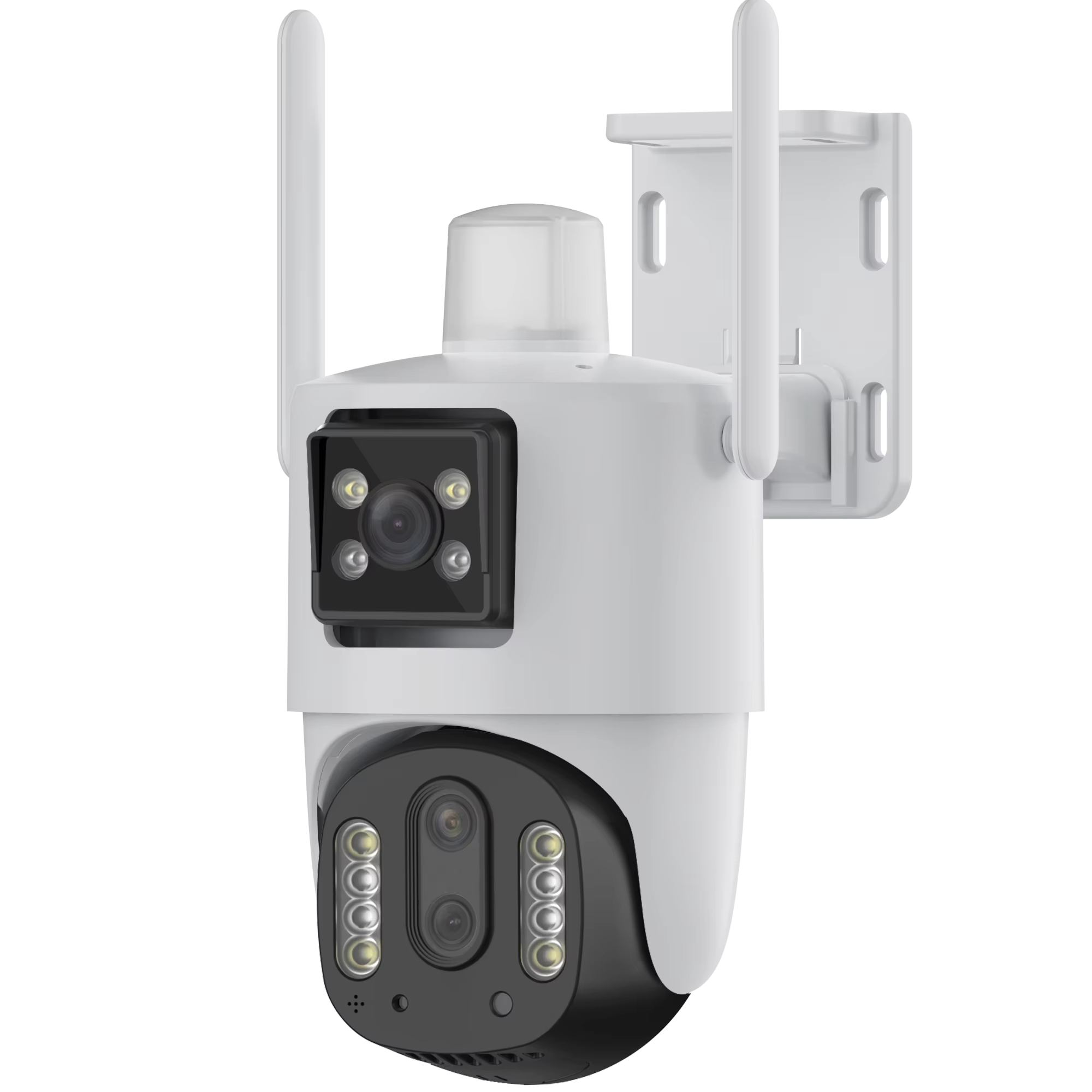
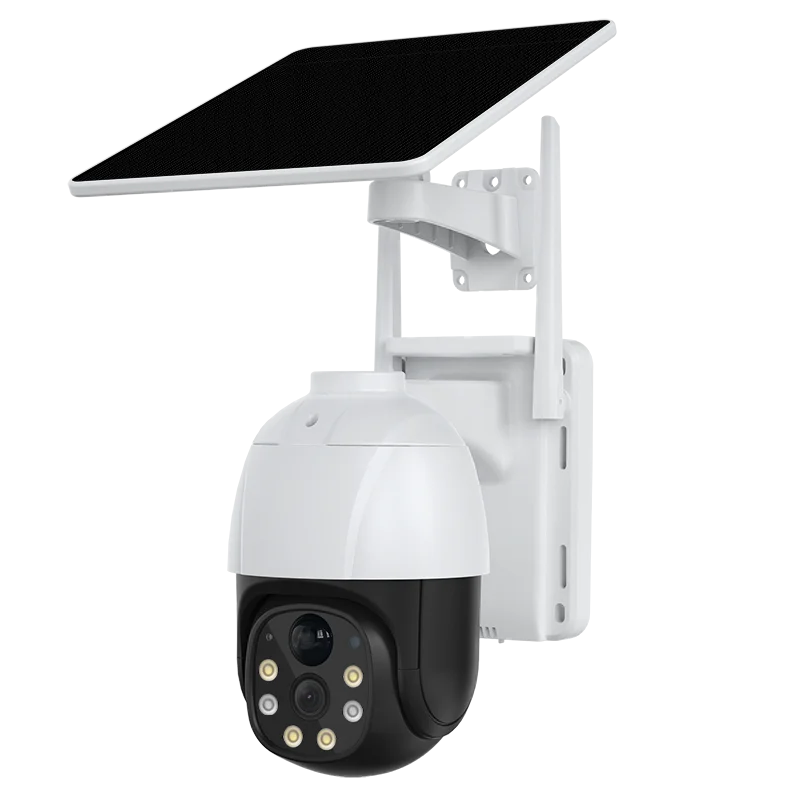
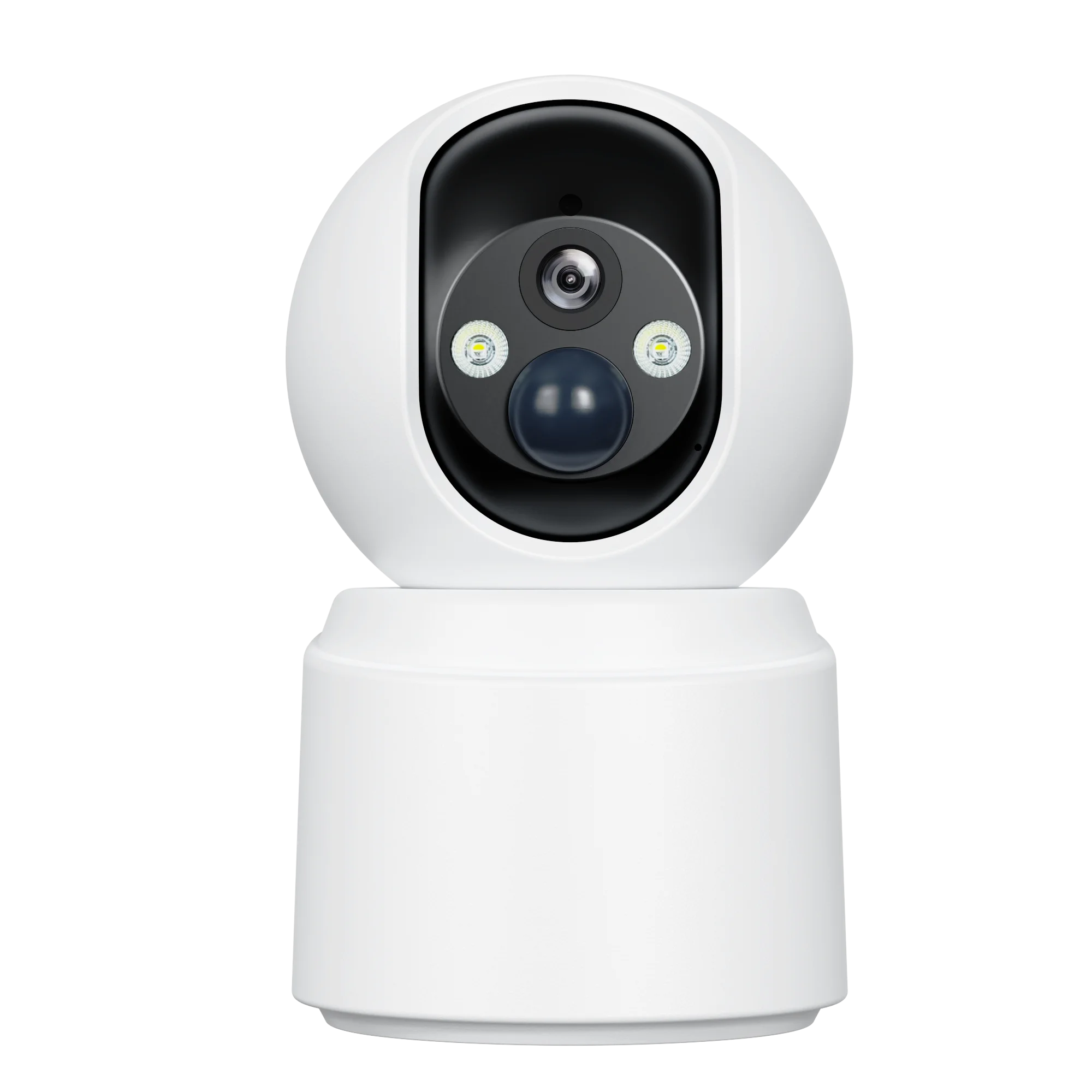
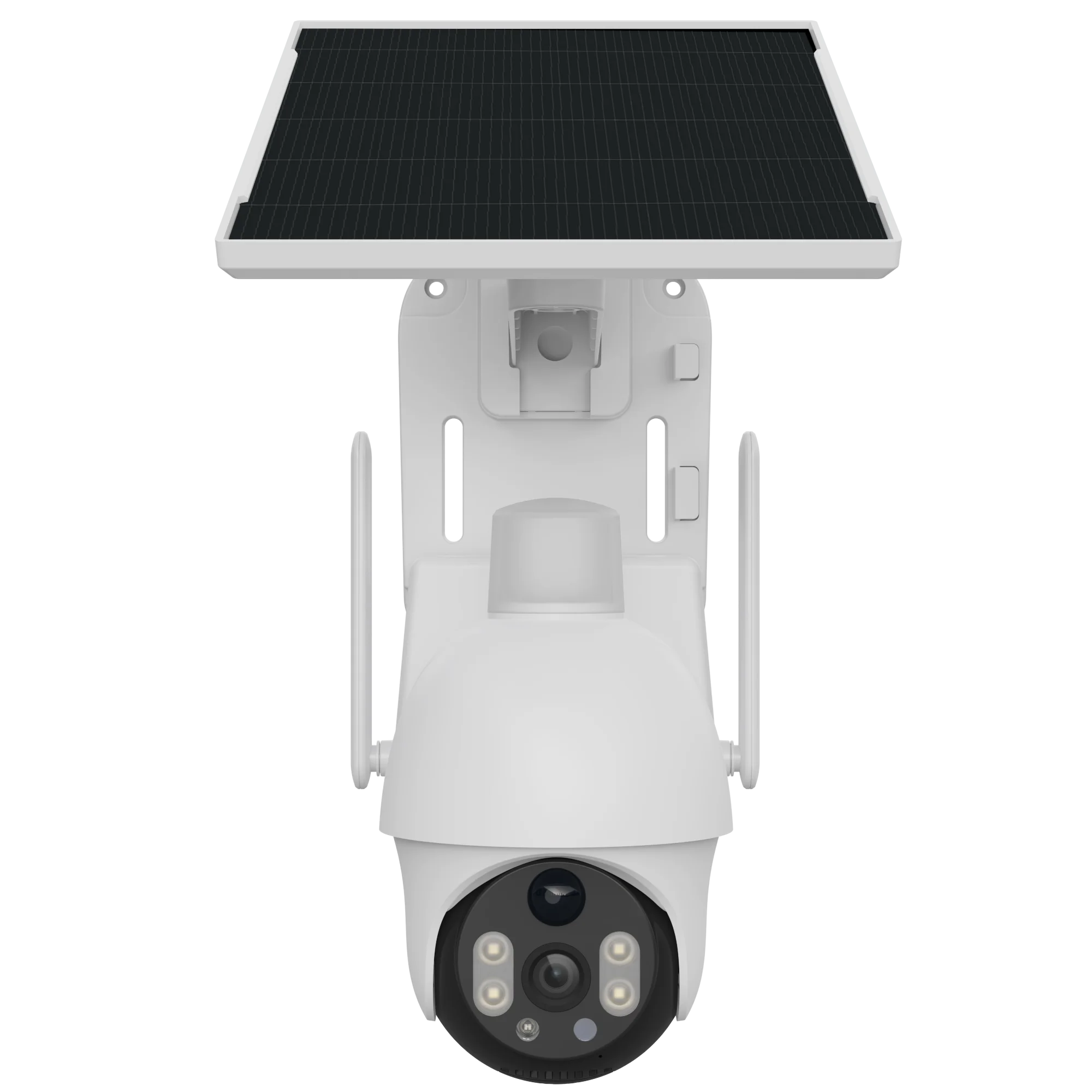
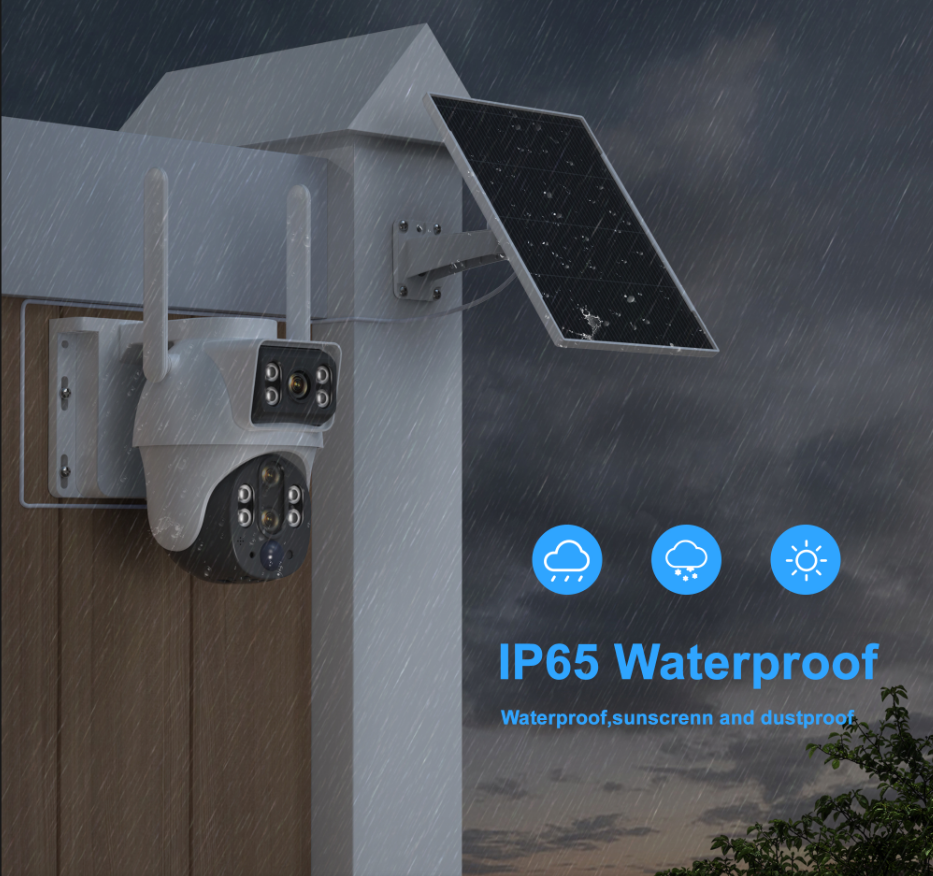
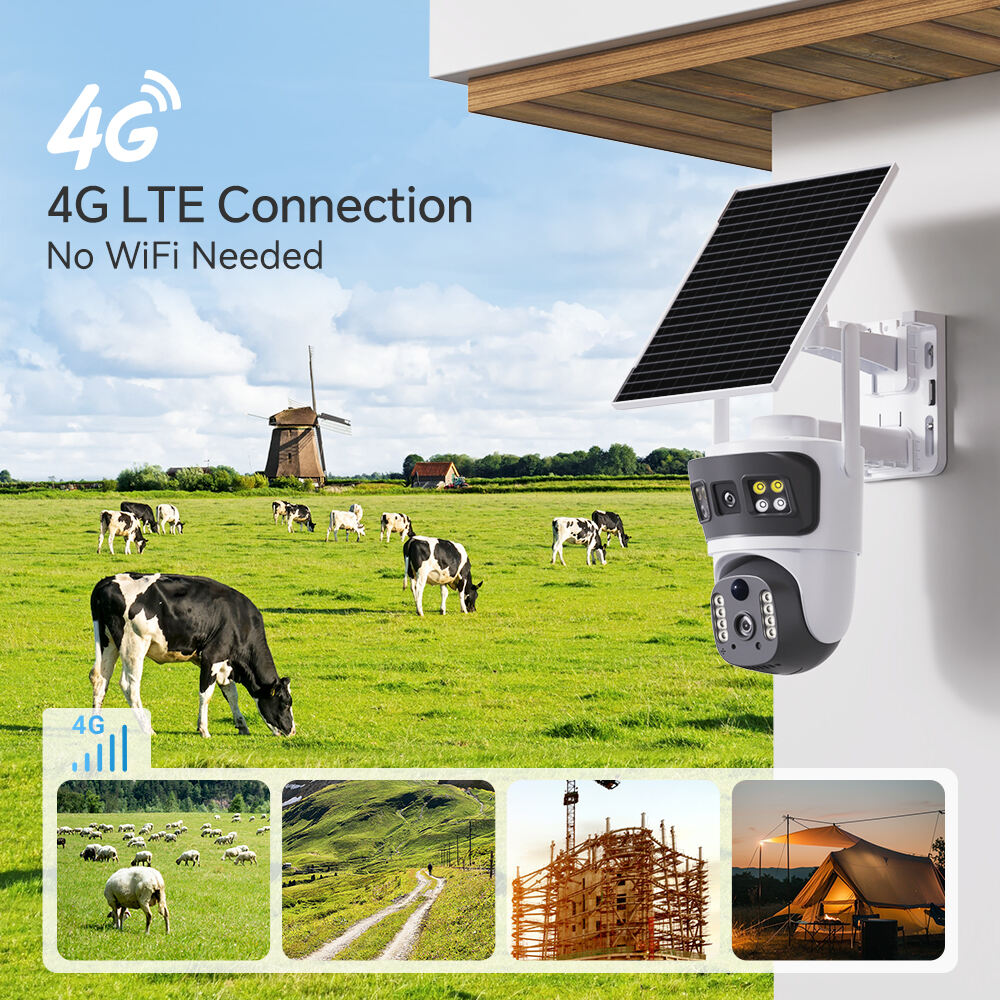
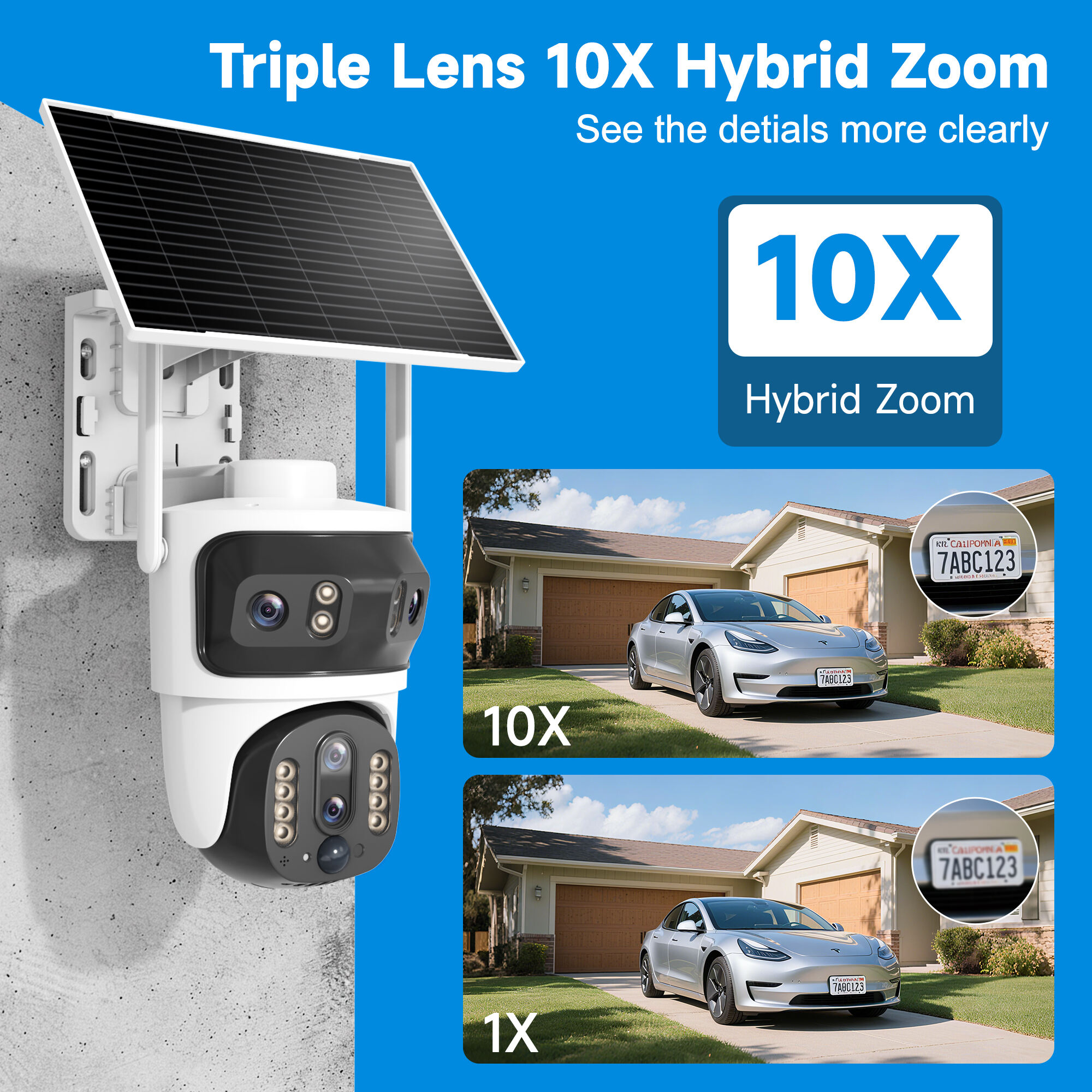
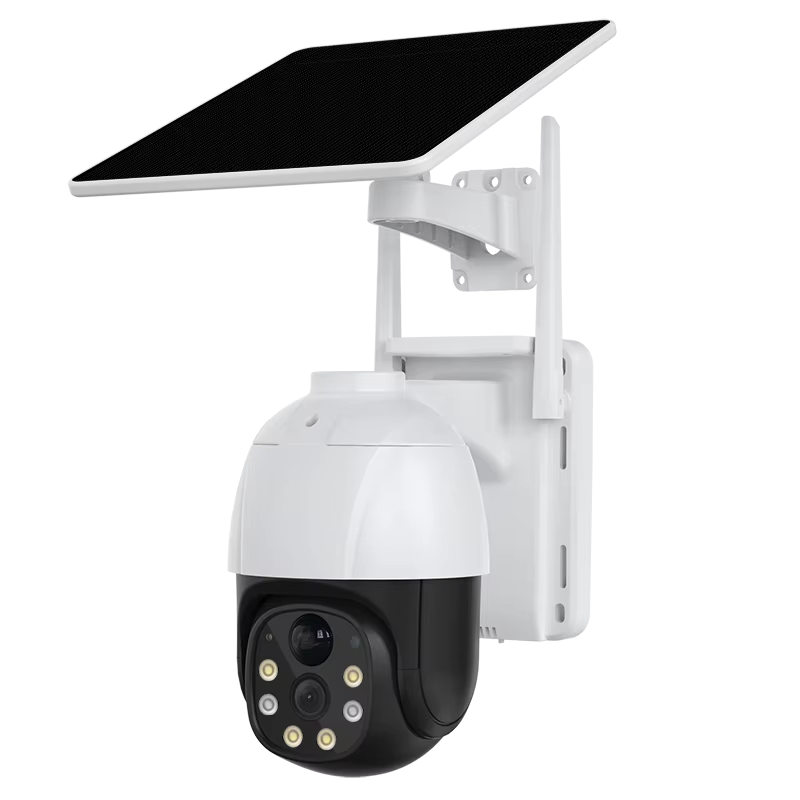
The 4G solar camera stands as a testament to innovation in the security industry, addressing the critical need for surveillance in areas devoid of conventional utilities. Its design philosophy centers on complete autonomy: a high-efficiency solar panel powers the entire system, while a 4G module handles all data communication. This combination allows for installation in the most remote locations—from mountain cabins and desert perimeters to coastal properties and forest boundaries. The applications are boundless. Utility companies use them to secure substations in isolated areas; conservation groups employ them for anti-poaching surveillance in game reserves; and private individuals install them on boats, RVs, or undeveloped land plots. The camera typically boasts full HD or higher resolution, infrared LEDs for night vision up to a certain distance, and a rugged housing rated against dust and water ingress. Many models support microSD cards for local storage backup and offer cloud storage subscriptions for redundant data security. A key advantage is the ease of installation; since no electrical trenches or network cables are needed, setup is quick and cost-effective. However, successful deployment requires careful planning. The solar panel must be positioned to receive maximum sunlight throughout the day, and the 4G antenna should be oriented for the strongest signal. Factors like seasonal shading from trees or buildings and local weather patterns affecting solar gain must be considered. We strongly recommend consulting with our specialists to navigate these variables. By contacting us, you can receive expert advice on the most suitable model based on your geographic location, specific security concerns, and desired functionalities such as pan-tilt-zoom (PTZ) capabilities or integration with larger alarm systems. Our team is ready to assist you in creating a resilient, standalone security solution that operates reliably year-round.